
Lathe
Articles
Search titles and section headings in this topic.
No matching questions
Try a machine type, material or machining problem.
Why Does Surface Finish Get Worse Near the Center When Facing on a CNC Lathe?
2026-11-05
<h2>Why Does Cutting Speed Fall Near the Center Even with Constant Surface Speed Active?</h2><h2>How Can You Check Whether the Rough Area Begins Where the Spindle Reaches Its RPM Limit?</h2><h2>How Does Feed per Revolution Differ from Feed per Minute During Facing?</h2><h2>How Should Surface Finish Be Compared at the Outer Diameter, Mid-Radius, and Center?</h2><h2>Conclusion</h2>
Lathe
Why Does Surface Finish Get Worse Near the Center When Facing on CNC Lathe?
2026-11-04
<h2>Why Does Cutting Speed Fall Near the Center Even with Constant Surface Speed Active?</h2><h2>How Can You Check Whether the Rough Area Begins Where the Spindle Reaches Its RPM Limit?</h2><h2>How Does Feed per Revolution Differ from Feed per Minute During Facing?</h2><h2>How Should Surface Finish Be Compared at the Outer Diameter, Mid-Radius, and Center?</h2><h2>Conclusion</h2>
Lathe
What Causes Chips to Accumulate Around the Chuck?
2026-10-14
<h2>What Can Chip Shape Tell You About a Turning Operation?</h2><h2>How Do Feed and Depth of Cut Affect Chip Breaking?</h2><h2>Why Do Long Chips Wrap Around the Tool or Workpiece?</h2><h2>How Can Coolant Direction Help Clear the Cutting Zone?</h2><h2>Conclusion</h2>
Lathe
How to Specify Chuck Diameter Against Maximum Spindle RPM on CNC Lathe?
2026-09-16
<h2>What Is the Difference Between Spindle Nameplate RPM and the Chuck’s Rated Safe Speed?</h2><h2>Why Does a Larger Chuck Lower the Usable RPM Even if the Spindle Can Spin Faster?</h2><h2>How Should Jaw Mass and Counterweights Be Counted Inside the Chuck Speed Rating?</h2><h2>Why Can a Brochure “5000 r/min Spindle” Still Be Capped at a Much Lower Chuck Speed?</h2><h2>Conclusion</h2>
Lathe
How to Choose Between Collet Chuck and 3-Jaw Chuck for Bar Turning?
2026-09-02
<h2>What Are the Differences in Gripping Contact Between Collet Chuck and 3-Jaw Chuck?</h2><h2>Why Does Collet Chuck Usually Run More Concentric on Drawn Bar Stock?</h2><h2>How Does Collet Capacity Limit the Bar Diameter Range Compared with 3-Jaw Chuck?</h2><h2>What Happens to Bar Push-Out Force When Collet Grip Length is Too Short?</h2><h2>Conclusion</h2>
Lathe
What Are the Advantages of a Sleeve-Type Spindle in CNC Turn-Mill Center?
2026-08-26
<h2>Why Can It Achieve Excellent Machining Accuracy and Concentricity?</h2><h2>Why Can the Sleeve-Type Spindle Maintain Excellent Vibration Resistance Against Impact Loads During Complex Machining?</h2><h2>How Does the Sleeve-Type Spindle Suppress the Influence of Thermal Deformation on Accuracy?</h2><h2>How Does the Sleeve-Type Spindle Reduce Subsequent Maintenance Costs?</h2><h2>Conclusion</h2>
Lathe
Why Is a B-Axis Swiss Lathe Essential for Manufacturing Complex Medical Bone Screws and Implants?
2026-08-19
<h2>What Is the Function of the B-Axis on a Swiss-Type Lathe?</h2><h2>Can the B-Axis Perform Operations on Both the Main Spindle and the Sub-Spindle?</h2><h2>How Does the B-Axis Eliminate the Need for Costly Angled Live Tool Attachments?</h2><h2>What Level of Precision Can Swiss-Type Lathe Achieve with the B-Axis Functionality?</h2><h2>Conclusion</h2>
Lathe
What Is the Function of the Guide Bushing in a CNC Swiss-Type Lathe?
2026-08-13
<h2>What Are the Different Types of Guide Bushings for CNC Swiss-Type Lathes?</h2><h2>What Are the Advantages and Disadvantages of the Three Types of Guide Bushings for CNC Swiss-Type Lathes?</h2><h2>What Kind of Workpieces Are Each of the Three Types of Guide Bushings Suitable For?</h2><h2>How Should the Daily Maintenance for Each of the Three Guide Bushings Be Performed?</h2><h2>Conclusion</h2>
Lathe
What Are the Characteristics of a Dual-Spindle Swiss-Type Lathe?
2026-07-02
<h2>How Do Dual Spindles Collaborate to Complete Complex Front and Back Machining in One Setup?</h2><h2>How Much Can a Dual-Spindle Swiss-Type Lathe Shorten the Machining Time of a Workpiece?</h2><h2>What Level of Precision Can a Dual-Spindle Swiss-Type Lathe Achieve?</h2><h2>What Industries and Complex Parts Benefit Most from Dual-Spindle Swiss Machining?</h2><h2>Conclusion</h2>
Lathe
What Are the Effects of Vibration During Machining on a Slant-Bed CNC Lathe?
2026-06-24
<h2>What Kinds of Vibrations Occur During the Machining of Slant-Bed CNC Lathes?</h2><h2>Does Improper Machine Leveling and Foundation Setup Cause Unexpected Resonance?</h2><h2>How Do Worn Spindle Bearings and Loose Ballscrews Trigger Machining Vibration over Time?</h2><h2>How to Deal with Vibration in Slant-Bed CNC Lathes During Machining?</h2><h2>Conclusion</h2>
Lathe
Is Faster Spindle Speed Always Better on CNC Lathe?
2026-05-07
<h2>Why Is High-Torque More Important Than High-RPM for Heavy-Duty Turning?</h2><h2>How Should You Determine the Optimal Spindle Speed for Different Workpiece Materials?</h2><h2>Does Increasing Spindle Speed Lead to Faster Tool Wear and Increased Consumable Costs?</h2><h2>How to Balance Spindle Speed and Feed Rate for Maximum Machining Efficiency?</h2><h2>Conclusion</h2>
Lathe
What Kind of Guide Rail Is More Suitable for Heavy-Duty Lathe?
2026-04-30
<h2>What Are the Primary Differences Between Linear Rails and Hard Rails for Lathes?</h2><h2>Why Are Hard Rail Traditionally Considered the Standard for Heavy-Duty Turning?</h2><h2>How Do Hard Rails Improve Vibration Damping During Large-Diameter Interrupted Cutting?</h2><h2>What Kinds of Workpieces Are Suitable for Heavy-Duty Turning?</h2><h2>Conclusion</h2>
Lathe
How to Choose Between Pneumatic Chuck and Hydraulic Chuck for CNC Lathe?
2026-04-22
<h2>What Are the Differences in Clamping Force Between Pneumatic and Hydraulic Chucks?</h2><h2>Why Is a Pneumatic Chuck More Efficient Than a Hydraulic Chuck for High-Volume Production Line?</h2><h2>Which Chucking System Offers Better Precision and Repeatability for High-Accuracy CNC Turning?</h2><h2>What Are the Differences in Maintenance Requirements Between Hydraulic and Pneumatic Chucks?</h2><h2>Conclusion</h2>
Lathe
What Does the Anti-Retreat Function of the Tailstock Do on a CNC Lathe?
2026-04-09
<h2>How Does an Anti-Retreat Mechanism Work to Counteract Heavy Cutting Forces in Industrial Machining?</h2><h2>Why Does the Anti-Retreat Function Protect the Machine Spindle and Turret from Damage?</h2><h2>What Distinguishes a Programmable Tailstock with Anti-Retreat from a Traditional Manual Tailstock?</h2><h2>Is Anti-Retreat Feature Needed on Machining Hardened Steel Materials?</h2><h2>Conclusion</h2>
Lathe
How to Choose Between Servo and Power Turret for CNC Lathe?
2026-04-03
<h2>What are the Primary Functional Differences Between a Servo Turret and a Power Turret?</h2><h2>How Does the Indexing Speed of a Servo Turret Compare to a Power Turret in High-Volume Production?</h2><h2>What are the Rigidity and Loading Capacity Differences Between These Two Turret Types?</h2><h2>How Does Your Choice of Turret Affect the Maintenance Costs and Long-Term Reliability of Your CNC Lathe?</h2><h2>Conclusion</h2>
Lathe
Why Is the Spindle Speed of a Slant Bed CNC Lathe Higher Than That of a Flat Bed?
2026-03-18
<h2>How Does the One-Piece Casting of a Slant Bed Lathe Reduce High-Speed Vibration?</h2><h2>How Does the Distribution of Cutting Forces in a Slant Bed Design Prevent Chatter at High RPMs?</h2><h2>What Role Does Gravity-Assisted Chip Removal Play in Maintaining High Spindle Speeds?</h2><h2>Why Does a Slant Bed Lathe Handle Centrifugal Forces Better During Rapid Rotation?</h2><h2>Conclusion</h2>
Lathe
How to Choose Between Hard Turning and Normal Cylindrical Grinding?
2026-01-28
<h2>What Is the Difference in Material Removal Mechanism Between Hard Turning and Grinding?</h2><h2>Why Is Hard Turning Often More Cost-Effective for Small Batch Production?</h2><h2>How Do Surface Finish and Tolerance Capabilities Compare Between Hard Turning and Grinding?</h2><h2>How to Determine If Your Workpiece Geometry Favors Turning or Grinding?</h2><h2>Conclusion</h2>
Lathe
How to Choose Between Dead Center and Live Center for Lathe?
2025-12-18
<h2>What are the Primary Functional Differences Between a Dead Center and a Live Center?</h2><h2>What are the Risks of Thermal Expansion and Friction When Using a Dead Center?</h2><h2>Why Choose Live Center Over Dead Center On CNC Lathe?</h2><h2>What is the Impact of Workpiece Weight on the Lifespan of Live Center Bearings?</h2><h2>Conclusion</h2>
Lathe
When is a Steady Rest Required on a CNC Lathe?
2025-12-17
<h2>What is a Steady Rest?</h2><h2>When Should You Choose a Steady Rest Over a Tailstock for Support?</h2><h2>Can Using a Steady Rest Directly Improve the Surface Finish and Dimensional Accuracy of Long Shafts?</h2><h2>How Can Improper Setup or Alignment of a Steady Rest Damage the Part?</h2><h2>Conclusion</h2>
Lathe
How to Choose Between Hard or Soft Jaw Chuck for a CNC Lathe?
2025-12-01
<h2>What Materials are Soft Jaw Chucks and Hard Jaw Chucks Made of?</h2><h2>Why Are Hard Jaws the Default Choice for First-Operation Roughing of Raw Stock?</h2><h2>What Jaw Type Offers More Versatility for Gripping Irregularly Shaped or Cast Parts?</h2><h2>Why Can You Prevent Surface Marring and Part Deformation by Using Soft Jaws?</h2><h2>Conclusion</h2>
Lathe
What Are the Differences Between Belt-Driven and Gearbox Spindles in a CNC Lathe?
2025-11-18
<h2>How Do the Power Transmission Mechanisms Differ Between Belt-Driven and Gearbox Spindles?</h2><h2>What Spindle Type Delivers Superior Torque for Heavy-Duty Cutting on Hard Metals?</h2><h2>How Do Belt-Driven and Gearbox Spindles Compare in Terms of Noise, Heat, and Vibration?</h2><h2>What are the Long-Term Maintenance Requirements and Costs Associated with Each Spindle Type?</h2><h2>Conclusion</h2>
Lathe
How to Choose Between a 3-Jaw and 4-Jaw Chuck for a CNC Lathe?
2025-11-14
<h2>What Are the Core Mechanical Differences Between a 3-Jaw and a 4-Jaw Chuck?</h2><h2>Why is a 3-Jaw Chuck the Standard for High-Speed, Repetitive Production of Round Parts?</h2><h2>Why is a 4-Jaw Chuck Essential for Machining Square, Rectangular, or Irregularly Shaped Workpieces?</h2><h2>What are the Differences in Setup Time and Operator Skill Required for Each Chuck Type?</h2><h2>Conclusion</h2>
Lathe
How to Choose Between a True and an Interpolated Y-axis on a Turn-Mill Center?
2025-11-13
<h2>What is the Core Mechanical Difference Between a True Y-axis and an Interpolated Y-axis?</h2><h2>How Does a True Y-axis Affect the Rigidity and Heavy-Cutting Capability of a Turn-Mill Center?</h2><h2>What Machining Tasks Can Be Effectively Completed Using Interpolated Y-axis Instead of True Y-axis?</h2><h2>What are the Differences in Maintenance and Reliability Between These Two Y-axis Designs?</h2><h2>Conclusion</h2>
Lathe
How to Choose Between VDI and BMT Turret for a CNC Lathe?
2025-10-28
<h2>What is the Core Mechanical Difference in How VDI and BMT Holders Mount to a Turret?</h2><h2>Why is a BMT Turret Superior for Heavy-Duty Cutting and Interrupted Cuts?</h2><h2>When Does the Quick-Change Capability of VDI Make it the Smarter Choice for a Workshop?</h2><h2>What Are the Differences in the Cost and Availability of VDI and BMT Tool Holders?</h2><h2>Conclusion</h2>
Lathe
How to Choose Between a Single and Rotary Tool Post for a CNC Lathe?
2025-10-27
<h2>What Tool Post Can You Choose When More Tools Are Required?</h2><h2>When Should You Choose Gang Tooling Over a Rotary Turret?</h2><h2>Which Tooling System Offers the Best Rigidity for Heavy Cutting and Tight Tolerances?</h2><h2>How Does the Choice of Tooling System Influence the CNC Lathe’s Overall Size and Work Envelope?</h2><h2>Conclusion</h2>
Lathe
What are the Differences Between a Swiss Lathe and a Turn-mill Center?
2025-09-16
<h2>What is the Key Difference Between a Guide Bushing and a B-axis Spindle?</h2><h2>Why is a Swiss Lathe Ideal for Long, Slender Parts with High Length-to-Diameter Ratios?</h2><h2>What Programming and Operator Skills Differ Between Swiss Machines and Multi-axis Turn-mills?</h2><h2>How Should Part Geometry, Size, and Volume Guide Your Choice Between a Swiss Lathe and a Turn-mill?</h2><h2>Conclusion</h2>
Lathe
What is an Escomatic Lathe?
2025-09-05
<h2>How Does an Escomatic Lathe Fundamentally Differ from a Swiss-type CNC Lathe?</h2><h2>When Should a Manufacturer Choose an Escomatic Lathe Over a Swiss-Type CNC Lathe for Small, Precision Parts?</h2><h2>What are the Major Advantages of Using Coil Stock Instead of Bar Stock for High-Volume Production?</h2><h2>What Industries Rely on Escomatic Lathes for Manufacturing their Small, Intricate Components?</h2><h2>Conclusion</h2>
Lathe
What is a Dual Spindle CNC Lathe?
2025-09-01
<h2>How Does a Sub-spindle Differ From a Main Spindle In Function?</h2><h2>What Are The Productivity Advantages of a Dual Spindle lathe over Standard CNC Lathes?</h2><h2>How Can a Dual Spindle Lathe Reduce Cycle Time and Cost-per-part in Production?</h2><h2>What Industries and Applications Benefit Most from Dual Spindle CNC Lathe Capabilities?</h2><h2>Conclusion</h2>
Lathe
What are the Advantages of a Swiss Type Lathe?
2025-07-31
<h2>How do Swiss-type Lathes Reduce Waste and Improve Bar Stock Utilization?</h2><h2>What Mechanism Ensures Concentricity in Swiss-type Lathe Machining?</h2><h2>How do Swiss-type Lathes Maintain Perpendicularity During Machining?</h2><h2>How does a Swiss-type Lathe Improve Accuracy and Efficiency over Traditional Lathes?</h2><h2>Conclusion</h2>
Lathe
What is a Swiss-type Lathe?
2025-07-30
<h2>How Does a Swiss-type Lathe Differ from a Conventional CNC lathe?</h2><h2>How Does the Sliding Headstock Change the Swiss-type Machining process?</h2><h2>Why is the Guide Bushing Critical for Machining long, Slender Parts Precisely?</h2><h2>What Industries Benefit Most from Swiss-type Machining Capabilities?</h2><h2>Conclusion</h2>
Lathe
What Are Structural and Mechanical Differences of Heavy-Duty and Standard CNC lathes?
2025-05-29
<h2>How Do Spindle Power and Torque Differ, Impacting Heavy-Duty and Standard CNC Lathes?</h2><h2>How Do Heavy-Duty CNC Lathe Bed and Guide Ways Enhance Rigidity and Dampen Vibration?</h2><h2>What Are the Unique Maintenance and Operational Requirements for Heavy-Duty CNC lathes?</h2><h2>When Should You Invest in a Heavy-Duty CNC Lathe Instead of a Standard CNC Lathe?</h2><h2>Conclusion</h2>
Lathe
What to Know About Lathe Accuracy, Speed, and Controls Before Your Lathe Investment?
2025-05-23
<h2>What Specific Surface Finish (Ra) Do Your Workpieces Require?</h2><h2>What Feed Rates Best Suit Your Specific CNC Turning Requirements?</h2><h2>What Specific Turret Capabilities Do Your Typical Parts Require?</h2><h2>How to Choose a Suitable CNC System for Your New CNC Lathe?</h2><h2>Conclusion</h2>
Lathe
What Should You Know About Spindle and Feed Systems before Purchasing a CNC Lathe?
2025-05-22
<h2>How to Choose Right Spindle Specs for Peak Efficiency?</h2><h2>Why do X/Z Axis Specs Affect CNC Productivity and Accuracy?</h2><h2>Why is Guideway Choice Vital for CNC Stability and Durability?</h2><h2>How to select spindle nose and ensure good bearing lubrication?</h2><h2>Conclusion</h2>
Lathe
What Workpiece Features Affect CNC Lathe Selection?
2025-05-21
<h2>What is the Importance of Considering the Max Swing Diameter?</h2><h2>How Does the Max Turning Diameter Impact Your Machining Capability?</h2><h2>Is the Max Turning Length Sufficient for Your Workpiece Requirements?</h2><h2>What Type of Parts—Discs, Short Shafts, or Slender Shafts—Do You Primarily Machine?</h2><h2>Conclusion</h2>
Lathe
Why Is Staged Infeed Often Used on CNC Lathes?
2025-05-15
<h2>Why Does Staged Infeed Become Crucial for Maintaining Tight Tolerances on Difficult-to-Machine Parts in CNC Lathing?</h2><h2>How Can Staged Infeed on a CNC Lathe Contribute to Extended Spindle Bearing and Turret Component Life by Reducing Machining Stresses?</h2><h2>Are There Specific Types of CNC Lathe Tooling or Insert Geometries That Perform Optimally with Staged Infeed Strategies?</h2><h2>Why Should Staged Infeed Be Considered a Primary Machining Strategy?</h2><h2>Conclusion</h2>
Lathe
Why are Chatter Marks Appearing on The Surface of CNC-Turning Workpieces?
2025-05-14
<h2>How Does CNC Lathe Rigidity and Damping Affect Chatter Formation?</h2><h2>What Role Does Tool Selection and Geometry Play in Preventing CNC Turning Chatter?</h2><h2>How Do Cutting Parameters Influence Vibration and Chatter in CNC Turning?</h2><h2>Are Worn Spindle Bearings or Guide Ways in a CNC Lathe a Potential Source of Chatter?</h2><h2>Conclusion</h2>
Lathe
Why Do Most CNC Lathes Not Need Coolant for Turning Tasks?
2025-05-07
<h2>What Specific Turning Conditions or Materials is Coolant Absolutely Essential on a CNC Lathe?</h2><h2>How Do Cutting Speeds, Feeds, and Depth of Cut Influence the Decision to Use or Forgo Coolant in CNC Turning?</h2><h2>Do Specific Types of CNC Lathe Cutting Tool Materials Perform Better in Dry Turning Applications?</h2><h2>Are There Effective Alternatives to Traditional Flood Coolant for CNC Lathe Operations?</h2><h2>Conclusion</h2>
Lathe
What Makes CNC Turn-Mill Machines More Capable Than Standard CNC Lathes?
2025-04-28
<h2>Why is ‘Live Tooling’ the Defining Feature of a CNC Turn-Mill Center?</h2><h2>How Can Machining Complex Parts in One Clamping on a Turn-Mill Improve Overall Accuracy Compared to Multiple Setups?</h2><h2>What is the Significance of the Y-axis Capability Commonly Found on Turn-Mill Machines?</h2><h2>What Complex Machining Operations Can a Turn-Mill Perform beyond Basic Turning and Milling?</h2><h2>Conclusion</h2>
Lathe
What Does a Tailstock on a CNC Lathe Do in Machining?
2025-04-22
<h2>Can Using the Tailstock Improve the Accuracy and Surface Finish of Machined Parts?</h2><h2>What is the Difference Between Using a Live Center and a Dead Center Within the Tailstock?</h2><h2>How Does Proper Tailstock Alignment and Pressure Affect Machining Outcomes?</h2><h2>How Do You Adjust the Tailstock Position Properly?</h2><h2>Conclusion</h2>
Lathe
Which Turret Type Generally Offers Higher Indexing Accuracy and Repeatability: Hydraulic or Servo?
2025-04-14
<h2>How Does the Actuation Mechanism Differ Between Hydraulic and Servo Turrets on a CNC Lathe?</h2><h2>What Are the Typical Indexing Speed Differences Between Hydraulic and Servo Turrets?</h2><h2>Is There a Significant Difference in Energy Consumption Between Hydraulic and Servo Turret Systems?</h2><h2>How Do Hydraulic and Servo Turrets Compare in Terms of Initial Cost and Long-Term Operating Expenses?</h2><h2>Conclusion</h2>
Lathe
Why a 45° Slant Bed CNC Lathe Is Preferred for Heavy-Duty Cutting Operations?
2025-04-11
<h2>What are the Advantages of Choosing a 30° Slant Bed CNC Lathe better than 45° for General Machining?</h2><h2>How Does the Slant Angle (30° vs 45°) Influence Chip Evacuation and Coolant Flow?</h2><h2>Does the Bed Angle Affect the Overall Rigidity and Vibration Dampening of a Slant Bed Lathe?</h2><h2>Beyond 30° and 45°, Are There Other Common Slant Bed Angles and What Are Their Use Cases?</h2><h2>Conclusion</h2>
Lathe
What Are the Key Differences and Advantages of CNC Slant Bed Lathes Compared to CNC Flat Bed Lathes?
2024-11-20
<h2 class="wp-block-heading">How Does the Design of a Slant Bed Lathe Differ From a Flat Bed Lathe, and What Impact Does It Have on Performance?</h2><h2 class="wp-block-heading">Why Are CNC Slant Bed Lathes Often Considered More Efficient for High-Precision Machining?</h2><h2 class="wp-block-heading">What Types of Machining Operations Are Best Suited for Flat Bed Lathes Compared to Slant Bed Lathes?</h2><h2 class="wp-block-heading">How Do CNC Slant Bed and Flat Bed Lathes Compare in Terms of Maintenance, Cost, and Long-Term Durability?</h2><h2 class="wp-block-heading">Conclusion</h2>
Lathe
How Do I Choose the Best CNC Lathe for My Production Needs?
2024-11-12
<h2 class="wp-block-heading">What Types of Materials Will You Be Machining with a CNC Lathe, and How Do They Affect the Lathe Selection?</h2><h2 class="wp-block-heading">Why Is It Important to Understand the Spindle Speed and Power Capabilities of a CNC Lathe?</h2><h2 class="wp-block-heading">How Does the Size and Type of Parts You Need to Produce Impact the Choice of CNC Lathe?</h2><h2 class="wp-block-heading">What Level of Automation and Tooling Options Should You Look for in a CNC Lathe for Efficiency?</h2><h2 class="wp-block-heading">Conclusion</h2>
Lathe
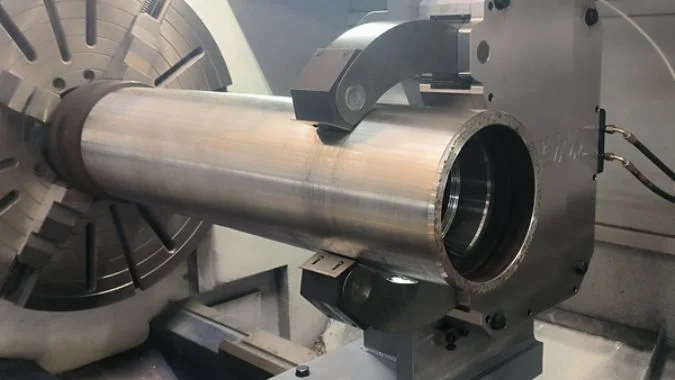
When is a Steady Rest Required on a CNC Lathe?
Long, thin shafts often shake and vibrate during turning operations. This "chatter" ruins your surface finish and makes holding tight tolerances impossible. A steady rest is…
Read more
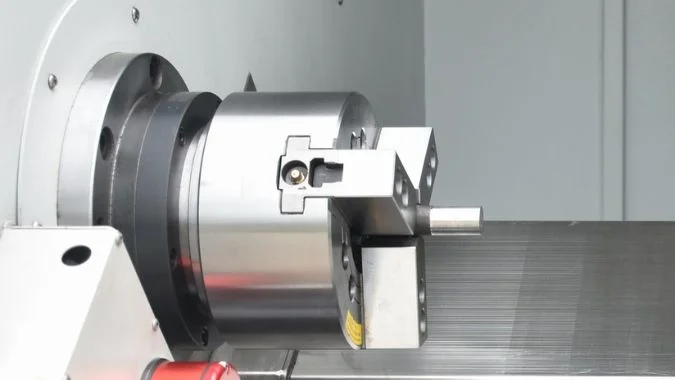
How to Choose Between Hard or Soft Jaw Chuck for a CNC Lathe?
Choosing the wrong chuck jaw can scrap your part. This mistake costs you time and money. Knowing the difference between hard and soft jaws is the…
Read more
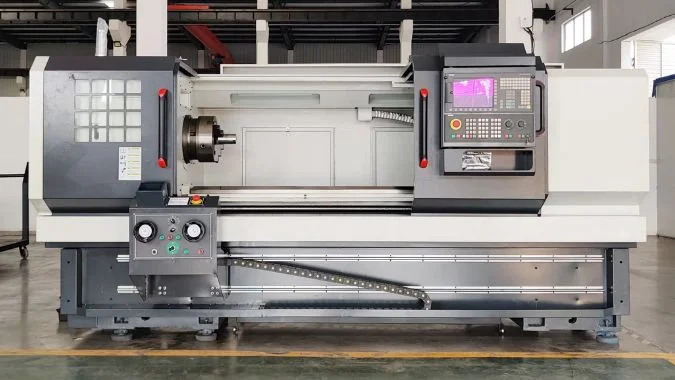
What Are the Differences Between Belt-Driven and Gearbox Spindles in a CNC Lathe?
Choosing the wrong spindle type for a CNC lathe can lead to poor performance, stalled cuts, and high long-term costs. The decision between a belt drive…
Read more
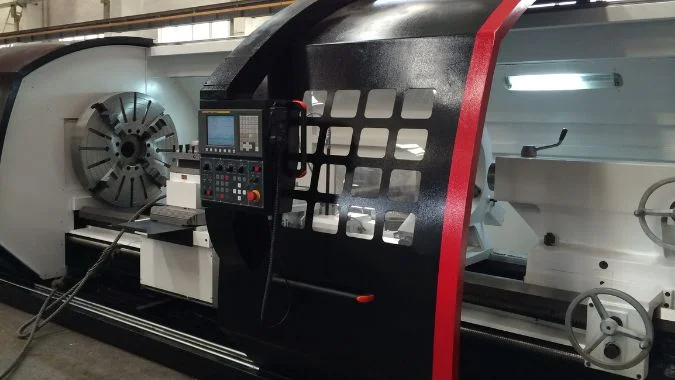
How to Choose Between a 3-Jaw and 4-Jaw Chuck for a CNC Lathe?
Standing in front of the lathe with a workpiece in your hand. Picking the wrong chuck means you’ll either scrap the part or waste an hour…
Read more

How to Choose Between a True and an Interpolated Y-axis on a Turn-Mill Center?
You need Y-axis capability for your new turn-mill center, but the choice is confusing. You’re afraid of spending the extra 30% on a true Y-axis you…
Read more

How to Choose Between VDI and BMT Turret for a CNC Lathe?
You’re buying a new turn-mill center, but the spec sheet offers two options: VDI or BMT. They seem similar, but choosing the wrong one could mean…
Read more
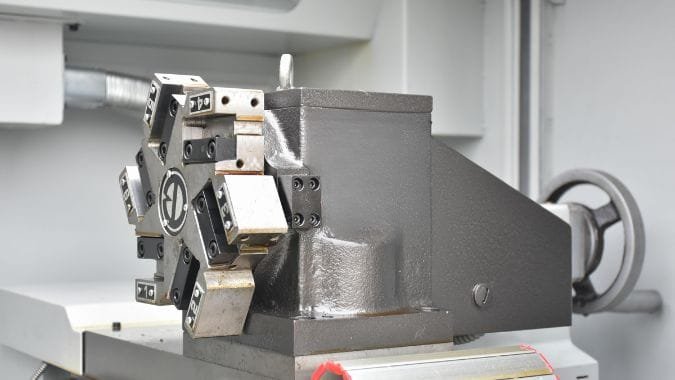
How to Choose Between a Single and Rotary Tool Post for a CNC Lathe?
Choosing the wrong tool post on a CNC lathe can bottleneck your entire production. You’re either wasting time with constant manual tool changes or you’ve overpaid…
Read more
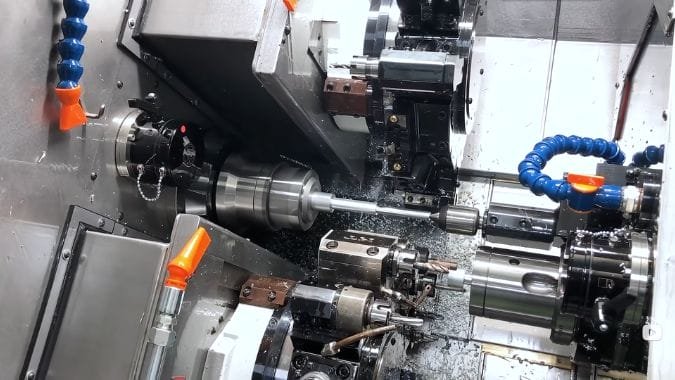
What are the Differences Between a Swiss Lathe and a Turn-mill Center?
Choosing between a Swiss lathe and a turn-mill center is confusing. They both combine turning and milling, but making the wrong choice means wasting a huge…
Read more
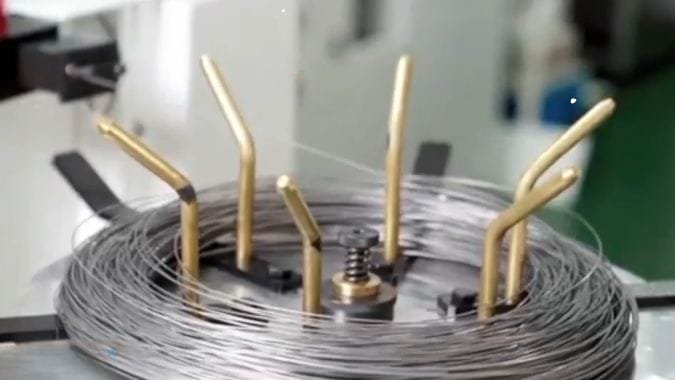
What is an Escomatic Lathe?
Struggling with high-volume production of tiny parts? Traditional methods are often slow, create waste, and require constant operator attention. This inefficiency can eat into your profits…
Read more