

How Can You Repair Worn Pin Holes on Excavators with Minimal Downtime?
Your excavator’s pin holes are badly worn, causing sloppy movements and risking serious damage. The usual workshop repair means huge transport costs and weeks of the machine sitting idle. You need a faster, on-site fix.
The best way is on-site repair. This uses portable bore welding to add material to the worn hole, then a portable Narrow-Space Line Boring Machine to accurately machine it back to the original size, all without major disassembly.
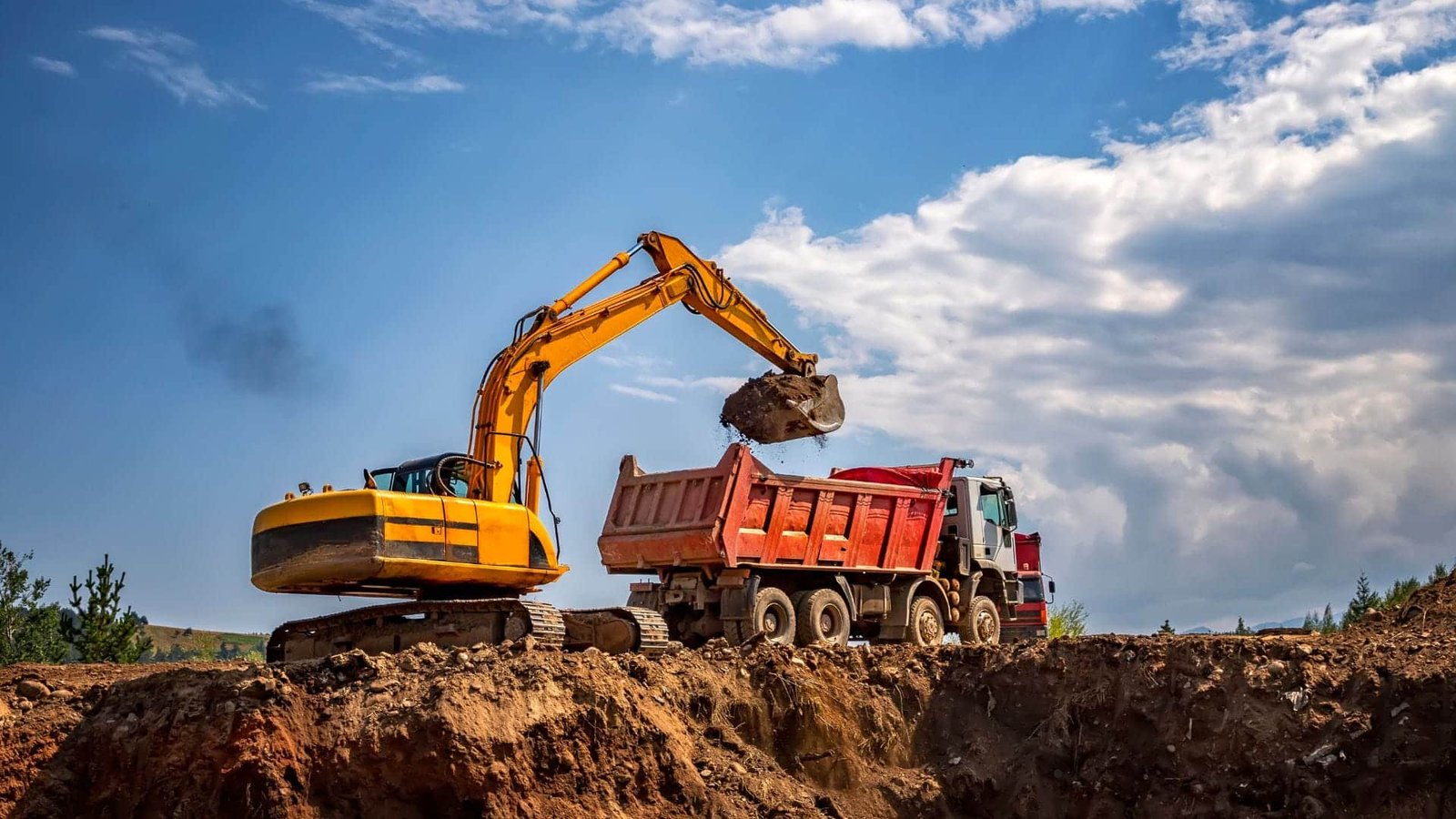
Modern portable machining offers a much smarter approach. The key is combining material buildup with precision machining, right there in the field, even in the tightest spots of the excavator’s frame.
What is a Narrow-Space Line Boring Machine?
Those worn pin holes are often buried deep within the excavator’s complex structure. How do you get workshop-level machining precision into such a tight, awkward location without dismantling everything? You need a very specific kind of tool.
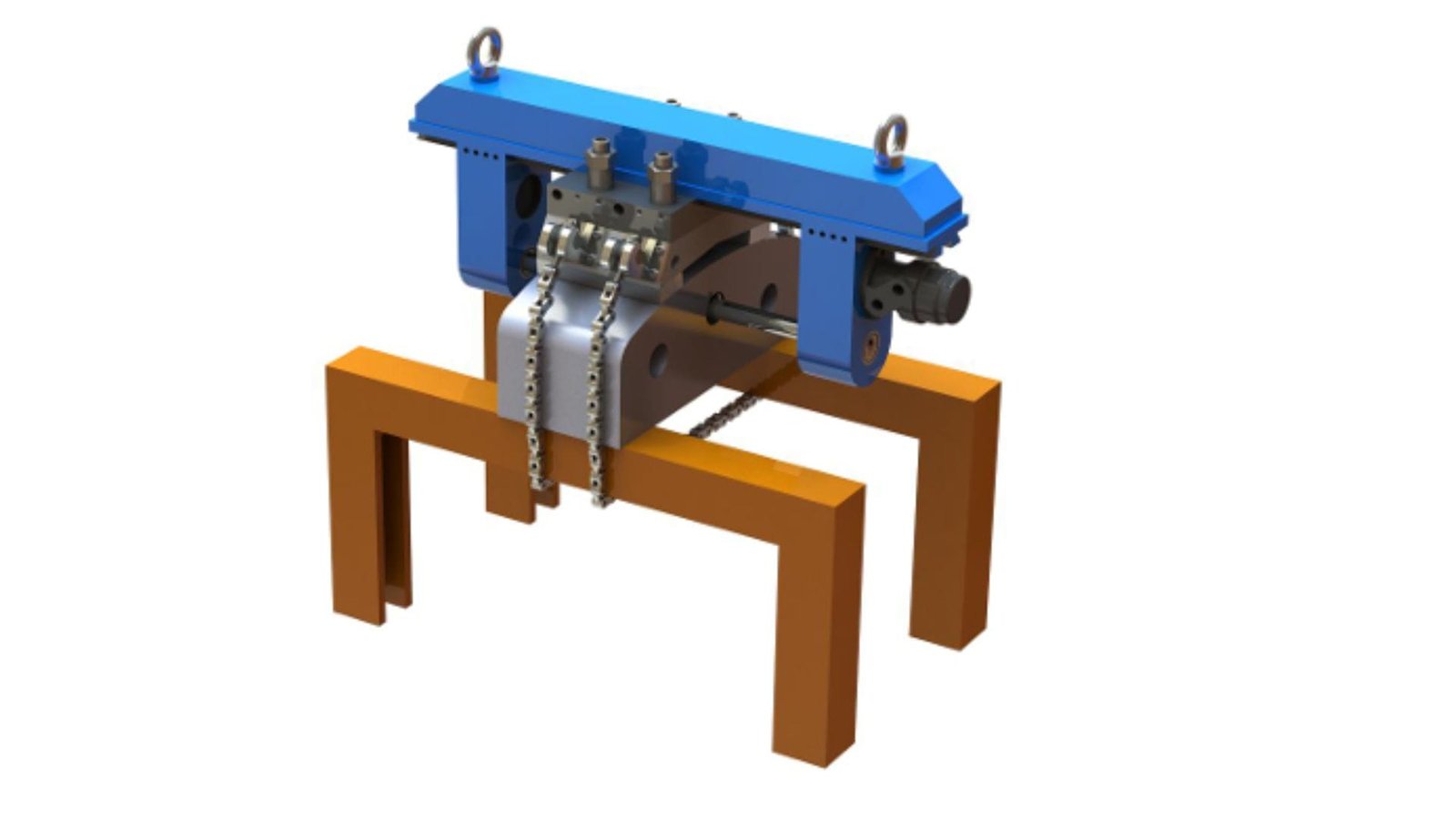
A Narrow-Space Line Boring Machine is a compact, lightweight, yet powerful portable machine tool. It’s specifically engineered to accurately rebore worn holes or create new ones in confined areas where standard workshop machinery just can’t fit or operate effectively.
Key Features and Capabilities
These machines pack a lot of capability into a small package, designed for accuracy and versatility. Based on my experience and common industry standards, here’s what makes them so effective:
- Boring Range: They are versatile, typically handling a reaming diameter range from 30mm up to 300mm (approximately 1.2 to 11.8 inches). This range covers most pin and bushing sizes found on excavators and similar heavy machinery.
- Broad Applications: They are ideal for re-boring excavator pin holes, but also for flange connection holes, main engine base holes, bearing seat positioning holes, and even rudder machine seat positioning holes in marine applications.
- End Face Machining: Many models can be equipped with a plane feed mechanism. This attachment allows for machining the end face of the hole, crucial for creating good sealing surfaces or accurate bearing shoulders.
- Versatile Installation: A key feature is often a sealed lubrication system. This enables the machine to be mounted and operated in any orientation – horizontally, vertically, or even inverted. This is vital for accessing awkwardly positioned holes on complex machinery.
- Stability and Precision: They incorporate heavy-duty, backlash-free spindle bearings1. This ensures the machine operates smoothly and without vibration, which is essential for achieving accurate bore dimensions and high-quality surface finishes.
- Design and Power: Despite their robust capabilities, these machines often have a relatively lightweight structure for easier handling and setup in the field. They are powered by high-horsepower motors, providing ample cutting force. Some can achieve a single-sided feed (depth of cut) of more than 3mm. Many also feature constant torque stepless speed regulation, allowing the operator to fine-tune speeds for optimal cutting on various materials.
- User-Friendly Setup: Design often prioritizes convenient installation, sometimes including features like self-centering setup cones, which is a necessity when working in the challenging conditions of an on-site repair.
This combination of features makes them indispensable for bringing high-precision machining directly to worn components, even in the most restricted spaces.
What are the Setup and Alignment Challenges When Performing Line Boring in Restricted Environments?
You’ve got your portable line boring machine ready. But working inside the tight, often greasy, confines of an excavator’s boom or stick presents significant hurdles before you even start cutting metal. How do you ensure the machine is perfectly aligned for an accurate repair?
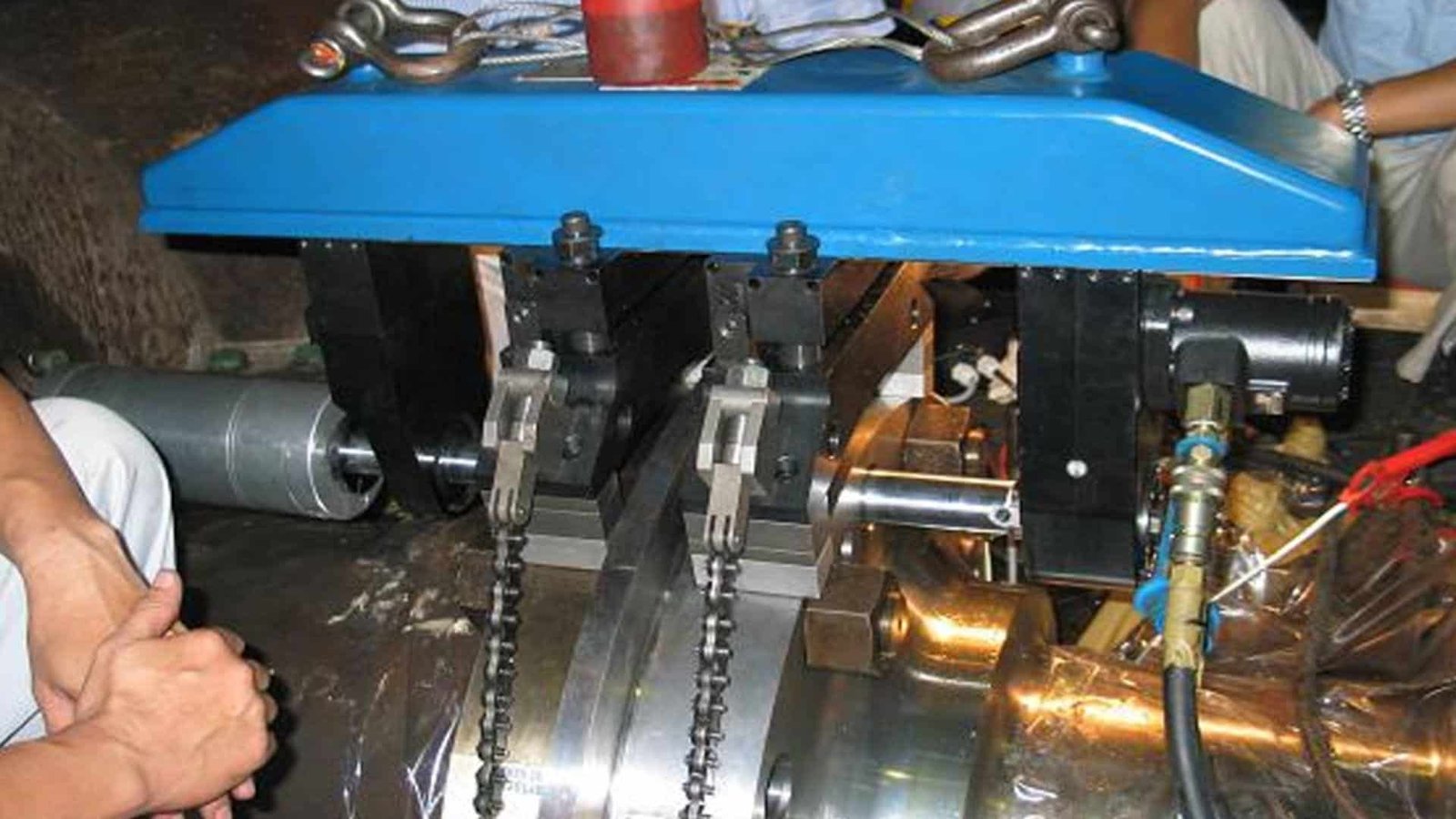
Major challenges include very limited physical access for mounting the machine, achieving precise co-axial alignment with existing reference bores or datum points, ensuring a completely rigid machine setup on potentially uneven or obstructed surfaces, poor visibility, and sometimes needing custom fixtures.
Overcoming On-Site Hurdles
Here are some of the common difficulties we face and how they are generally addressed:
- Limited Access and Maneuverability: Excavator structures are complex, with internal webbing and components. Simply getting the boring machine parts into position and having room to work can be tough. Technicians often use mirrors or borescopes and need to be adept at working in awkward positions.
- Achieving Precise Co-axial Alignment2: The primary goal is often restoring two or more worn bores to a single, perfectly straight centerline. Aligning the boring bar through multiple, often significantly worn and misaligned, holes in a restricted space requires specialized alignment kits (using cones, spiders, lasers) and meticulous attention. Small errors here can be magnified over the length of the bore.
- Ensuring Rigid Machine Mounting: The boring machine must be mounted absolutely rigidly to the workpiece or an adjacent stable structure. Surfaces on heavy equipment can be uneven, painted, or have weld beads. Custom brackets, strong magnetic bases, and multiple clamping points are often necessary to prevent any movement or vibration during the cutting process. Any flex will compromise accuracy.
- Poor Visibility: Working deep inside a structure means lighting can be poor, making it hard to see critical alignment marks or monitor the cutting process. Good portable lighting is essential.
- Working Around Obstructions: Hydraulic lines, electrical wiring, and other components frequently run near or through the areas needing repair. These must be carefully protected or temporarily rerouted.
- Need for Custom Solutions: Standard mounting hardware might not always work in unique, confined spaces. Technicians sometimes need to fabricate custom fixtures or adapt existing ones to securely mount the boring bar. Features like adjustable mount kits on the boring machine itself can be very helpful.
- Datum Referencing: If the original bores are too damaged to be reliable references, a new datum line must be established using other machine features or external measurements, adding complexity to the alignment.
Successfully overcoming these challenges requires experienced technicians, specialized alignment tools, and a patient, methodical approach to ensure the subsequent boring operation is accurate.
What Kind of Accuracy Can Be Achieved by Using Line Boring Machine?
You’re repairing critical pin holes on an excavator, joints that withstand immense forces daily. So, just how precise can these portable line boring machines actually be when operating on-site, often in less-than-ideal field conditions?
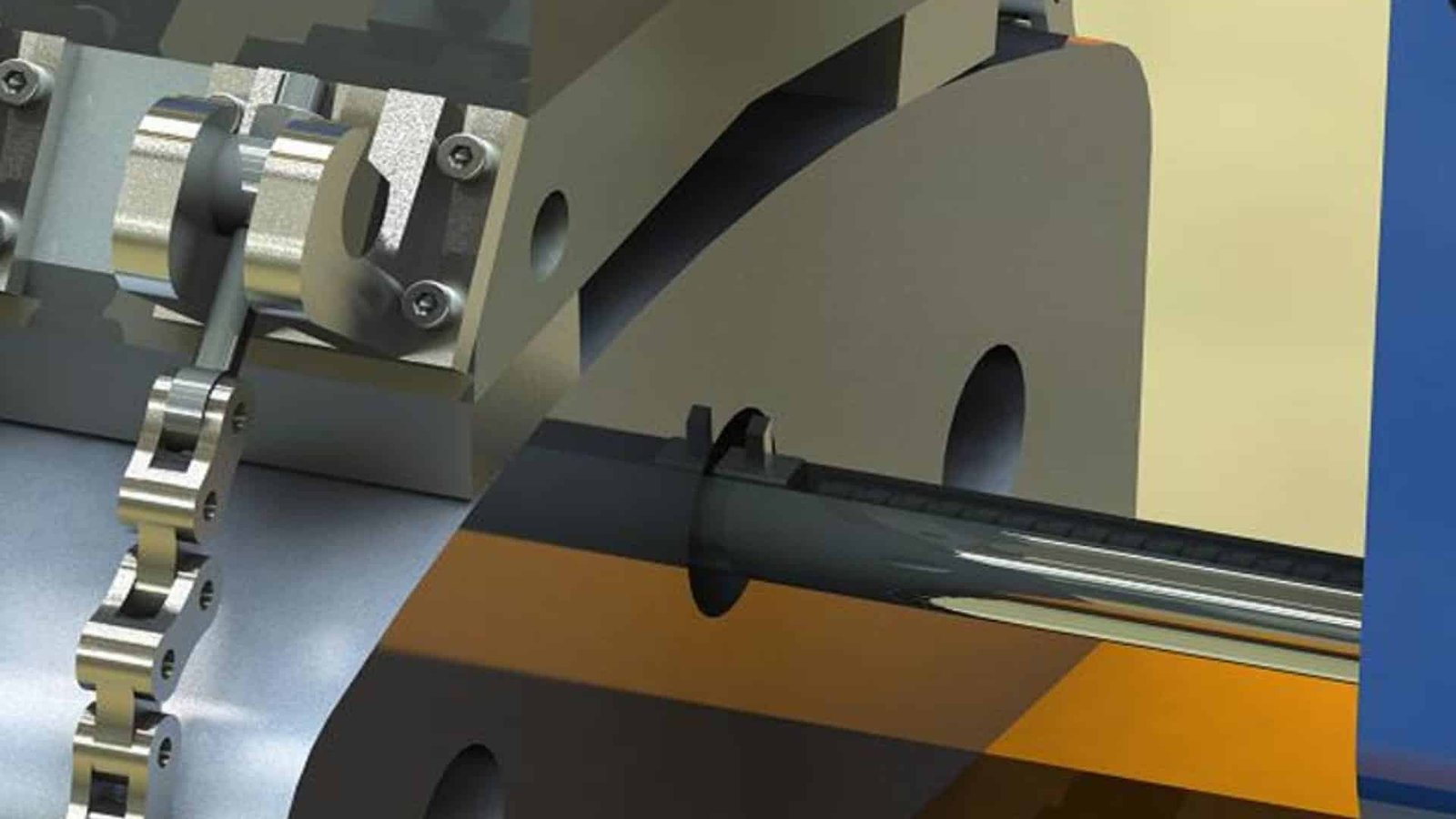
Modern portable line boring machines can achieve impressive accuracy. It’s common to attain surface finishes down to Ra 1.6 micrometers. Dimensionally, very tight tolerances can be held, often with an error margin of less than 0.002%, ensuring precise diameters, excellent roundness, and high coaxiality between multiple bores.
Understanding Achievable Precision
The accuracy of on-site line boring is fundamental to the durability of the repair and the future performance of the equipment. Here’s what these machines can deliver:
- Surface Finish3: A smooth surface finish is vital for proper bearing function and to minimize wear on new pins and bushings. A surface roughness of Ra 1.6 micrometers (approximately 63 microinches) is a widely achievable target. This smooth surface promotes good lubrication film retention and even load distribution.
- Diametrical Tolerance: For excavator pin holes, the final bore diameter must be extremely precise to ensure the correct interference or clearance fit for new bushings and pins. Technicians often work to standard ISO tolerances, such as H7 or H8, which define a very specific and tight range for the hole size. This precision prevents pins from being too loose (which leads to rapid re-wear) or too tight (making assembly difficult or causing seizure).
- Dimensional Accuracy: Beyond standard fits, the overall dimensional error can be incredibly low, often cited as less than a 0.002% margin of error, thanks to rigid machine construction, precision ground boring bars, and sometimes digital controls for feed and depth.
- Roundness (Circularity): Worn holes frequently become oval or out-of-round. Line boring restores the hole to a near-perfect circle. Excellent roundness is essential for even load distribution around the pin and bushing, preventing premature failure of the new components.
- Coaxiality (Alignment): When boring multiple holes in a line (like the main boom hinge points on an excavator), it is crucial that they share a common, perfectly straight centerline. Modern portable line boring equipment, combined with careful and precise setup using lasers or optical alignment tools, can achieve very high levels of coaxiality. This ensures smooth articulation of joints and prevents binding of the pins.
- Cylindricity4: This refers to how straight and parallel the bore walls are along its entire length. Good cylindricity ensures that the pin or bushing has consistent contact and support throughout the bore.
Achieving this level of multifaceted accuracy on-site, often in demanding environments, highlights the advanced engineering of modern portable line boring machines and the critical skills of the technicians operating them. This precision directly translates to extended component life and reliable, efficient excavator performance.
What Industries Typically Benefit Most from Narrow-Space Line Boring Capabilities?
Excavators are a prime example, but where else is this specialized ability to perform precise boring in tight, hard-to-reach spots absolutely essential? Many sectors rely on large, complex machinery where disassembly and transport for workshop repair is an operational and financial nightmare.
Industries such as Construction (excavators, dozers), Mining (large shovels, draglines), Marine and Shipbuilding (stern tubes, rudder bores), Power Generation (turbine casings), Oil and Gas (drilling equipment), Railway (locomotives, rolling stock), and general Heavy Manufacturing (large machine frames, industrial gearboxes) benefit hugely from on-site narrow-space line boring.

The common denominator is equipment that’s too large, too integrated into a larger system, or too critical to production to be easily moved or dismantled. I’ve seen portable line boring save companies enormous amounts of time and money across a wide array of fields.
Key Sectors and Specific Applications
Beyond just excavator pin holes, narrow-space line boring5 provides critical repair solutions in many heavy industries:
- Construction and Earthmoving: This is a major application area. Besides excavators, machines like bulldozers, wheel loaders, cranes, drilling rigs, and articulated dump trucks all have numerous pivot points, linkages, and articulating joints with bores that are subject to wear.
- Mining: Some of the world’s largest mobile machinery operates in the mining sector. Draglines, electric rope shovels, large haul trucks, and continuous miners all suffer bore wear under extreme loads and harsh conditions. Portable line boring is often the only practical repair method.
- Marine and Shipbuilding: Tasks like re-boring stern tubes for propeller shafts, rudder stock bores, engine A-frame supports, crane pedestals, and flange connection holes on large piping systems frequently require precision machining in very confined spaces within a ship’s hull or superstructure.
- Power Generation: In various power plants (hydro, thermal, nuclear, wind), components such as turbine casings, generator bearing housings, large valve bodies, and linkages in dam mechanisms can develop wear or require modifications where on-site boring is preferred.
- Oil and Gas: On offshore platforms, onshore drilling rigs, and in refineries, equipment like large pump housings, crane pedestals, mooring equipment connection points, and components of BOP stacks can require on-site bore repairs, often in restricted and potentially hazardous environments.
- Railway: Components like engine blocks, hydraulic cylinder bores, gearbox housings, and pivot points on bogies in locomotives and rolling stock can be repaired efficiently using portable line boring6.
- Heavy Manufacturing and Steel Mills: Repairing bearing housings on rolling mills, machining large fabrications, restoring accuracy to worn machine tool frames, and overhauling large industrial gearboxes are common uses. This includes repairing bores in pump housings, and pipe flanges.
Essentially, any industry that utilizes large, capital-intensive machinery with critical bore alignments can realize significant savings in downtime and overall repair costs by leveraging on-site narrow-space line boring services.
Conclusion
Repairing worn excavator pin holes efficiently involves on-site bore welding and precision machining with a narrow-space line boring machine. This minimizes costly downtime and restores equipment to optimal operational standards, a vital service for many heavy industries.
-
Learning about these bearings can provide insights into achieving precision and stability in machining processes, essential for quality repairs. ↩
-
Explore this resource to understand the techniques and tools that ensure perfect alignment, crucial for successful boring operations. ↩
-
Understanding surface finish is crucial for ensuring proper bearing function and minimizing wear on new components. Explore this link to learn more. ↩
-
Cylindricity ensures consistent contact and support for pins and bushings, which is vital for performance. Learn more about its role in precision engineering. ↩
-
Explore how narrow-space line boring can save time and costs in various heavy industries, enhancing operational efficiency. ↩
-
Learn about the effectiveness of portable line boring in harsh environments, crucial for maintenance in mining and oil sectors. ↩

Chris Lu
Leveraging over a decade of hands-on experience in the machine tool industry, particularly with CNC machines, I'm here to help. Whether you have questions sparked by this post, need guidance on selecting the right equipment (CNC or conventional), are exploring custom machine solutions, or are ready to discuss a purchase, don't hesitate to CONTACT Me. Let's find the perfect machine tool for your needs.