

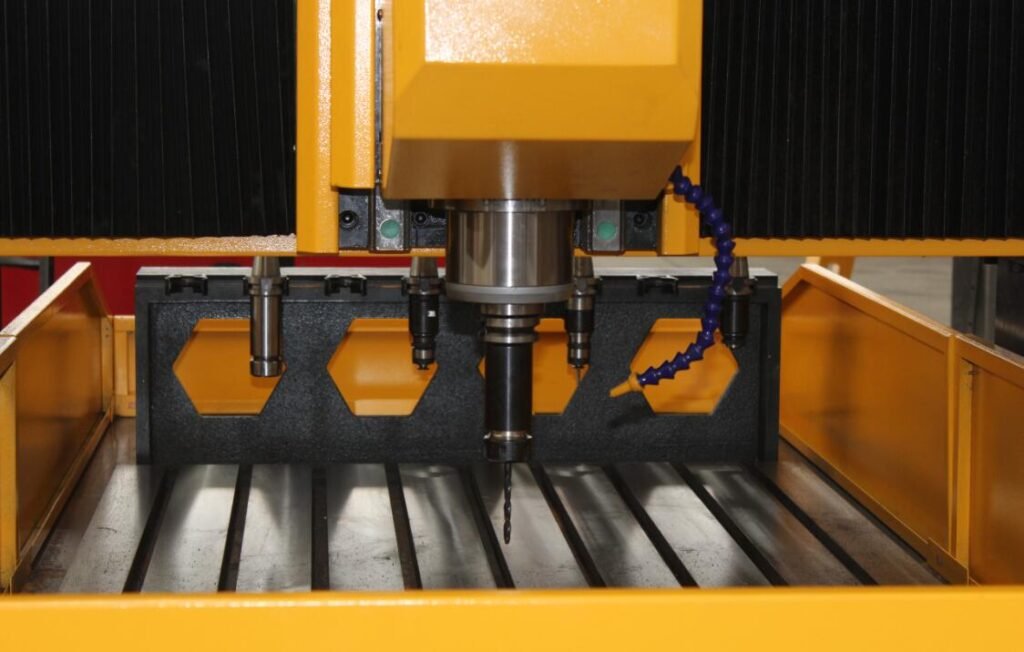
Selecting the right CNC drilling machine for precision hole-making is a vital step for manufacturers seeking high accuracy and productivity. This decision is especially crucial in metalworking, where each drill must achieve precise dimensions without compromising the quality of the workpiece. In this guide, we’ll cover essential questions to help you understand key selection criteria, from drill bit types to machine automation, ensuring you find the perfect machine for your production needs.
Choosing a CNC drilling machine means balancing between drill bit types, spindle power, hole depth, and automation options. Each factor influences the machine’s efficiency and the accuracy of your output. Read on for an in-depth, step-by-step guide.
In the sections below, we’ll discuss crucial elements to consider, such as drill bit materials, spindle power, machine depth capabilities, and the value of automation. With this knowledge, you’ll be equipped to make an informed decision tailored to your production needs.
What Drill Bit Type and Rotation Speed Are Ideal for Achieving Precise Holes with a CNC Drilling Machine?
The choice of drill bit type and rotation speed is a critical consideration for CNC drilling. Different materials, such as aluminum, steel, or harder metals, require specific drill bits and rotation speeds to ensure clean, precise holes without excessive wear on the bit. The right combination will improve both the quality and efficiency of your operations.
Using the appropriate drill bit—such as HSS, carbide, or cobalt—matched with the right rotation speed can drastically impact precision, tool longevity, and hole quality. Let’s explore how these choices affect your results.
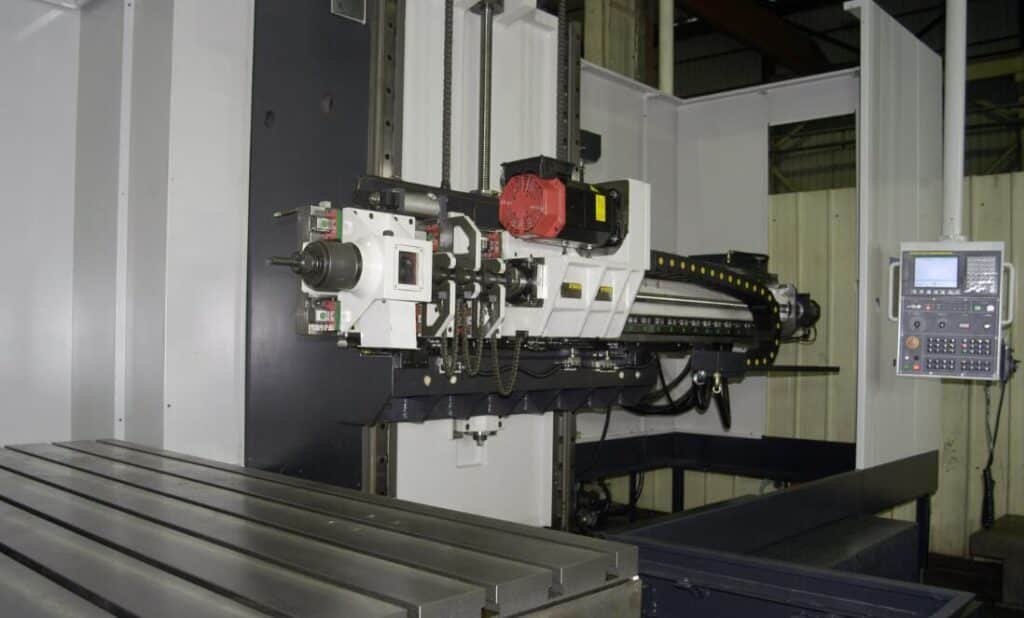
For softer materials, high-speed steel (HSS) bits provide an affordable yet effective option, while harder metals like stainless steel or titanium alloys may require carbide or cobalt bits. These harder materials resist wear at high speeds, allowing for faster rotation without compromising the cut. Rotation speed, measured in RPM, should be adjusted based on both the material and bit type: softer metals handle higher speeds, reducing overall drill time, while harder metals benefit from slower speeds that prevent overheating and protect the tool’s cutting edge. Advanced CNC machines often allow for real-time RPM adjustments, giving operators control over the process to maximize precision and extend tool life.
Why Is the Choice of Spindle Power and Speed Critical for Accurate Drilling in Metal?
Spindle power and adjustable speed settings are essential for accurate hole-making, particularly in metals. High spindle power allows for controlled force, which is crucial for maintaining stability and achieving clean cuts. The ability to vary spindle speed ensures the machine can adapt to different materials and thicknesses.
Spindle power provides the force needed to drill through tough materials, while speed control ensures the correct RPM is applied for the material type. These factors work together to enhance accuracy and protect the tool and workpiece from damage.
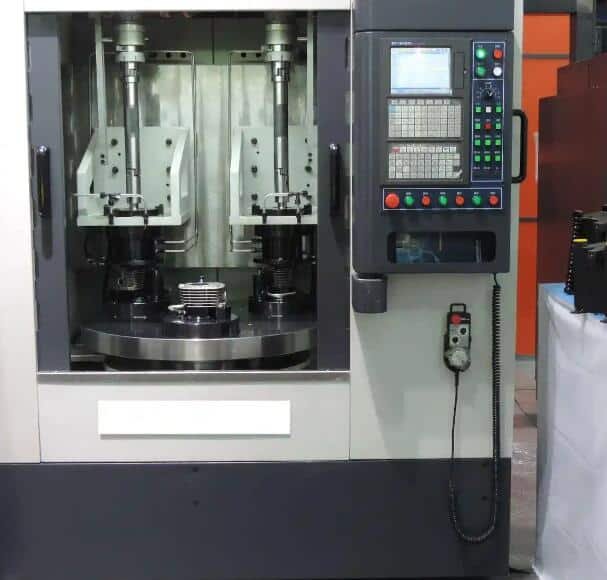
Spindle power is often measured in horsepower (HP), and the higher the HP, the more robust the drilling capability, allowing the machine to cut cleanly through harder metals without stalling. Machines with greater spindle power also tend to offer enhanced stability, which helps minimize wobbling or deflection during drilling, ensuring precise hole placement. For highly accurate drilling in harder metals, the ability to control speed settings is equally important. Slower speeds work well for materials like titanium or stainless steel, where too much speed can cause friction that damages both the workpiece and the tool. Many modern CNC machines provide digital interfaces to adjust speed and monitor power, giving operators finer control and flexibility across different drilling applications.
How Does the Required Hole Depth and Diameter Range Impact Your Choice of CNC Drilling Machine?
Understanding the range of hole depths and diameters you need is fundamental to choosing a CNC drilling machine. Not every machine can handle deep drilling or create holes of various diameters, and selecting a machine that fits your project specifications can prevent workflow interruptions and increase production efficiency.
The right CNC drilling machine should accommodate your depth and diameter needs without frequent tooling changes. Machines with depth stops or automatic adjustments can streamline operations and reduce human error.
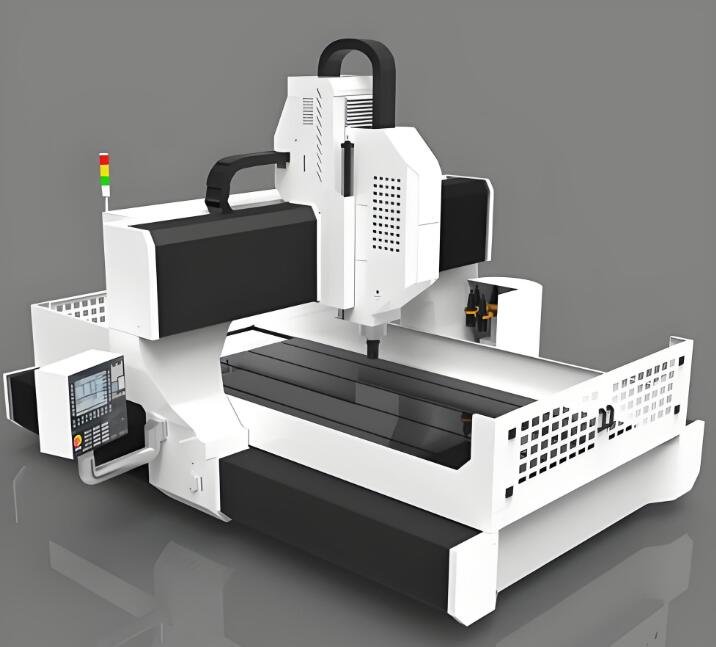
For high-precision applications, consistent depth control is essential. CNC machines with programmable depth stops enable operators to set exact measurements, ensuring uniform depth across multiple drill points—a key factor in production consistency. Depth capacity depends on the machine’s build and design; for instance, deeper holes may require specialized bits and cooling systems to maintain stability and prevent overheating. Diameter range is also critical, especially for multi-stage projects where different hole sizes are required. Machines equipped with automatic tool changers can switch between different drill sizes without manual intervention, improving efficiency. By ensuring your machine aligns with the depth and diameter specifications of your production line, you can optimize accuracy and maintain productivity.
What Level of Automation or Tool-Changing Capability Will Help You Meet Your Production Efficiency Goals?
Automation has become increasingly important in high-precision CNC machining, where accuracy and speed are critical. Machines with built-in automation features, such as automatic tool-changing, can seamlessly switch between tools, reducing downtime and maintaining productivity. For manufacturers with high-volume production needs, these capabilities make a significant impact.
Automatic tool changers and other automation features enhance workflow efficiency and reduce manual intervention, especially in complex production lines. Machines with this level of automation are well-suited for operations requiring high speed, consistency, and flexibility.
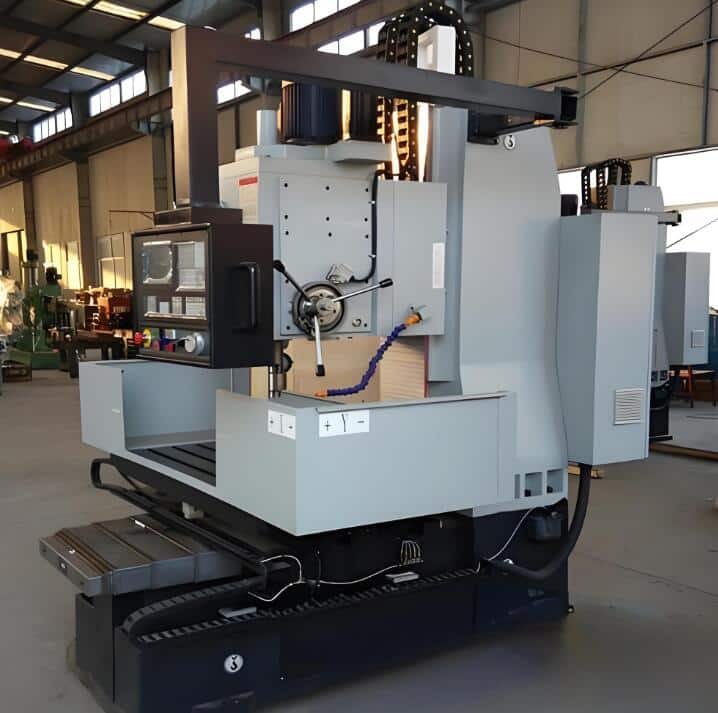
Automatic tool-changing is an invaluable feature in modern CNC drilling machines, allowing the machine to switch tools automatically based on pre-set requirements. This capability is especially useful in multi-step drilling processes where different bit types and sizes are needed. For example, a project may require both pilot holes and finishing holes of varying diameters; with an automatic tool changer, the CNC machine can transition between these tasks without human input, reducing error and increasing productivity. Additional automation features, such as robotic arms for workpiece handling or integrated sensors for quality control, further streamline the process. This level of automation minimizes downtime, enabling a smoother, faster, and more efficient production cycle, which ultimately supports consistent output and optimizes resources.
Conclusion
In summary, selecting the right CNC drilling machine for precision hole-making requires a careful assessment of multiple factors: drill bit selection, spindle power and speed control, depth and diameter capacity, and automation capabilities. By evaluating these aspects and choosing a machine that aligns with your production specifications, you can ensure consistent precision, maximize efficiency, and support your operational goals. With the right CNC machine, your production line can achieve the accuracy and reliability needed to meet your quality standards and drive business success.

Chris Lu
Leveraging over a decade of hands-on experience in the machine tool industry, particularly with CNC machines, I'm here to help. Whether you have questions sparked by this post, need guidance on selecting the right equipment (CNC or conventional), are exploring custom machine solutions, or are ready to discuss a purchase, don't hesitate to CONTACT Me. Let's find the perfect machine tool for your needs.