

How To Select The Right Profile Machining Center For Your Shop?
Choosing the wrong profile machining center is a huge, costly mistake. It can cripple your production, ruin part quality, and blow your budget, leaving you with a machine that can’t do the job you bought it for.
To select the right profile machining center, you must first define your specific machining needs: the material you cut, the size and complexity of your parts, and the required precision. Then, match these needs to the machine’s key performance parameters, automation level, and overall long-term value.
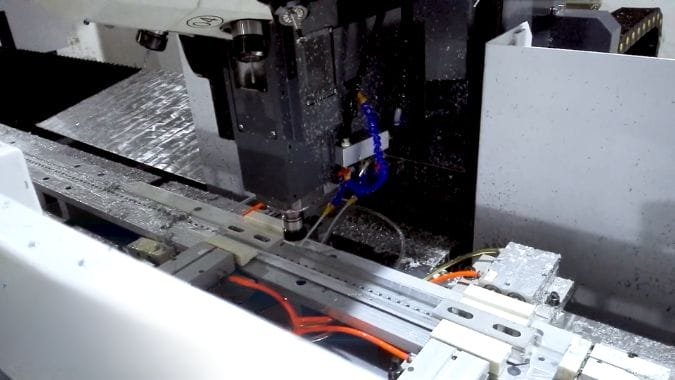
I’ve seen so many companies get this wrong. They either get fixated on the lowest price or buy a machine with a ton of features they’ll never use. I remember one client who was about to buy a massive, high-power machine designed for steel. The problem was, they only machined long aluminum extrusions. They would have been paying for power they didn’t need and sacrificing the high spindle speed that is critical for a good finish on aluminum. We stopped them just in time. Making the right choice isn’t about finding the "best" machine; it’s about finding the perfectly matched machine for your work.
What Machining Requirements Should Be Confirmed Before Buying A Profile Machining Center?
Buying a new machine without a clear plan is just a big gamble. You might end up with a machine that’s too weak for your materials, too slow for your volume, or physically too small for your most profitable jobs, forcing you to turn down work.
Before buying, you must confirm the exact material you will machine, the size and complexity of your parts, and the level of accuracy you need to achieve. These three factors will guide every other decision you make and ensure the machine is a perfect fit.
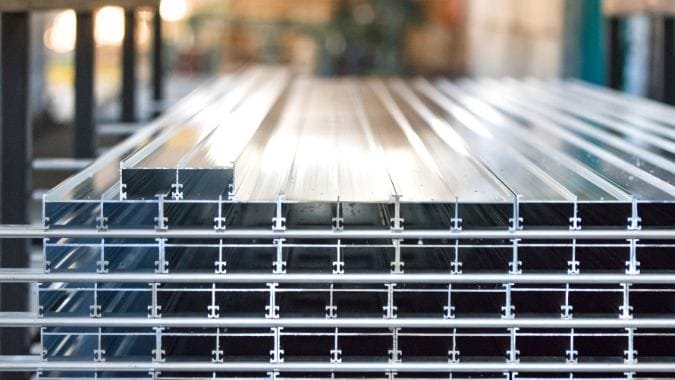
The first question I always ask a client is, "What are you cutting?" The answer changes everything. A machine built for aluminum extrusions is fundamentally different from one built for steel profiles. An aluminum profile machine1 needs a high-speed spindle to get a good surface finish and an effective coolant system for chip evacuation. A steel machine needs a powerful, high-torque spindle2 and a much more rigid frame to handle heavy cutting forces. Part complexity is next. Do you just drill holes, or do you need to machine complex contours on multiple faces? A simple 3-axis machine can’t do the work of a 4- or 5-axis center. Finally, be realistic about your tolerances. A standard part might be fine, but if you need accuracy down to ±0.02mm, you need a machine built for that level of precision from the ground up, with low thermal deformation and a rock-solid frame.
Which Performance And Parameters Are Most Important For A Profile Machining Center?
A machine’s spec sheet can be overwhelming with dozens of numbers. Focusing on the wrong ones can lead you to buy a machine that looks good on paper but performs poorly on your shop floor, hurting your efficiency and final part quality.
The most important parameters are spindle speed and power, axis configuration and movement speed, and the machine’s rigidity and work envelope. These directly determine the machine’s capability, speed, and the quality of the parts it can produce.
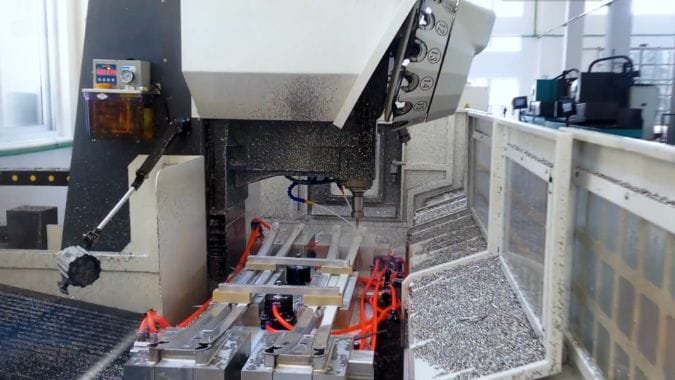
I always tell people to focus on these core areas because they define the machine’s physical limits and performance. The spindle is the heart of the machine. Its speed (RPM) and power (kW) dictate what you can cut and how fast. The axis configuration (3, 4, or 5-axis) determines the complexity of parts you can make in a single setup. Axis speed and acceleration have a huge impact on your total cycle time, especially on parts with many features. Finally, rigidity and the size of the work envelope are crucial. A heavy, stable machine frame prevents vibration and ensures accuracy on long cuts. The travel dimensions must be large enough to fit your longest parts, with a little extra room to spare. Don’t just think about today’s jobs; consider the larger profiles you might want to take on in the future.
Core Performance Parameters Explained
| Parameter | What to Look For (Aluminum Profile) | What to Look For (Steel Profile) | Why It Matters |
|---|---|---|---|
| Spindle Speed & Power3 | High Speed (18,000 – 24,000 RPM). Moderate Power. | Lower Speed (6,000-12,000 RPM). High Power & Torque (10-30 kW). | High speed gives a clean finish on soft metals. High power provides the force to cut hard metals efficiently. |
| Axes & Movement | 4 or 5-axis for multi-side access. High Rapid Traverse (e.g., 60 m/min). | 3, 4, or 5-axis depending on part. High rigidity is more critical than top speed. | More axes reduce setups and labor. Faster movement reduces non-cutting time and shortens cycle times. |
| Rigidity & Work Envelope4 | Long X-axis travel (up to 7-10m). LM guideways for speed. | Heavy machine base (>5 tons). Box guideways for heavy-duty cuts. | The travel must accommodate your longest workpiece. A rigid frame prevents vibration and maintains accuracy. |
How Does Automation Or Intelligent Control Affect A Profile Machining Center Choice?
Running a machine manually is slow, expensive, and introduces human error, especially in repetitive production. Relying on operators for every single task leads to inconsistent cycle times, lower output, and higher labor costs that eat into your profit margins.
Automation and intelligent controls dramatically increase a machine’s productivity and reliability. Automation allows for continuous, unattended production, while intelligent controls optimize the cutting process in real-time for better quality and tool life.
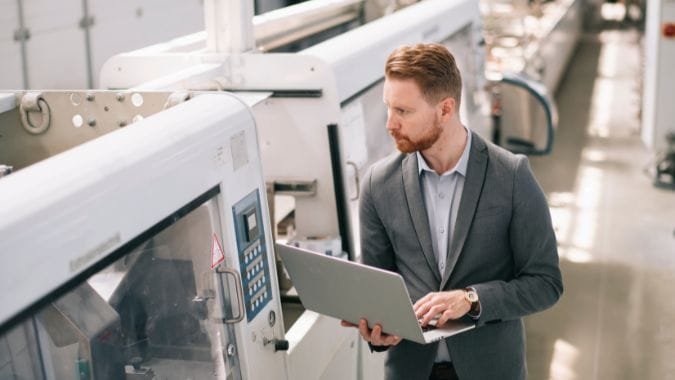
If you are doing any kind of high-volume production, automation is a necessity. Even a basic automatic tool changer (ATC) is a massive step up. But modern automation goes much further. Systems with automatic exchange tables5 can reduce auxiliary time by up to 30% by allowing an operator to set up the next part while the machine is still cutting. Intelligent controls are the next level. These systems can monitor the cutting load and automatically adjust feed rates to prevent tool breakage and optimize cycle time, improving throughput by 15-25%. They can also perform predictive maintenance6, warning you of a problem before it causes a costly breakdown. This transforms the machine from a simple tool into a smart production system that runs itself efficiently and reliably.
How Should Cost And Value Guide My Profile Machining Center Purchase Decision?
It’s tempting to just buy the cheapest machine that meets your basic specs. But that low initial price often hides a world of expensive problems, like frequent breakdowns, high maintenance costs, and poor support that will cost you far more in the long run.
Look beyond the initial purchase price and evaluate the Total Cost of Ownership (TCO) and long-term ROI. A more expensive, high-quality machine with low failure rates and good support is often more cost-effective over its life than a cheaper, less reliable alternative.

When you buy a machine, you are investing in your company’s production capacity for the next 10 to 15 years. The initial price, which can range from $20,000 to over $120,000, is only one part of that investment. I always urge clients to think about the long-term value7. A well-built machine from a reputable brand will run more reliably, consume less energy, and require less maintenance. Over a decade, these savings in avoided downtime and repair bills can easily outweigh a higher initial price. You must also factor in operating costs for energy8, tooling, and labor. A more efficient, automated machine will lower your cost per part, directly boosting your profitability. When your machine eventually does have an issue, fast and reliable support is priceless. That long-term reliability is the true measure of value.
Conclusion
Selecting the right profile machining center requires a careful look at your specific production needs, the machine’s performance, and its long-term value, not just its price tag. A smart choice brings years of efficient, profitable production.
-
Understanding the features of aluminum profile machines can help you choose the right equipment for your needs. ↩
-
Exploring the significance of high-torque spindles can enhance your knowledge of machining efficiency and performance. ↩
-
Understanding spindle speed and power is crucial for optimizing machining processes and achieving high-quality finishes. ↩
-
Exploring this topic will help you grasp how machine stability influences precision and overall performance in machining. ↩
-
Explore how automatic exchange tables can significantly enhance production efficiency and reduce downtime. ↩
-
Learn how predictive maintenance can save costs and prevent breakdowns, ensuring smoother operations. ↩
-
Understanding long-term value helps you make informed decisions that maximize your investment and minimize future costs. ↩
-
Exploring this topic reveals how energy costs impact overall profitability and can guide you in selecting the right machinery. ↩

Chris Lu
Leveraging over a decade of hands-on experience in the machine tool industry, particularly with CNC machines, I'm here to help. Whether you have questions sparked by this post, need guidance on selecting the right equipment (CNC or conventional), are exploring custom machine solutions, or are ready to discuss a purchase, don't hesitate to CONTACT Me. Let's find the perfect machine tool for your needs.