

What Are the Primary Causes of Spindle Rust in Aluminum Profile Machining Centers?
You look inside your machine spindle and see an orange tint. Soon, parts fail quality checks and tools break. Understanding why rust forms saves your expensive equipment.
Spindle rust in aluminum profile machining centers happens due to high workshop humidity, poor coolant mixtures, and daily maintenance failures. Sticky aluminum chips trap wet coolant against the steel spindle. This traps moisture, which quickly accelerates metal oxidation and creates a highly corrosive sludge.
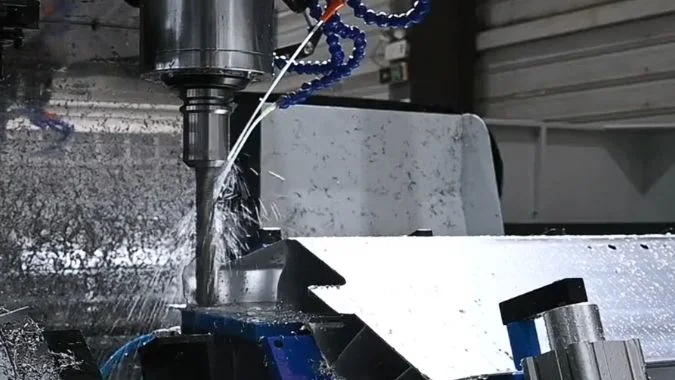
Many workers ruined expensive spindles because they ignore simple surface rust. Let me explain why this happens and how you can stop it completely.
How Does Surface Rust on the Spindle Taper Affect Machining Precision and Tool Life?
You load a new tool, but it wiggles slightly. That tiny movement destroys your surface finish and chips your expensive cutters before the shift even ends.
Rust destroys the perfect metal-to-metal fit between the spindle taper and the tool holder. This damage creates micro-gaps that cause tool eccentricity and severe vibration. As a result, your machining precision drops, and uneven cutting forces can shorten your tool life by half.

The spindle taper hole1 holds the tool. The taper surface must perfectly match the tool holder. Rust destroys the smooth surface of this hole.
Decreased Clamping Stability
When the surface has rust, the tool does not sit flat. This creates a loose fit. The tool spins slightly off-center. We call this radial runout2. This runout ruins the size of your cuts. It also makes the surface of the aluminum look rough. You cannot achieve repeatable positioning during tool changes. Every tool loads differently.
Increased Vibration and Tool Wear
Corrosion reduces the rigidity of the tool system. When the machine spins fast, the loose tool shakes. This vibration causes chatter marks on your parts. The shaking also hurts the tool. The cutting edge hits the metal unevenly, which accelerates wear. Sometimes, the rust mixes with the coolant and aluminum dust. This forms a hard glue. The tool gets stuck in the spindle. Also, rust does not conduct heat well. The heat from cutting stays in the tool holder. This makes the tool too hot and causes early material fatigue.
| Rust Effect | Direct Consequence | Business Impact |
|---|---|---|
| Micro-gaps in taper | Radial runout | Poor surface finish |
| Reduced rigidity | Severe vibration | Broken cutting tools |
| Poor heat transfer | Overheated tool holder | Fast material fatigue |
What Are the Effects of Spindle Rust in Aluminum Profile Machining Centers?
You ignore a little surface rust today. Tomorrow, your production line stops completely. The hidden costs of corrosion will quietly drain your company profits.
Spindle rust shortens equipment life through metal fatigue and bearing wear. It reduces production efficiency because operators must slow down the machine to prevent chatter. Eventually, the rust spreads to internal seals, causing complete spindle failure and very expensive machine downtime.
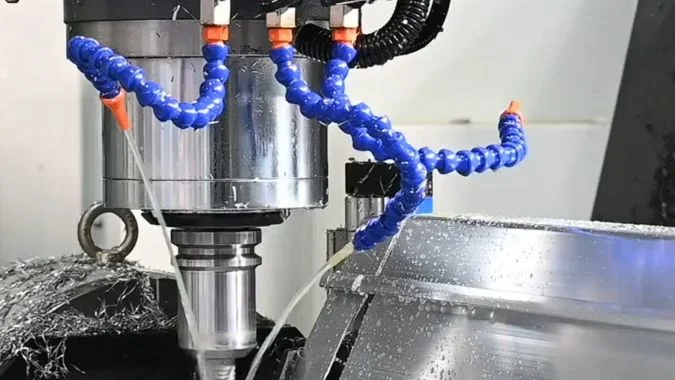
A rusty spindle causes problems far beyond the cutting tool. The spindle is the heart of the CNC machine. If the heart is sick, the whole machine suffers.
Shortened Equipment Life
Rust eats into the metal and causes metal fatigue3. The surface becomes weak and starts to flake off. This rust dust gets inside the spindle bearings4. It increases friction and heat. The bearings wear out very fast. Soon, you will have to rebuild or replace the entire spindle. This costs a lot of money and takes a lot of time.
Reduced Production Efficiency
When a spindle rusts, the machine loses its stability. Operators hear the noise and see the bad surface finish. They usually slow down the cutting speed to fix the bad finish. Slower cutting means you make fewer parts every day. Your cycle times go up. Also, the corrosion can spread to the drawbar and internal seals. Eventually, the spindle will freeze or break. When this happens, the machine stops working entirely. You miss your delivery dates, and you pay your workers to wait.
| Machine Component | Rust Damage | Result |
|---|---|---|
| Spindle Bearings | Increased friction | Costly spindle rebuild |
| Internal Seals | Material breakdown | Complete machine stop |
| Drawbar | Stuck mechanism | Failed tool changes |
How We Deal With the Spindle Rust in Aluminum Profile Machining Centers?
You need to fix this problem before it ruins another spindle. A reactive repair costs too much money. You need a proactive daily strategy to protect your machine.
We prevent rust by controlling workshop humidity between 40% and 60% and maintaining correct coolant concentration. We clean the spindle taper daily with dry air and lint-free cloths, then apply anti-rust oil after every shift to block moisture completely.
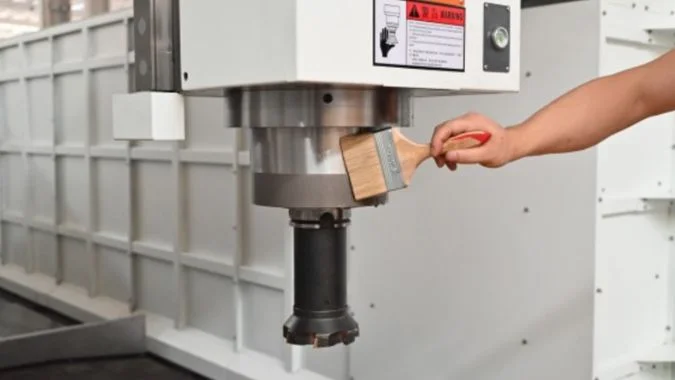
You can prevent rust if you follow strict daily rules. At my company, we teach our clients a simple system to keep their spindles safe.
Control the Environment and Coolant
Rust needs water to grow. You must keep your workshop dry. Keep the humidity between 40% and 60%. Use air conditioners or dehumidifiers to pull water out of the air. Also, check your compressed air. Moist compressed air pushes water straight into the spindle. Next, manage your coolant. Use a good coolant that has strong anti-rust chemicals. Mix the coolant exactly as the maker says. Change it regularly because old coolant loses its anti-rust power.
Daily Cleaning Routine
Perform daily maintenance. Clean the spindle taper5 and tool holders after every shift. Use dry compressed air and lint-free cloths. Never use abrasives that change the taper shape. After cleaning, wipe the spindle surface with anti-rust oil6. This oil makes a wall against the wet air. If you see light rust, use an approved rust remover quickly. For severe rust, call a professional. Finally, use spindle protective covers to block splashing coolant.
| Maintenance Step | Action | Benefit |
|---|---|---|
| Humidity Control | Keep at 40% to 60% | Stops air moisture |
| Coolant Mix | Use exact maker ratios | Keeps anti-rust power |
| Daily Wipe | Clean with dry air | Removes corrosive sludge |
| Oil Application | Apply anti-rust oil | Blocks water completely |
Why Does the High-Speed Nature of Aluminum Machining Make Spindle Cleanliness More Critical?
You push your machine to high speeds to cut aluminum quickly. At these extreme speeds, even a tiny piece of wet dirt becomes a massive problem.
High-speed machining magnifies small imbalances. Spindles running at 15,000 RPM require strict dynamic balance. A tiny rusted spot or trapped aluminum chip causes severe vibration. Also, high-pressure coolant sprays easily push water into the spindle area, requiring immediate cleaning to protect the bearings.

Aluminum processing requires very fast cutting. Sometimes the cutting speed reaches 1500 meters per minute. This speed makes cleaning the spindle7 a top priority.
Extreme Balance Needs
Aluminum is soft and ductile. High-speed cutting makes the chips act like glue. They stick to the spindle and the tool holder. High speeds draw in coolant mist and dust faster. If you do not clean these sticky chips, the tool will not sit straight. High-speed spindles usually run at 15,000 RPM or faster. They need a perfect dynamic balance, like a G0.4 grade. Vibration scales exponentially with speed. A tiny drop of rust or a small aluminum chip ruins this balance. The imbalance causes strong vibrations that destroy the precision bearings8 inside the spindle.
Coolant Splash Risks
Fast cutting needs high-pressure cooling. The high pressure sprays water everywhere. The water easily splashes inside the spindle area. If your spindle protection is weak, the water stays there. You must dry the machine and apply oil as soon as the work stops. In precision manufacturing, this dirty rust can even transfer to the workpiece surface and ruin the appearance.
| High-Speed Factor | Rust Risk | Final Outcome |
|---|---|---|
| 15,000+ RPM | Magnifies tiny imbalance | Destroyed bearings |
| High-pressure coolant | Pushes water into spindle | Fast metal oxidation |
| Soft aluminum chips | Sticks to wet spindle | Ruined G0.4 balance |
Conclusion
Spindle rust destroys precision and equipment life. You must control humidity, manage coolant properly, and clean your high-speed spindle daily with anti-rust oil to ensure perfect aluminum machining.
-
Step-by-step rust removal and reconditioning tips to restore taper geometry, ensure repeatable seating, and prevent future corrosion. ↩
-
Clear diagnostics and correction methods to identify, measure and fix runout, improving accuracy and reducing tool wear. ↩
-
Explains how corrosion leads to microscopic weakening and lists inspection, material treatments, and repairs to extend spindle service life. ↩
-
Provides step‑by‑step maintenance, lubrication and cleaning guidance to reduce friction, heat, and costly spindle rebuilds. ↩
-
Find authoritative cleaning steps, tolerance guidance, and protective practices to prevent taper damage and extend spindle service life. ↩
-
Discover recommended anti-rust oils, correct application methods, and compatibility tips to shield spindles without harming bearings or tooling. ↩
-
Learn step-by-step cleaning methods, tools, and timing to remove adhesive aluminum chips and preserve spindle balance and performance. ↩
-
Understand how vibration and contamination damage bearings, plus inspection and maintenance tips to extend bearing life and avoid costly downtime. ↩

Chris Lu
Leveraging over a decade of hands-on experience in the machine tool industry, particularly with CNC machines, I'm here to help. Whether you have questions sparked by this post, need guidance on selecting the right equipment (CNC or conventional), are exploring custom machine solutions, or are ready to discuss a purchase, don't hesitate to CONTACT Me. Let's find the perfect machine tool for your needs.