

What is a CNC Internal Grinding Machine?
Struggling with precise internal bore finishing? Manual methods are slow, inconsistent, and often lead to frustrating rework. CNC internal grinding offers the automated precision your workshop needs for superior quality.
A CNC internal grinding machine is a specialized tool. It uses computer numerical control (CNC) to precisely guide a rotating grinding wheel, removing material from the inside of a workpiece to create smooth, accurate internal surfaces.
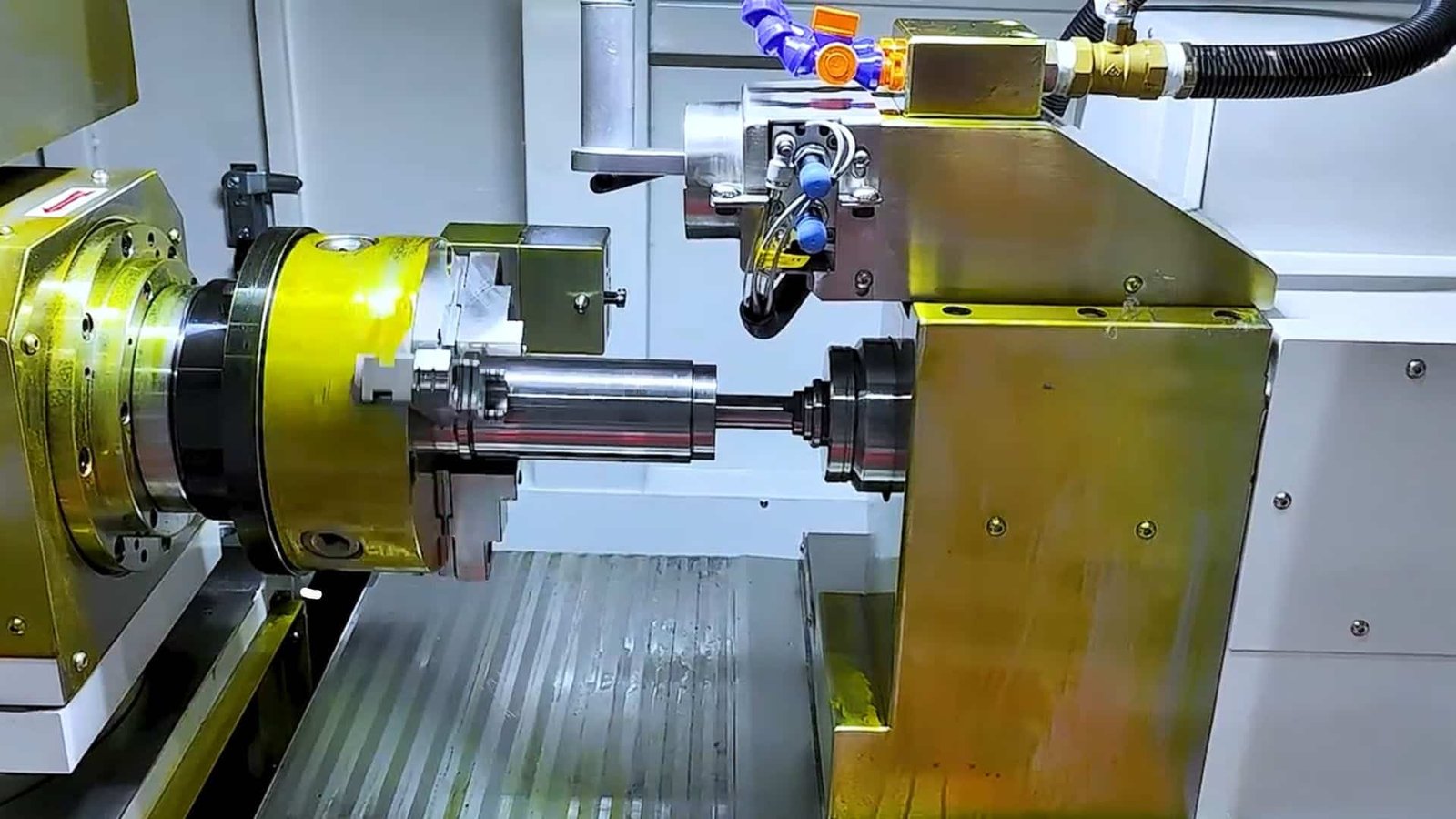
So, you now have a basic idea of what a CNC internal grinding machine is. But to truly grasp its capabilities and how it can benefit your operations, we need to look a bit closer. It’s important to understand the machine’s core elements and how they contribute to its performance. Let’s explore its key parts and how they work together, which will help you see why this technology is so valuable for many manufacturing tasks.
What are the Key Components and Functionality of a CNC Internal Grinding Machine?
Confused by the complex parts of an internal grinder? Not knowing them makes it hard to understand its full power. Let’s break down the essential components clearly and see how they function.
Key components include the machine bed, workhead (or headstock) for holding the workpiece, a wheelhead housing the spindle and grinding wheel, a dressing device for wheel maintenance, and the all-important CNC control system for precise automation.
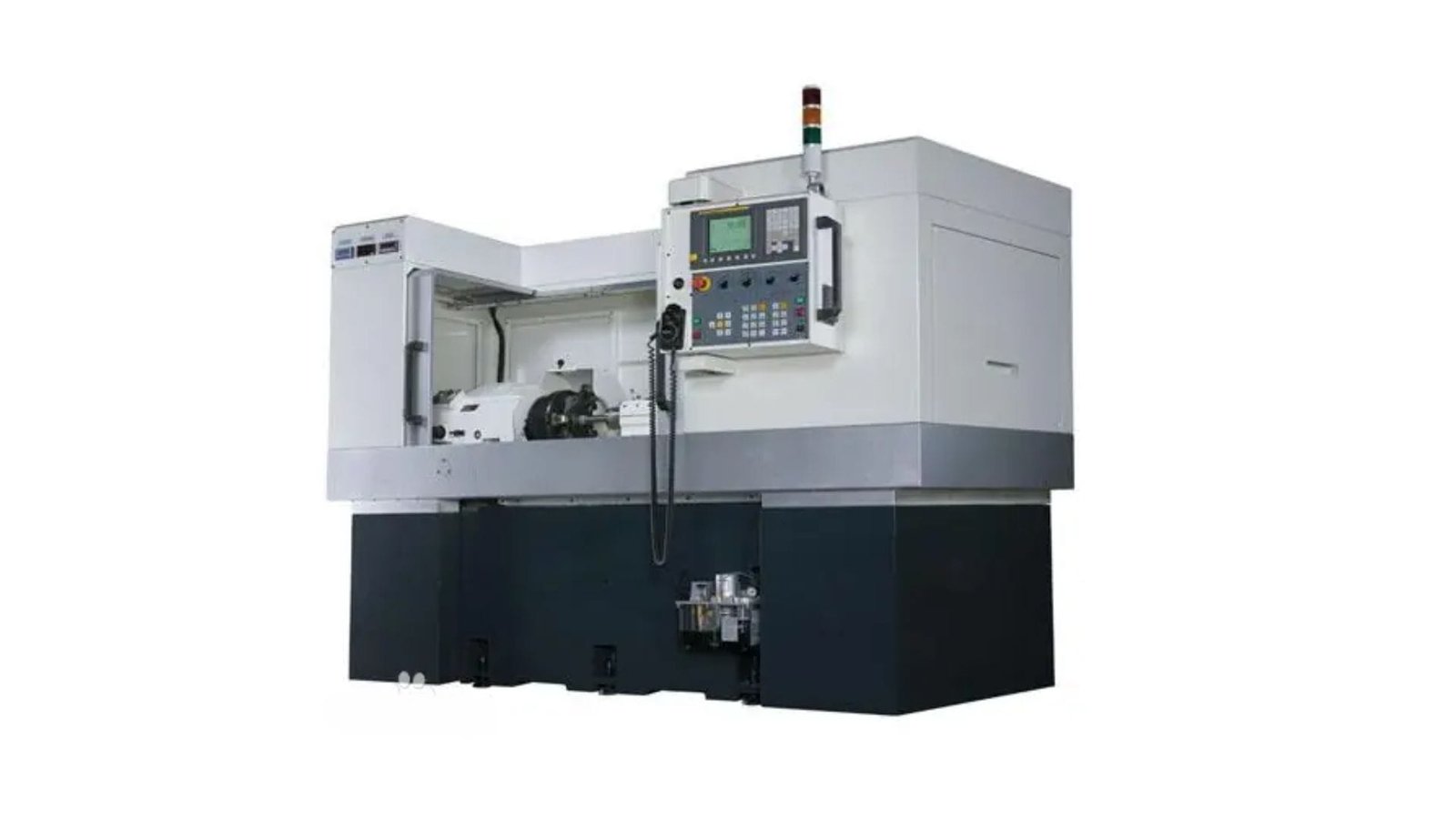
The machine starts with a solid machine bed1. This is the foundation, providing the rigidity needed to absorb vibrations and ensure ultra-high precision. On this bed, you’ll find the workbench or table that supports the workpiece holding fixtures.
The workhead (often called a headstock) is crucial. It securely grips the workpiece using chucks or custom fixtures and rotates it at a controlled speed. For some longer parts, a tailstock might be used for additional support.
Then there’s the wheelhead. This assembly contains the high-speed spindle that holds and rotates the grinding wheel. The grinding wheel itself is the cutting tool, made of abrasive materials selected for the job. The wheelhead also provides the precise linear and sometimes rotational (B-axis) movements for the grinding wheel inside the bore.
A vital, though sometimes overlooked, component is the dressing device2. This unit uses a diamond tool to reshape and sharpen the grinding wheel, removing worn grains and embedded material. This is essential for maintaining consistent grinding performance and surface finish.
And finally, the CNC control system3. This is the brain of the machine. It interprets the programmed instructions and precisely coordinates all the movements of the workhead, wheelhead, and other auxiliary functions like coolant delivery and dressing cycles. This level of automation is what allows for micron-level accuracy.
How Do CNC Internal Grinding Machines Differ from Other Grinding Machines?
So many grinders out there! Which one is specifically for your internal work? Choosing the wrong one can waste a lot of time, material, and money, a lesson I’ve seen learned the hard way by some workshops before they came to us. Let’s see how internal grinders stand out.
CNC internal grinders are uniquely designed to finish inner surfaces like bores. Other grinders, such as surface grinders (for flats), cylindrical grinders (for external rounds), and centerless grinders (for high-volume external rounds without chucking), serve different purposes.
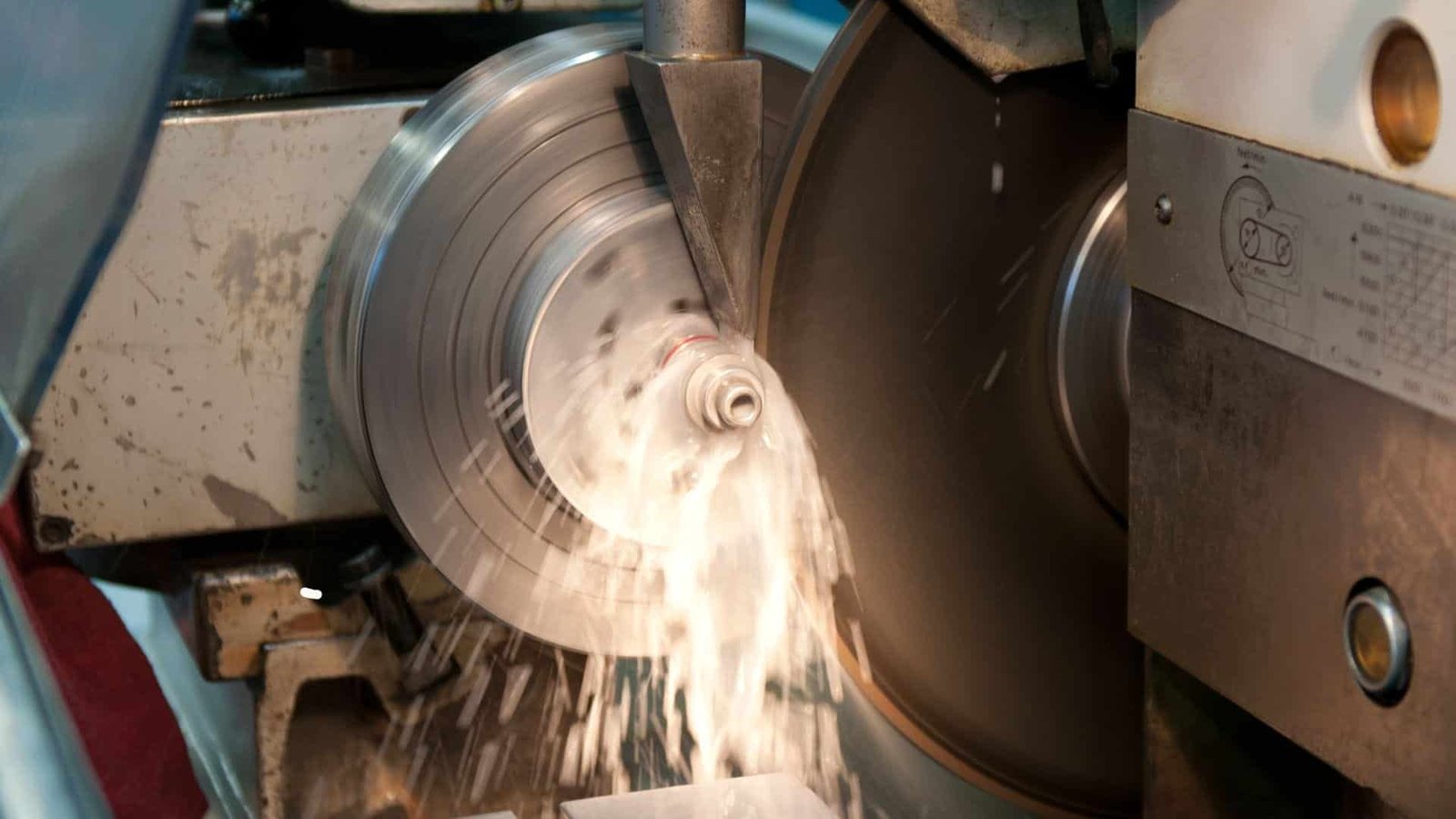
Here’s a table that summarizes the key differences, based on the comprehensive knowledge we’ve built at J&M Machine Tools:
| Feature | Internal Grinder | Surface Grinder | Centerless Grinder | Cylindrical/External Grinder |
|---|---|---|---|---|
| Definition | A grinding machine4 for processing internal surfaces5 of workpieces (e.g., bores, tapered holes, internal formed surfaces). | A grinding machine for processing flat surfaces of workpieces (e.g., planes, grooves). | A grinding machine where the workpiece is supported by a workrest blade, grinding wheel, and regulating wheel, and ground on its outer diameter without centers or chucks. | A grinding machine for processing external surfaces of workpieces (e.g., external cylinders, tapers, shoulders, formed external surfaces). |
| Working Principle | Workpiece rotates; a small-diameter grinding wheel rotates at high speed and is fed axially/radially into the workpiece’s interior. | Workpiece is fixed on a table (reciprocating or rotary); the grinding wheel (periphery or face) rotates and grinds the surface. | Workpiece rests on a workrest blade and rotates between a high-speed grinding wheel and a slower, co-directional regulating wheel, which controls workpiece rotation and axial feed (through-feed). | Workpiece rotates about its own axis (typically held by centers or a chuck); a high-speed grinding wheel is fed radially and/or traversed axially (or form ground) against the external surface. |
| Workpiece Types | Bores, internal tapered surfaces, internal stepped bores, internal formed surfaces (e.g., raceways). | Flat surfaces, parallel surfaces, stepped surfaces, grooves, guideways. | Cylindrical parts (solid or hollow rods/tubes), external tapered surfaces (end-feed), simple external formed surfaces (in-feed). | External cylindrical surfaces, external tapered surfaces, shoulders, faces (some models), formed external surfaces (e.g., camshafts, crankshafts). |
| Core Difference vs Others | Processes internal surfaces. | Processes flat surfaces. | Centerless support, efficient OD grinding. | Centered/chucked support, high-precision OD and complex external profile grinding. |
While jig grinders also work on precise holes, they are often focused on contouring in tool and die making, and may not always offer the same specialized internal surface finish capabilities as a dedicated CNC internal grinder for production volumes. The key takeaway is that CNC internal grinders are masters of the inner domain, built to tackle the unique challenges of grinding inside a workpiece to create features that other grinding machines simply aren’t designed for.
How does CNC Internal Grinding Achieve High Precision and Surface Finish in Bores?
Need absolutely perfect internal finishes and incredibly tight tolerances for your parts? Achieving this consistently by manual means is a major challenge, if not impossible. CNC internal grinding offers the reliable solution.
CNC internal grinding achieves high precision through rigid machine construction, precise CNC control of wheel and workpiece movements, specialized small grinding wheels, optimized grinding parameters, effective coolant use, and regular wheel dressing, often automated.
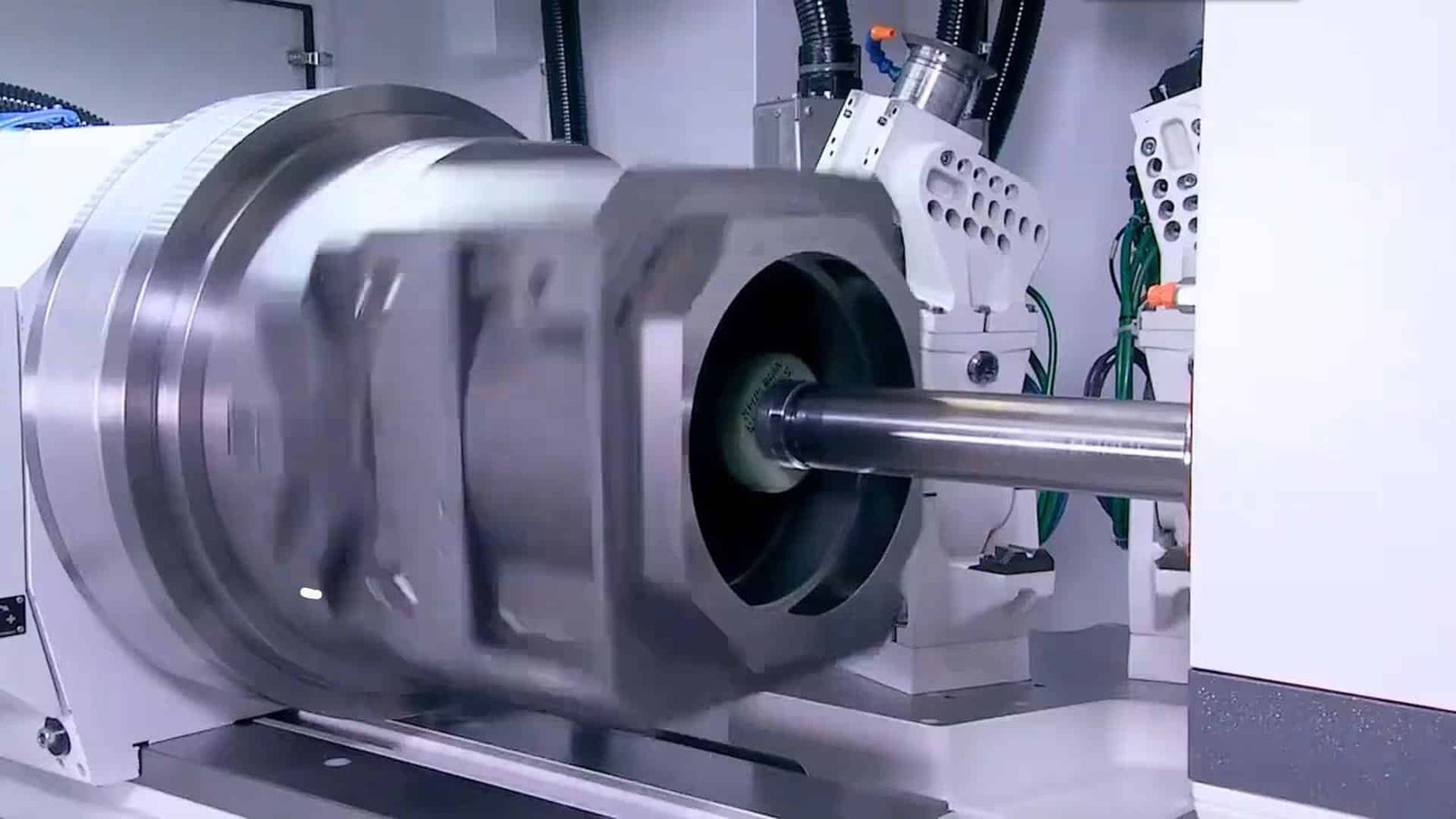
Achieving that mirror-like finish, often with surface roughness below 1 micrometer (Ra), and micron-level dimensional accuracy inside a bore isn’t by chance. It’s a result of several factors working together.
First, the CNC control6 is paramount. It allows for exact programming and execution of the grinding wheel’s path, speed, and feed rates. This ensures consistent and repeatable results, far beyond manual capability. The system can also often compensate for tiny amounts of wheel wear during a cycle.
Second, the grinding wheel itself is chosen carefully. Abrasives like aluminum oxide, silicon carbide, or even superabrasives like CBN or diamond are selected based on the workpiece material. Finer grit wheels are generally used for finishing passes to achieve smoother surfaces.
Third, consistent spindle speeds and feed rates7 are maintained by the CNC. Uniform speeds prevent uneven material removal and reduce the chance of vibrations or surface irregularities. High spindle speeds, often many thousands of RPM, are common for the small diameter wheels used.
Fourth, effective coolant or lubricant is essential. This fluid serves multiple purposes: it cools the grinding zone to prevent thermal damage to the workpiece and wheel, it reduces friction, and it flushes away grinding debris (swarf) which could otherwise mar the surface.
Finally, automatic wheel dressing is a critical feature on most modern CNC internal grinders. The dressing device, as mentioned earlier, reshapes and sharpens the grinding wheel at programmed intervals. This ensures the wheel maintains its cutting efficiency and profile, which is vital for holding tight tolerances and consistent surface finish over long production runs.
What Types of Workpieces are Best Suited for CNC Internal Grinding?
Unsure if CNC internal grinding is the right process for your specific parts? Using the wrong manufacturing method can lead to poor results, wasted resources, and missed deadlines, a common concern we address for new clients. Let’s identify the ideal workpieces.
Workpieces best suited for CNC internal grinding include those requiring precise internal cylindrical, tapered, or complex bores with tight tolerances and fine surface finishes. Examples include bearing races, hydraulic cylinders, engine components, and medical devices.
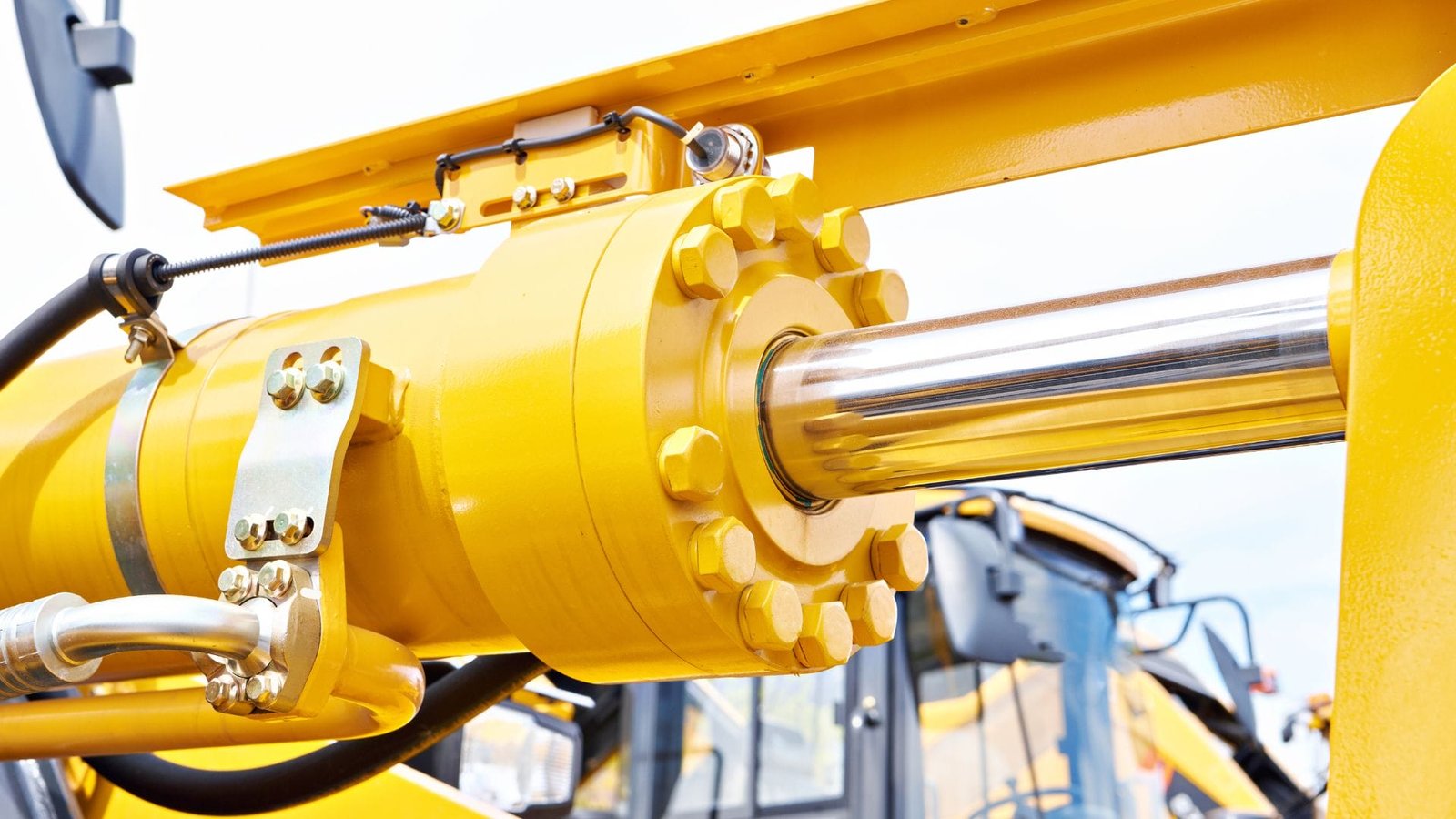
Think about bearing races8, where the roundness and surface finish of the inner track are vital for performance and lifespan. Hydraulic cylinders and valve bodies need precisely ground bores for effective sealing and smooth operation. In the automotive sector, many engine components9 like cylinder liners, connecting rod big ends, and piston pin bores rely on internal grinding10 for their demanding tolerances.
The process is also excellent for gear shafts where internal splines or precision bores are needed, and for industrial nozzles and sleeves where the internal profile affects flow or wear. Even medical device components, like parts of surgical instruments or implants, often require the high precision and biocompatible finishes achievable with internal grinding.
Materials can range from hardened steels and high-strength alloys (like stainless steel or Inconel) to more exotic or brittle materials like ceramics, carbides, or even optical glass in some specialized applications. If your part has an internal diameter that needs to be perfectly round, straight, have a specific taper, or even a complex internal profile, CNC internal grinding is very often the best, if not the only, way to achieve it efficiently and accurately.
Conclusion
CNC internal grinding machines are indispensable for high-precision internal bore finishing. They deliver exceptional accuracy, surface quality, and repeatability, boosting productivity for critical components across many demanding industries worldwide.
-
Understanding the role of the machine bed can enhance your knowledge of precision machining and its components. ↩
-
Learning about dressing devices can help you appreciate their role in maintaining grinding performance and tool longevity. ↩
-
Exploring CNC control systems will deepen your understanding of automation in machining and its impact on accuracy. ↩
-
Discover the different types of grinding machines and their specific applications in manufacturing processes for better insights. ↩
-
Learn about the techniques and technologies used to achieve high-quality finishes on internal surfaces in various applications. ↩
-
Explore this link to understand how CNC control enhances precision and efficiency in machining processes, crucial for achieving high-quality finishes. ↩
-
Discover the significance of maintaining consistent spindle speeds and feed rates for optimal machining performance and surface quality. ↩
-
Understanding bearing races is crucial for optimizing machinery performance and lifespan. Explore this link to learn more about their significance. ↩
-
Engine components are vital for vehicle performance. Learn about the precision machining required for these parts to ensure reliability. ↩
-
Internal grinding is key for achieving precision in various components. Discover its applications and benefits in manufacturing processes. ↩

Chris Lu
Leveraging over a decade of hands-on experience in the machine tool industry, particularly with CNC machines, I'm here to help. Whether you have questions sparked by this post, need guidance on selecting the right equipment (CNC or conventional), are exploring custom machine solutions, or are ready to discuss a purchase, don't hesitate to CONTACT Me. Let's find the perfect machine tool for your needs.