

How to Choose Between Pneumatic Chuck and Hydraulic Chuck for CNC Lathe?
Investing in a new CNC lathe requires rigorous evaluation. If you specify the wrong chuck during the planning phase, even a top-tier machine cannot deliver its full potential. Choosing the correct workholding system from day one is critical to maximizing your return on investment and ensuring long-term production stability.
A hydraulic chuck uses pressurized oil to provide massive clamping force for heavy cutting and high precision. A pneumatic chuck uses compressed air to deliver extreme speed and clean operation. You choose the chuck based exactly on your part weight, cutting force, and daily production volume.
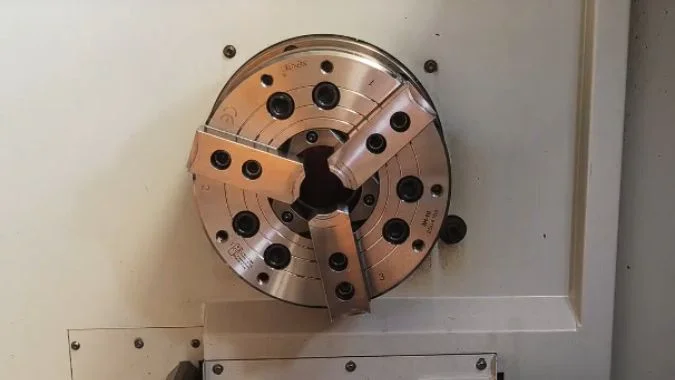
Both hydraulic and pneumatic chucks offer distinct advantages depending on your specific application. Rather than diagnosing workholding issues after production begins, it is far more effective to align the technology with your operational goals during the initial equipment specification. Let’s examine the precise technical differences between these two systems to help you make a data-driven choice for your turning operations.
What Are the Differences in Clamping Force Between Pneumatic and Hydraulic Chucks?
When planning processes for heavy cuts on tough alloys, the stability of your clamping force1 dictates both operational safety and surface quality. Understanding the physical differences in power delivery helps your engineering team match the most reliable workholding solution to high-stress machining tasks.
A hydraulic chuck uses incompressible oil at high pressure to deliver massive and stable clamping force. A pneumatic chuck uses compressible air at lower pressure, resulting in weaker clamping force. You use hydraulic systems for heavy metal and pneumatic systems for light metal.
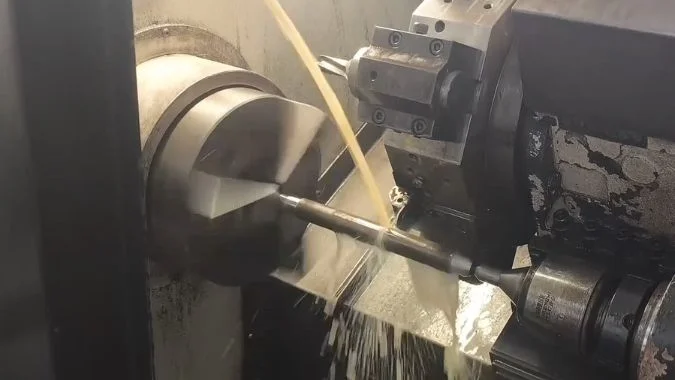
The physical power source changes everything. A hydraulic chuck uses thick hydraulic oil2. The pump pushes this oil to 3.5 MPa or higher. Oil does not compress. This creates a massive and completely stable grip on your workpiece. The hydraulic system transfers power efficiently with minimal loss. It provides excellent vibration damping3. You cut heavy mold steel or large aerospace shafts. The hydraulic system holds the part perfectly still. The cutting tool never pushes the part away. A pneumatic chuck works very differently. It uses regular shop air4. The air pressure only reaches 0.4 to 0.6 MPa. Air compresses easily. This compressible gas makes the grip less stable. The air pressure fluctuates during the day. The clamping force drops. You can buy a high-performance pneumatic chuck. It reaches 59 kN of force. It still cannot match the heavy grip of oil. You must use pneumatic chucks only for light cutting. You need the air grip to be 1.3 times the weight of your part.
| Power Source | Hydraulic Chuck System | Pneumatic Chuck System |
|---|---|---|
| Fluid Type | Thick hydraulic oil | Regular shop air |
| Compressibility | Does not compress at all | Compresses very easily |
| System Pressure | Very high (3.5 MPa) | Very low (0.4 to 0.6 MPa) |
| Best Material | Heavy steel and tough alloys | Light aluminum and plastics |
Why Is a Pneumatic Chuck More Efficient Than a Hydraulic Chuck for High-Volume Production Line?
In high-volume automated manufacturing, shaving fractions of a second off cycle times translates to significant annual gains. Evaluating jaw movement speed5 and system complexity is essential for maximizing your production line’s Overall Equipment Effectiveness (OEE)6.
A pneumatic chuck opens and closes in 0.3 seconds. A hydraulic chuck takes up to one full second. The air chuck eliminates complex oil pumps and pipes. This makes the air chuck the fastest choice for high-volume automated production lines.
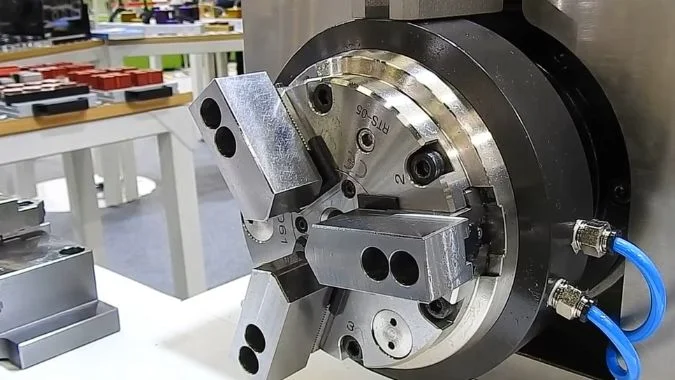
Seconds equal money in high-volume production. A pneumatic chuck runs incredibly fast. The compressed air moves the jaws in just 0.3 seconds. A hydraulic chuck uses thick oil. The thick oil moves slowly through the pipes. The oil system needs 0.5 to 1.0 seconds to move the jaws. You make ten thousand parts a day. This tiny time difference adds up to hours of lost production. A pneumatic chuck makes your factory floor much simpler. It uses your existing shop air. You do not need to buy a dedicated hydraulic power unit. You do not need messy oil hoses. This clean design works perfectly with robotic loading arms. You press one button. The automatic centering structure grabs the part instantly. You reduce your job setup time by twenty to sixty percent. You use the air chuck for large batches of small car parts. You keep your medical and food factories perfectly clean. You enjoy lower operating costs every single day.
| Efficiency Factor | Pneumatic Chuck System | Hydraulic Chuck System |
|---|---|---|
| Jaw Movement Time | 0.3 seconds | 0.5 to 1.0 seconds |
| Setup Time | Very fast automated setup | Takes much longer to adjust |
| Equipment Needed | Existing shop air hose | Dedicated hydraulic power unit |
| Factory Cleanliness | Perfectly clean operation | Messy fluid leaks possible |
Which Chucking System Offers Better Precision and Repeatability for High-Accuracy CNC Turning?
Machining strict-tolerance aerospace or medical components leaves no room for error. Micro-vibrations or slight shifts under load will quickly compromise your yield. Selecting the system with superior vibration damping and long-term positional repeatability7 is a mandatory step for high-accuracy operations.
A hydraulic chuck offers superior precision and repeatability for high-accuracy CNC turning. The incompressible oil provides a completely solid grip and excellent vibration damping. The constant high pressure stops the part from moving during heavy cutting. You must use oil power for strict tolerances.
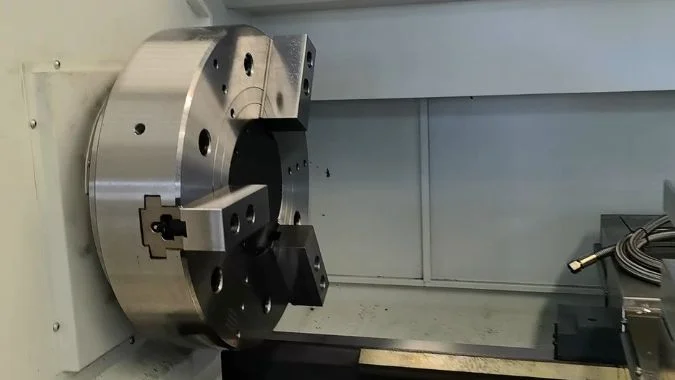
Precision requires absolute stability. The hydraulic chuck wins the precision test easily. It uses heavy oil pressure. The oil cannot compress at all. The pump keeps the pressure exactly the same all day long. You load a part. The jaws clamp down perfectly. The solid grip provides superior vibration damping. This damping improves your surface finish greatly. It also extends your cutting tool life. The hydraulic chuck gives you ultimate control over runout. You achieve positional repeatability under 0.01 millimeters. You load the next part. The jaws hit the exact same spot. This gives you perfect repeat positioning accuracy. The pneumatic chuck struggles with high precision work. The factory air pressure goes up and down. Other machines use the shop air. Your air pressure drops suddenly. The air gas compresses under cutting loads. The part pushes back against the jaws. The jaws move a tiny bit. This tiny movement ruins your tight tolerance. You must use the hydraulic chuck for precision aerospace parts and medical devices.
| Precision Factor | Hydraulic System | Pneumatic System |
|---|---|---|
| Clamping Stability | Completely solid grip | Can shift slightly under load |
| Vibration Damping | Excellent absorption | Poor absorption |
| Repeat Accuracy | Under 0.01 millimeters | Less consistent over time |
| Best Application | Precision aerospace parts | General round components |
What Are the Differences in Maintenance Requirements Between Hydraulic and Pneumatic Chucks?
A chuck’s true cost extends far beyond the initial purchase; it includes long-term maintenance and potential downtime. Understanding the specific environmental demands of each system allows your maintenance team to implement effective preventive care8 and keep operations running smoothly.
A pneumatic chuck requires daily grease and clean air, but it never leaks oil. A hydraulic chuck requires clean oil, temperature checks, and seal inspections to prevent leaks. Both chucks require a full teardown and deep cleaning every six months.

Bad maintenance destroys good machines. The pneumatic chuck is very easy to manage. You just pump molybdenum disulfide grease into it every single day. You pump until the grease pushes out of the front face. You must keep your shop air very clean. You check the air filters regularly. You drain the moisture from the air lines. The dry air protects the rubber seals. The air chuck has a simple inside structure. It locks safely even if the air hose breaks. The hydraulic chuck needs much more care. You must keep dirt out of the hydraulic power unit. You service the oil pump and filters regularly. You check the oil temperature often. Hot oil over 50 degrees Celsius ruins the rubber seals. Broken seals leak oil all over your clean floor. Both chuck types need a deep cleaning9 every six months. You cut cast iron parts. The iron dust is terrible. You must take both chucks apart and clean them every two months.
| Maintenance Task | Pneumatic Chuck System | Hydraulic Chuck System |
|---|---|---|
| Daily Task | Pump grease daily | Check oil temperature |
| Power Supply Care | Drain moisture from air | Change dirty fluid |
| Deep Cleaning | Every six months | Every six months |
| Failure Risk | Safe lock if air stops | Messy oil leaks break seals |
Conclusion
Choose a hydraulic chuck for heavy cuts and tight tolerances. Pick a pneumatic chuck for fast production and clean operation. Match the chuck to your exact daily work.
-
Gain insights on achieving optimal clamping force to improve part stability, reduce runout, and enhance machining performance. ↩
-
Explore how non-compressible hydraulic oil ensures consistent grip strength and precision in demanding machining environments. ↩
-
Learn how effective vibration damping extends tool life, improves surface finish, and maintains tight tolerances in your parts. ↩
-
Discover the impact of air quality and pressure stability on pneumatic chucks for reliable, fast, and clean machining. ↩
-
See how optimizing jaw actuation speeds can trim seconds off each cycle, boosting throughput in high-volume production. ↩
-
Understand the OEE metric to monitor machine performance, minimize downtime, and drive continuous improvement in manufacturing. ↩
-
Delve into methods for testing and ensuring positional repeatability to achieve sub-0.01 mm accuracy in aerospace and medical parts. ↩
-
Learn maintenance routines like filter checks and seal inspections to avoid breakdowns and costly downtime on your shop floor. ↩
-
Discover best practices for deep cleaning schedules to remove debris, maintain sealing surfaces, and prolong chuck lifespan. ↩

Chris Lu
Leveraging over a decade of hands-on experience in the machine tool industry, particularly with CNC machines, I'm here to help. Whether you have questions sparked by this post, need guidance on selecting the right equipment (CNC or conventional), are exploring custom machine solutions, or are ready to discuss a purchase, don't hesitate to CONTACT Me. Let's find the perfect machine tool for your needs.