

What are the Spindle Speed Control Methods of CNC Machining Centers?
Struggling to get the right spindle speed for your CNC jobs? Incorrect RPMs can lead to poor finishes, broken tools, and lost time. Understanding speed control methods helps optimize your machine’s performance.
CNC spindle speed is mainly controlled via programmed ‘S’ commands (e.g., S1000 for 1000 RPM) interpreted by the control, often using a Variable Frequency Drive (VFD) for smooth adjustment. Some systems use M-codes for speed ranges or Constant Surface Speed (CSS) for turning.
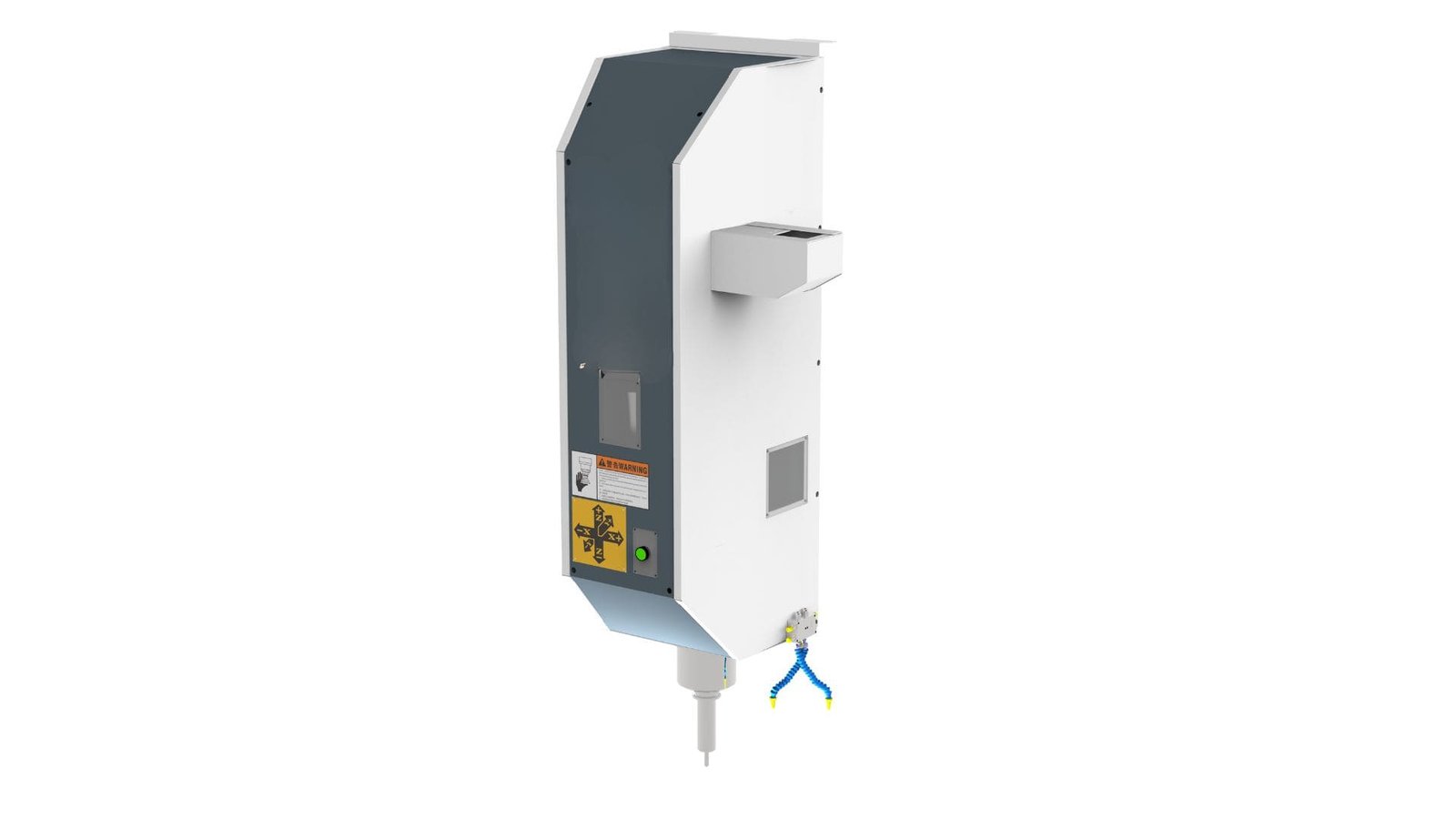
Knowing how speed is commanded is important, but this control is applied differently depending on the physical construction of the spindle itself. The type of spindle drive significantly impacts how these methods work and the machine’s overall capabilities.
What are the Types of Spindles in CNC Machining Centers?
Confused by terms like belt-driven, gear-driven, or electric spindles? Choosing the wrong type can limit your machine’s speed, torque, and accuracy, potentially hindering your production capabilities and job suitability.
Common CNC spindle types include belt-driven (cost-effective), gear-driven (high torque), direct-drive/electric spindles (high speed, precise), alongside variations like high-speed, low-speed, milling, or grinding-specific spindles designed for particular tasks.
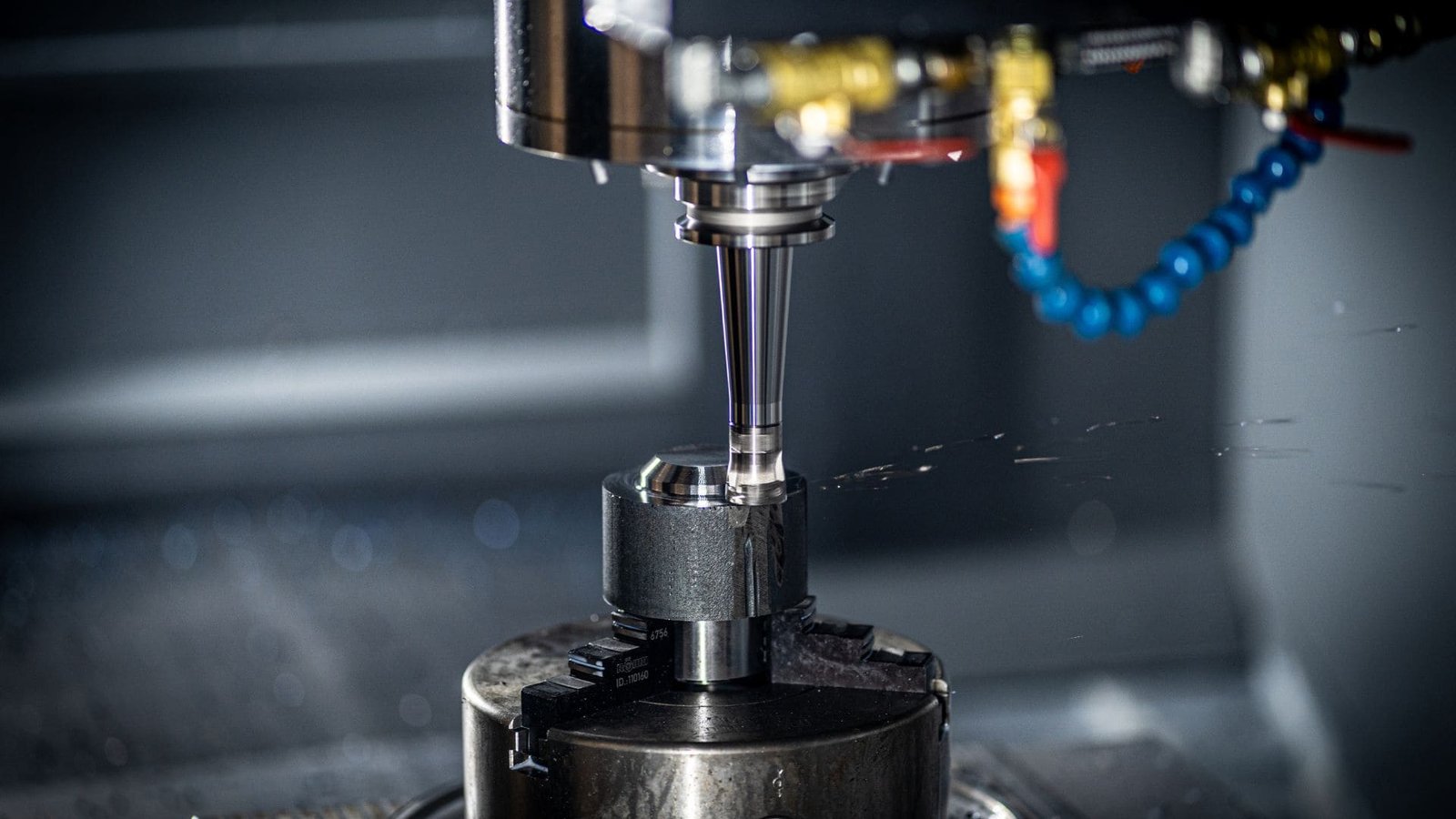
At J&M Machine Tools, we see how spindle type dictates performance. Your research confirms the main categories:
-
Gear-Driven Spindles1
These use transmission gears between the motor and spindle. This setup multiplies torque, especially at low speeds, making it ideal for heavy cutting in tough materials. Gear changes (often 1-4 ranges) are typically automated via hydraulics or electromagnetic clutches controlled by the PLC, allowing segmented stepless speed control when combined with motor speed variation. They provide high torque but can introduce noise and vibration, and top speeds are usually limited.
-
Belt-Driven Spindles2
A motor connects to the spindle via a belt (V-belt or synchronous). This is a common, cost-effective design balancing performance and price. It isolates some motor vibration but belts can stretch, slip, limit top speed (compared to direct-drive), and require maintenance (tensioning, replacement). Good for general machining and applications where extreme speed or rigidity isn’t paramount.
-
Direct-Drive Spindles3 (Integrated Motor/Electric Spindles)
Here, the motor is built directly into the spindle assembly, eliminating belts and gears. This offers the highest potential speeds (often 20,000 RPM or much more), fastest acceleration/deceleration, excellent accuracy due to high rigidity and minimal vibration. They are increasingly preferred for high-speed machining and precision work. Managing the heat generated by the integrated motor is critical.
-
Other Classifications
Spindles can also be broadly categorized by speed (high-speed vs. low-speed) or application (milling, turning, grinding), often aligning with one of the drive types above.
How Do Direct-Drive Spindles Offer Advantages in Speed and Accuracy Over Belt-Driven Types?
Choosing between direct-drive and belt-driven spindles feels complex? Selecting the wrong one can limit your machine’s top speed, responsiveness, and ultimate machining accuracy for demanding, high-precision jobs.
Direct-drive spindles provide higher speeds, faster acceleration/deceleration, and better accuracy because the direct motor connection eliminates belt stretch, slip, vibration, and transmission losses, resulting in higher rigidity and efficiency.
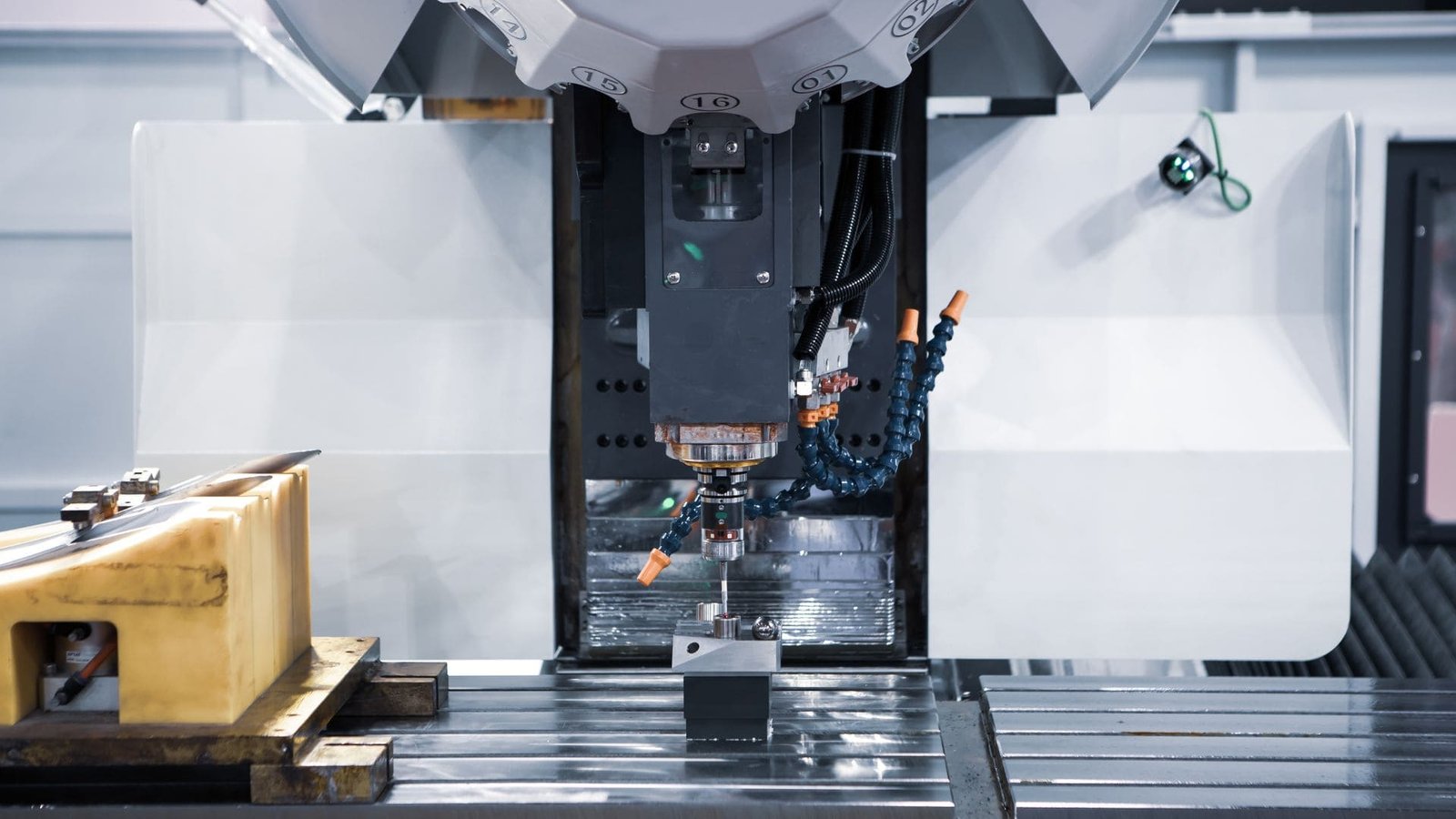
The connection method is key. Direct-drive excels in performance-critical areas4:
| Aspect | Direct-Drive Spindles | Belt-Driven Spindles |
|---|---|---|
| Speed Capability | Very High (e.g., 20k+ RPM), Fast Accel/Decel | Moderate to High, Limited by belt system, Slower Accel/Decel |
| Accuracy | Excellent; Minimal vibration/backlash enhances precision. | Good; Potential belt stretch/vibration can affect repeatability. |
| Rigidity | High; No belt flex reduces deflection under load. | Lower; Belts can introduce flex, impacting rigidity. |
| Maintenance | Lower; Fewer moving parts (no belts/pulleys). | Higher; Requires belt tensioning, alignment checks, replacement. |
| Efficiency | Higher; Direct torque transmission minimizes energy loss. | Lower; Potential energy loss due to belt friction/slip. |
| Vibration | Reduced; Smoother operation, better surface finish possible. | Can be higher; May cause tool chatter, affecting finish. |
| Cost | Higher initial cost. | Lower initial cost. |
Belt-driven systems are proven and cost-effective for many tasks. However, for applications demanding top speed, rapid changes (like tapping), the highest precision, and superior surface finishes (common in aerospace or mold making), the advantages of direct-drive often justify the higher initial investment due to reduced vibration, better thermal stability (with cooling), and lower long-term maintenance needs.
Why is Spindle Cooling Important for Different Spindle Types?
Noticed your spindle getting hot during long runs or high-speed operation? Ignoring spindle temperature can lead to thermal expansion, accuracy loss, premature bearing failure, and costly downtime, regardless of the spindle type.
Spindle cooling is crucial because it removes generated heat, preventing thermal expansion that affects machining accuracy, maintaining optimal bearing temperatures to extend their life, and allowing sustained high-speed operation reliably across all spindle types.
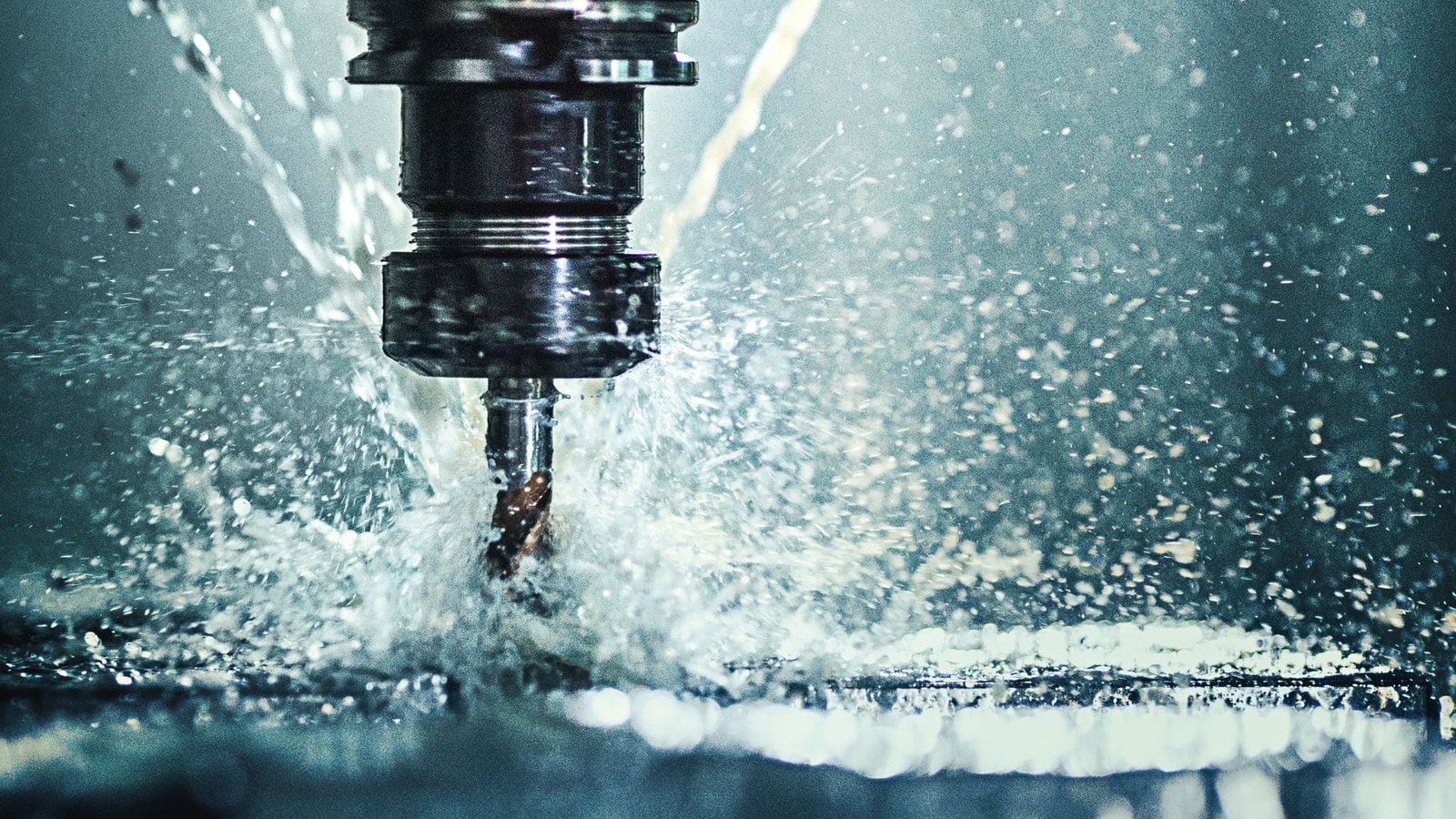
Heat comes from bearings, motors (especially integrated ones), and cutting. Managing it is non-negotiable for performance and longevity:
- Accuracy Preservation5: Heat causes components to expand (thermal growth). This changes the tool’s precise position, ruining tolerances. Cooling minimizes this drift, vital for precision work.
- Bearing Longevity6: Bearings have an optimal temperature range. Excessive heat breaks down lubricant and causes rapid wear, leading to failure. Cooling protects this critical component, extending spindle life significantly.
- Sustained Performance: High speeds generate substantial heat. Without effective cooling, spindles (particularly direct-drive) can’t run at peak RPMs for long without overheating, damage, or forced shutdowns. Cooling enables continuous high-performance operation.
- Reliability & Safety: A cool spindle runs more reliably, reducing unexpected failures. It also prevents extreme overheating which could pose safety risks.
Common methods include:
- Air Cooling: Uses fans or compressed air. Simpler, lower cost, suitable for less demanding applications or lower speed spindles.
- Liquid Cooling (Water/Oil)7: Circulates a temperature-controlled fluid through jackets in the spindle housing. Far more effective, essential for high-speed and high-power spindles, providing superior thermal stability.
- Coolant System Integration: Less common for primary spindle cooling, but machine coolant can sometimes assist. Dedicated closed-loop liquid systems are generally preferred for precise temperature control.
What Factors Should Impact Your Choice of Spindle Type When Selecting a CNC Machining Center?
Selecting a new CNC machine but overwhelmed by spindle options like BT30, BT40, or belt vs. direct drive? Choosing incorrectly means the machine might lack the speed, torque, or precision needed for your typical jobs and materials.
Key factors include the primary machining application (material, operation type), required speed/power/torque ranges, tool interface needs (taper size, coolant), cooling system effectiveness, maintenance, cost (initial vs. long-term), and machine compatibility.
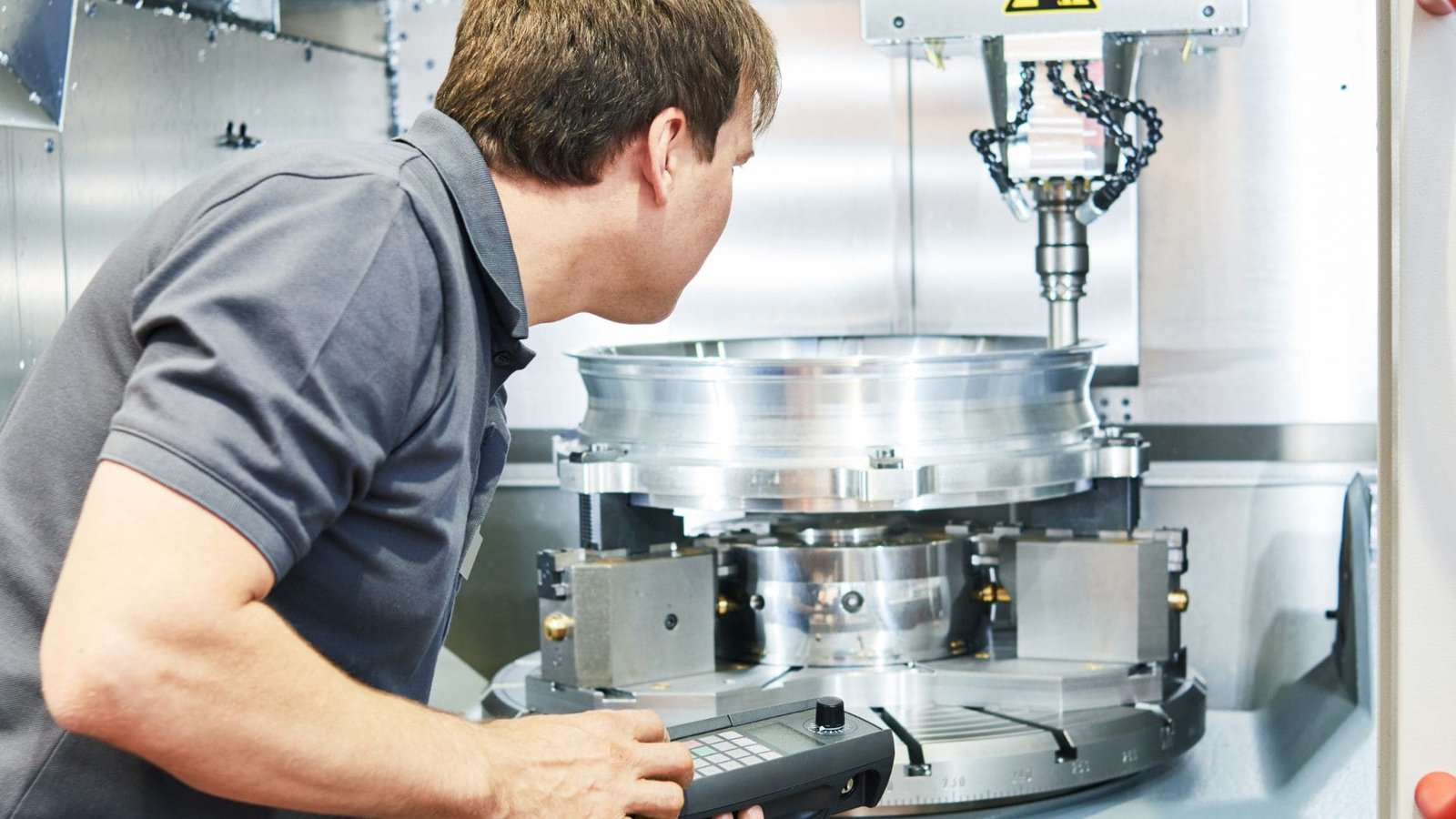
Matching the spindle to your work is critical. Consider these points:
| Factor | Description | Impact on Choice |
|---|---|---|
| Application/Material | Roughing steel vs. finishing aluminum? Milling, drilling, tapping, turning? | Determines required torque, speed range, and rigidity. |
| Spindle Speed & Power8 | Max RPM needed? Horsepower? Torque curve adequate at critical speeds? | High-speed needs favor direct-drive; heavy cuts need torque (geared/strong belt). |
| Spindle Type (Drive) | Belt-driven, gear-driven, direct-drive. | Balancing cost, speed, precision, maintenance needs. |
| Cooling System9 | Air vs. Liquid effectiveness for expected duty cycle and speed. | High-speed/heavy use typically requires effective liquid cooling. |
| Tool Holding System | Taper size (BT30/40/50, HSK)? Through-spindle coolant required? | Must match tooling inventory and job requirements (larger taper = more rigidity). |
| Machine Compatibility | Spindle integration with machine structure and control system. | Ensures proper function and rigidity. |
| Maintenance & Longevity10 | Ease of service, parts availability, expected lifespan. | Direct-drive often lower maintenance; belt/gear need periodic checks. |
| Cost Considerations | Initial purchase price vs. total cost of ownership (maintenance, energy). | Balancing upfront budget with long-term value and performance. |
| Noise & Vibration | Impact on precision and work environment. | Direct-drive typically quieter and smoother. |
| Future Scalability | Will the spindle handle potential future work or upgrades? | Ensures long-term utility of the investment. |
For example, high-speed finishing of aluminum favors a direct-drive BT30/HSK spindle with liquid cooling. Heavy steel roughing might demand a gear-driven or robust belt-driven BT50. A general job shop might find a BT40 (belt or direct) offers the best versatility. Analyze your primary needs carefully.
Conclusion
Understanding CNC spindle control, the distinct types of spindles, the critical role of cooling, and the factors driving selection empowers you to choose and utilize your machining center effectively for optimal results and durability.
-
Explore the benefits of Gear-Driven Spindles for heavy cutting and torque multiplication in tough materials. ↩
-
Learn about the cost-effectiveness and performance balance of Belt-Driven Spindles for general machining applications. ↩
-
Discover why Direct-Drive Spindles are preferred for precision work and high-speed applications, offering minimal vibration and high accuracy. ↩
-
Discover what performance-critical areas are and how they impact manufacturing efficiency and quality. ↩
-
Learning about accuracy preservation can help you improve precision in your machining operations, leading to better product quality. ↩
-
Understanding how to maintain bearing longevity is crucial for preventing costly failures and ensuring smooth operation in machinery. ↩
-
Exploring liquid cooling methods can enhance your knowledge of effective thermal management in high-performance applications. ↩
-
Understanding spindle speed and power is crucial for maximizing machining efficiency and achieving desired results. Explore this resource for expert insights. ↩
-
The cooling system plays a vital role in maintaining tool life and machining performance. Discover how to choose the right system for your needs. ↩
-
Proper maintenance is key to extending the lifespan of machine spindles. Learn effective practices to keep your equipment running smoothly. ↩

Chris Lu
Leveraging over a decade of hands-on experience in the machine tool industry, particularly with CNC machines, I'm here to help. Whether you have questions sparked by this post, need guidance on selecting the right equipment (CNC or conventional), are exploring custom machine solutions, or are ready to discuss a purchase, don't hesitate to CONTACT Me. Let's find the perfect machine tool for your needs.