

Blog
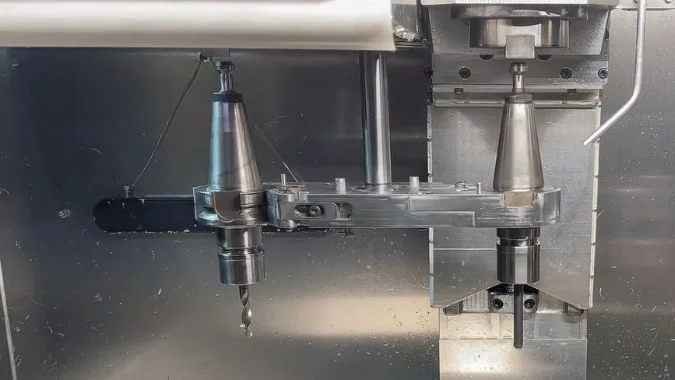
How to Read Tool-to-Tool Time and Chip-to-Chip Time on a VMC Spec Sheet?
Two seconds on the spec sheet look fast. The part still waits for a real tool change. The two times on the sheet must be read apart. A VMC spec...
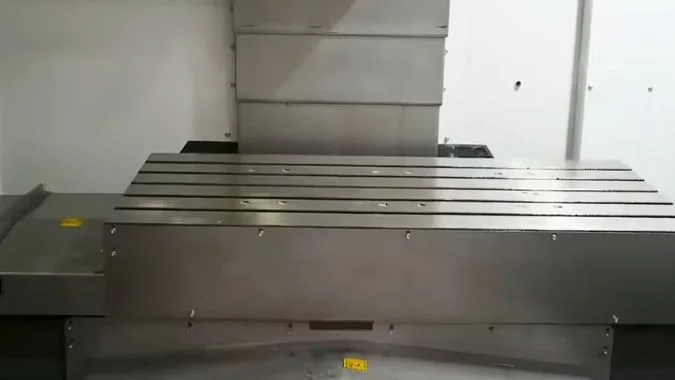
How Does Table Size Limit the Cutting Capability of a VMC?
A workpiece can sit on a VMC table but remain outside the cut. That mismatch wastes setups and time. Table size and travel must be checked as two limits. Table...
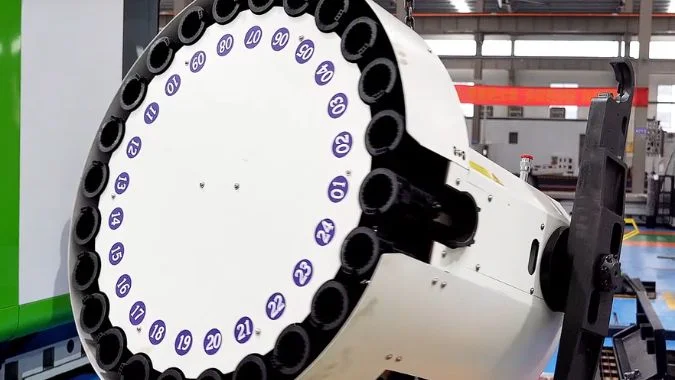
Why Does Tool Magazine Mismatch Increase Tool Change Time?
A fast spindle cannot protect cycle time when a mismatched tool magazine adds slow searches, long movements, vibration limits, and repeated safety waits. Tool magazine mismatch increases tool change time...
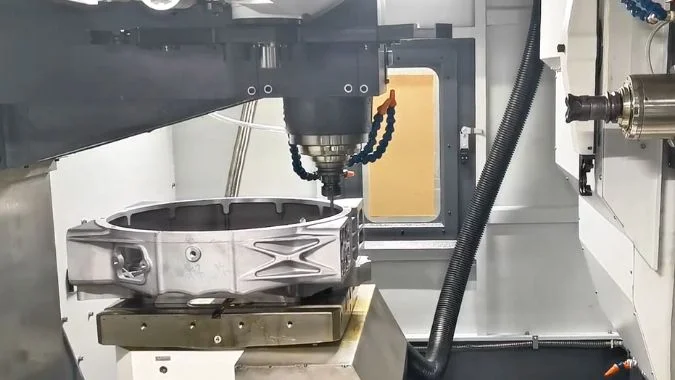
What Is a Vertical-Horizontal Machining Center?
Complex parts often need several machines and setups. Each new setup adds time, labor, and a higher risk of positioning errors. A vertical-horizontal machining center is a CNC machine tool...
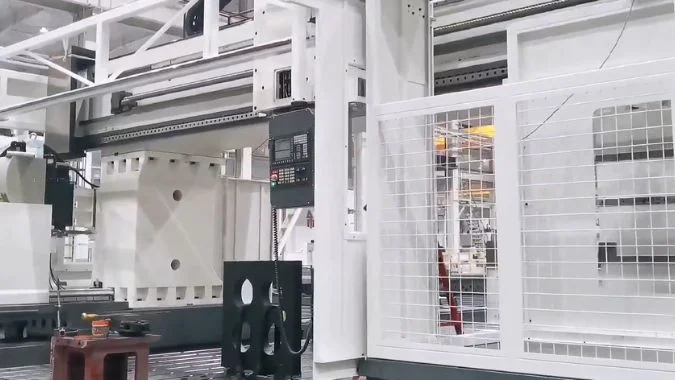
Why Is the Moving Beam GMC Suitable for Mass Production of Aluminum Alloys?
Slow acceleration, unstable accuracy, and poor chip removal can raise aluminum production costs. These problems become worse when a machine processes hundreds of parts. A moving-beam gantry machining center supports...
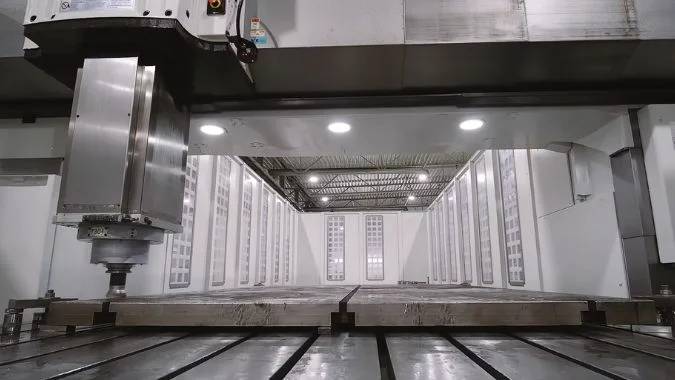
Why Is the Fixed-Beam GMC More Suitable for Machining Mold Steel?
Hardened mold steel creates high cutting resistance, heat, and chatter.1 An unstable gantry structure turns these forces into contour errors, damaged tools, and lengthy polishing work. A fixed-beam gantry machining...
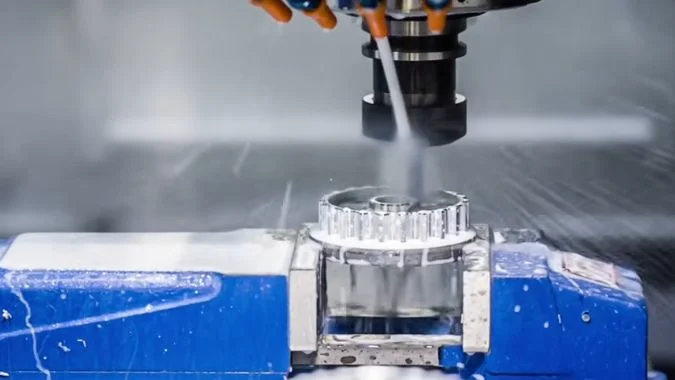
What Are the Differences Between Electric and Direct-Drive Spindles on CNC Milling Machines?
Although both "electric" and "direct-drive" spindles run on electricity, their internal designs cater to vastly different machining demands. Confusing built-in motorized units with coupled direct-drive systems often leads to buying...
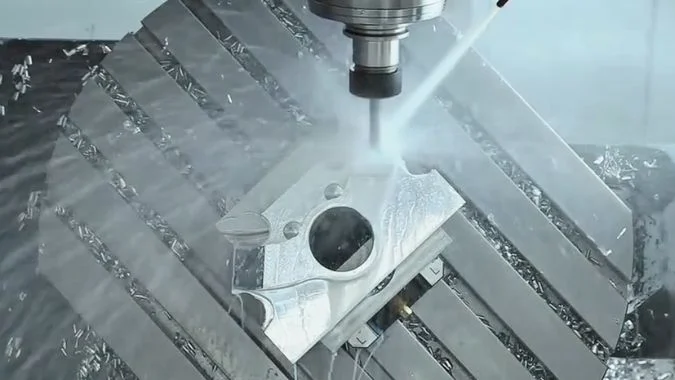
How to Choose the Right Cutting Fluid for a 5-Axis Machining Center?
High speeds, changing tool angles, and long coolant circuits place cutting fluids under severe stress. A poor match can cause corrosion, tool wear, foam, and downtime. The right cutting fluid...
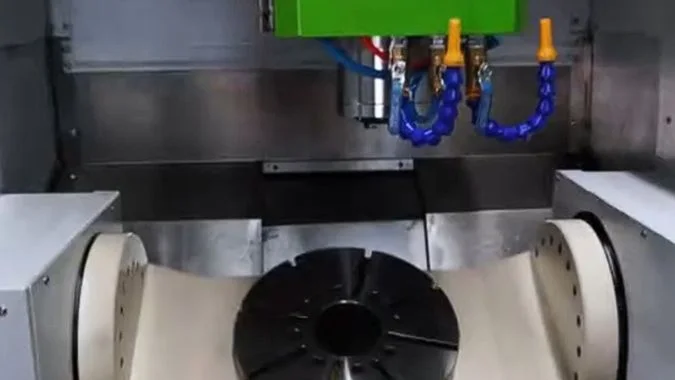
What Is the Meaning of “Fake Five-Axis” Achieved by 3+2 Axis CNC Milling Machines?
A five-axis label can create false expectations. Without understanding the actual motion mode, manufacturers may select equipment that cannot machine the required surfaces. “Fake five-axis” commonly describes 3+2 positioning machining....