

What Will Happen if the Tool Changer of High-Speed Tapping Center Is Inaccurately Positioned?
You hear a metallic crash during a tool change. The machine stops, and production halts. A misaligned magazine is not just an annoyance; it is a critical failure that destroys equipment.
Inaccurate tool changer positioning causes tool collisions, dropped tools, and damage to the spindle taper. It directly impacts machining precision, leading to scrapped parts and thread defects. It also creates safety hazards for operators due to flying debris or mechanical jamming.
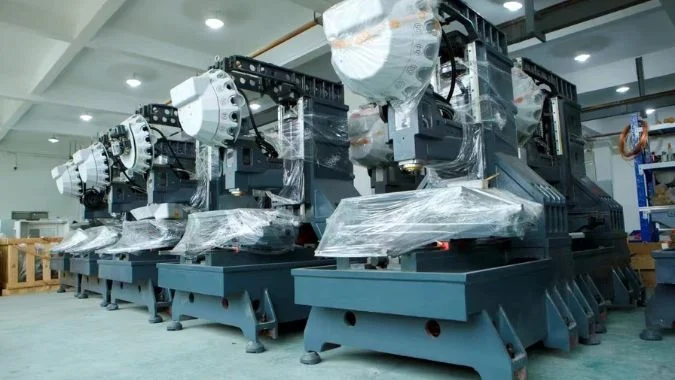
I have seen perfectly tapping centers ruined by neglected tool magazines. The tool changer is one of the important parts of the machine. If it doesn’t work right, the whole operation might fail. Let’s look at why this happens and how to fix it.
What Are the Reasons Make the Tool Changer of High-Speed Tapping Center Inaccurately Positioned?
You press the button, but the tool doesn’t load. The machine alarms out, leaving you frustrated and behind schedule. You need to understand the root cause.
Positioning errors usually stem from three main areas: mechanical wear like loose chains or worn pins, electrical faults such as drained encoder batteries or sensor failure, and poor maintenance involving chip buildup or low pneumatic pressure.
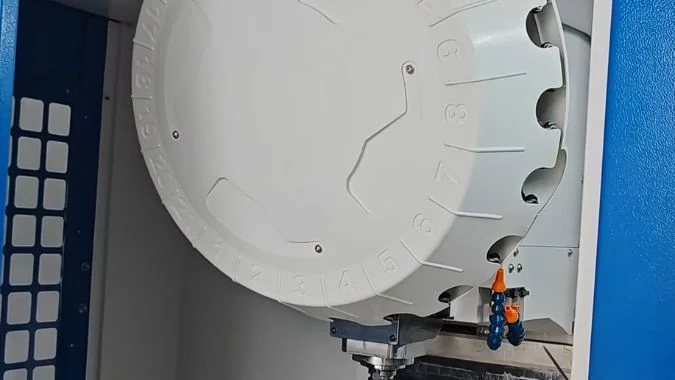
I usually categorize these positioning issues into three specific buckets: mechanical, electrical, and maintenance. If you understand these, you can find the root cause faster.
Mechanically, the system wears down. I often see loose transmission chains or worn positioning pins. If the gearbox lacks lubrication, the gears wear out, creating play in the movement. This means the magazine stops slightly off-center.
Electrically, the problems are often silent. The encoder battery1 might die (usually every 2 years), causing the machine to lose its origin data. Or, a sensor might come loose. If the sensor cannot detect the tool pot position accurately, the signal fails.
The most common reason, however, is maintenance negligence. Chips and dirt are the enemies of precision. If chips pile up on the guide rails or inside the tool holder spots, the tool cannot sit flat. Lack of cleaning leads to a gradual decline in accuracy.
Also, pay attention to the air pressure. If the pneumatic pressure2 fluctuates or drops below 0.4MPa, the cylinder moves too slowly or lacks force. This causes the arm to miss its timing. Using tools that are too heavy for the magazine specification also bends the arm and ruins alignment over time.
Can an Unstable Machine Foundation or Improper Leveling Cause Inaccurately Positioned?
You calibrated the machine yesterday, but today the alignment is off again. You are chasing ghost errors that won’t go away.
Yes, an unstable foundation or improper leveling causes structural twisting. This physical distortion shifts the relationship between the spindle and the magazine, resulting in persistent, hard-to-diagnose positioning errors and vibration issues.
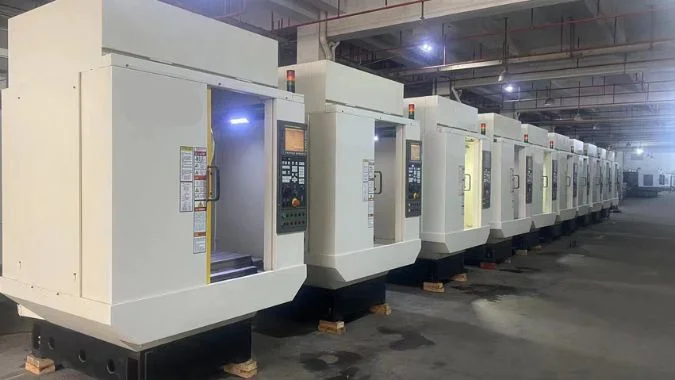
Many shop owners ignore the floor, but the foundation is critical. High-speed tapping centers3 are rigid, but they are not immune to physics. If your foundation is weak or not shock-proofed, the machine settles unevenly. This causes the bed and guide rails to twist slightly.
When the machine frame twists, the relative position between the tool magazine and the spindle changes. You might align it perfectly at the home position, but as the machine moves, that alignment disappears. This leads to tool change point offsets4.
Also, consider the initial installation. If you did not use a precision level, or if the leveling layer (like epoxy mortar) shrank unevenly, you introduced an "initial error." This error gets worse with vibration. If the foundation cannot absorb the vibration from a neighbor’s heavy press, that shaking transmits right into your tool changer. The servo system tries to compensate, but the mechanical shaking causes backlash and poor repeatability.
How We Do to Troubleshoot and Solve the Inaccurately Positioned?
You have a stopped machine and a looming deadline. You need a clear checklist to get running again without calling a technician.
Start by cleaning chips from the rails and checking air pressure (0.4-0.6MPa). Then, inspect mechanical chains for tension and sprockets for wear. Finally, calibrate electrical sensors and reset the tool magazine origin parameters.
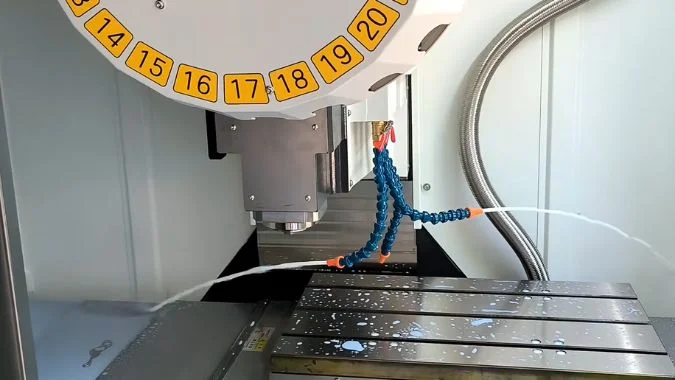
When I troubleshoot a machine at a client’s site, I follow a strict process. You should do the same.
First, do the basic checks. Clean everything. Remove oil and chips from the positioning pins, guide rails, and spindle taper. Check your air pressure5; it must be between 0.4 and 0.6 MPa. If the air is weak, the cylinder won’t push the tool all the way in. Manually rotate the magazine to check for jamming.
Second, look at the mechanics. For chain magazines, check the tension. The sag should be 10-15mm. If the sprocket teeth are worn down by more than 0.5mm, replace them. For gearbox types, check the oil. If it is black or caked, change it immediately.
Third, fix the electronics. Change the encoder battery if it is old. You may need to reset the origin parameters (like #4031 for FANUC or #1241 for Mitsubishi). Adjust the sensor distance to 0.5-1mm. Clean the probe to ensure the signal is stable.
Finally, verify it. Run 50 to 100 tool changes in a row. The deviation must be under ±0.02mm. If necessary, use a laser interferometer6 to calibrate transmission accuracy.
How We Do to Maintain the Tapping Center in Long Terms?
You want to stop these breakdowns before they happen. Reactive repairs are costing you too much money and reputation.
Implement a standardized maintenance schedule: daily cleaning of the spindle and magazine, monthly checks on chain tension and lubrication, and annual calibration of ball screw preload to ensure long-term accuracy.
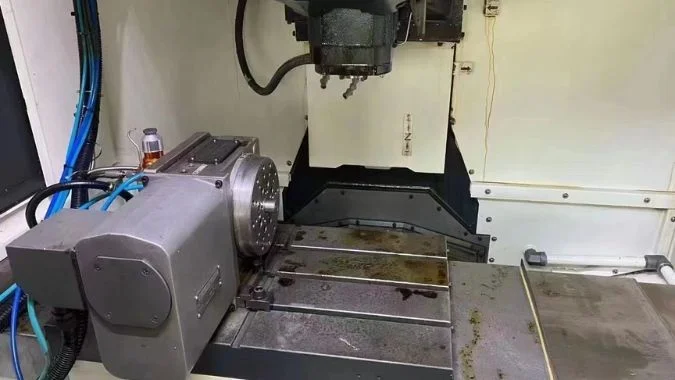
To keep your machine running for 10 or 20 years, you need a system. We recommend a tiered approach.
Daily: Clean the tool magazine and the spindle taper hole. Do not let chips dry on the surfaces. This prevents debris from affecting the tool seating.
Monthly: Check the lubrication system. Is the oil getting to the chain? Check the chain tension. Loose chains cause "slop" in the movement.
Quarterly: Calibrate your sensors. Sensors can drift over time due to vibration. Also, check the double-arm gap with a feeler gauge to ensure it is within spec (typically 0.014–0.020 inches).
Annually: Do a full health check. This includes spindle calibration7 and ball screw preload adjustment8.
Also, be strict with your operators. Do not load tools that are too heavy or too large for the magazine specification. Ensure the spindle returns to the "tool change point" before the arm swings. Never let anyone grab the mechanical arm while it is moving. Discipline in operation is just as important as grease and oil.
Conclusion
Inaccurate tool positioning destroys precision and safety; maintain your foundation, check mechanical chains regularly, and calibrate sensors to ensure your high-speed tapping center runs flawlessly.
-
Prevent sudden loss of machine zero and downtime—learn replacement intervals, warning signs, and safe swap procedures to keep your encoder battery from causing failures. ↩
-
Stabilize actuator performance—understand required pressure, diagnose fluctuations, and fix issues so cylinders maintain speed and force during tool changes. ↩
-
Learn foundation specs, leveling methods, and vibration isolation that protect accuracy and prevent alignment drift on high-speed tapping machines. ↩
-
Find step-by-step checks for magazine–spindle alignment, calibration, and vibration control to eliminate tool change point offsets and avoid crashes. ↩
-
Find manufacturer guidance and troubleshooting tips for maintaining 0.4–0.6 MPa to prevent incomplete tool seating and magazine jams. ↩
-
Step‑by‑step calibration methods and best practices to verify transmission accuracy and achieve sub‑0.02mm tool change deviation. ↩
-
A proven spindle calibration method helps reduce runout, improve surface finish, and keep tool changes and machining accuracy within factory specs. ↩
-
Learn the correct steps and tolerances for ball screw preload adjustment to minimize backlash, extend component life, and maintain positioning accuracy. ↩

Chris Lu
Leveraging over a decade of hands-on experience in the machine tool industry, particularly with CNC machines, I'm here to help. Whether you have questions sparked by this post, need guidance on selecting the right equipment (CNC or conventional), are exploring custom machine solutions, or are ready to discuss a purchase, don't hesitate to CONTACT Me. Let's find the perfect machine tool for your needs.