

Il rumore ad alta velocità di una vite a ricircolo di sfere di un centro di lavorazione è un problema serio?
La noce diventa troppo stretta sulla vite. Questa "strettezza" crea più attrito. Più attrito genera più calore. È una trappola, un circolo vizioso. Durante cicli prolungati, la temperatura può salire fino a 50-80°C.
High-speed ballscrew noise is a critical failure signal. It indicates surface wear, lubrication failure, or thermal expansion issues. Ignoring it leads to poor surface finish, out-of-tolerance parts, and eventually, catastrophic failure like screw fracture or nut detachment, causing safety hazards.
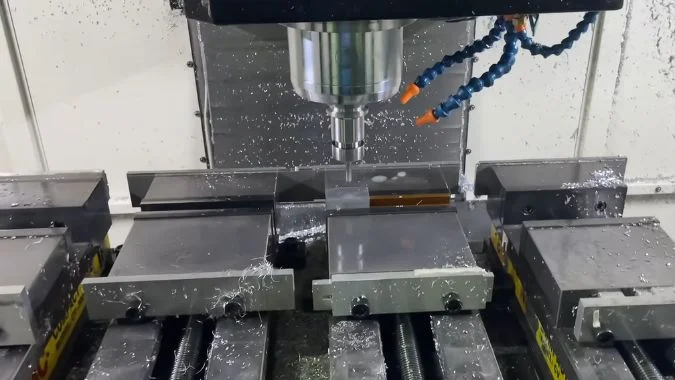
A client once told me his machine was just ‘singing,’ but by the next week, the ballscrew’s condition had degraded to the point that it was severely undermining the precision of the finished parts. I want to share exactly what these noises mean and how you can fix them before they destroy your equipment.
What are the Common Causes of High-Pitched Noise in a Machining Center Ballscrew?
You grease the machine, but the squealing continues. The sound pierces your ears and ruins the work environment. You need to find the source immediately to stop the damage.
High-pitched noise usually stems from four main culprits: mechanical wear causing ball pitting, lubrication failure where viscosity is too high or oil is dirty, misalignment between the screw and guide rails, or internal component defects like a damaged ball returner or worn dust seals.
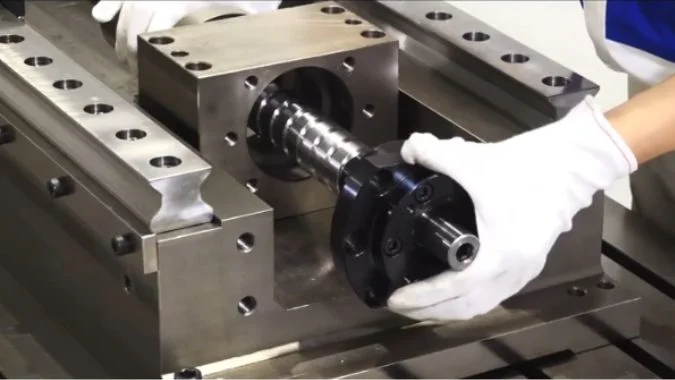
We need to break down the noise sources systematically. Based on my experience, lubrication is often the first place to look. If you use oil with a viscosity higher than ISO681, the friction increases significantly during high-speed rotation. This creates a harsh friction noise. Also, if impurities or dirt get into the oil, they act like sandpaper. They grind the raceways and ruin the smooth finish. In dirty environments, contamination causes about 30% of these noise issues.
Mechanical wear is the second big issue. After long-term operation, the steel balls can peel, and the raceway gets pitted. This creates excessive clearance between the nut and the screw. When the screw spins fast, these loose parts vibrate and scream. In fact, vibration from this wear can increase the wear rate by another 20% to 50%.
Installation errors are also common. If the ballscrew is not parallel to the guide rails, or if the bearing concentricity is off by even 0.01mm2, the screw fights the machine. This fight creates noise.
Finally, look at the physical components. The reverser (the tube that returns the balls) might be cracked. The dust seals might be old and hard. Even thermal expansion from the shop temperature can change the fit. If ball retainers are missing, the balls hit each other directly. This metal-on-metal collision is noisy and destructive.
How Can You Distinguish Between Normal Operating Sound and a Failing Ballscrew?
You listen to the machine and wonder if the sound is new. Is it just working hard, or is it about to break? You need a reliable way to test it.
A healthy ballscrew emits a smooth, continuous low-frequency hum. A failing screw produces irregular clicking, high-pitched squealing, or metallic impact sounds. Harsh whistling indicates dry friction, while a rumbling vibration suggests peeling raceways or severe misalignment that requires immediate attention.
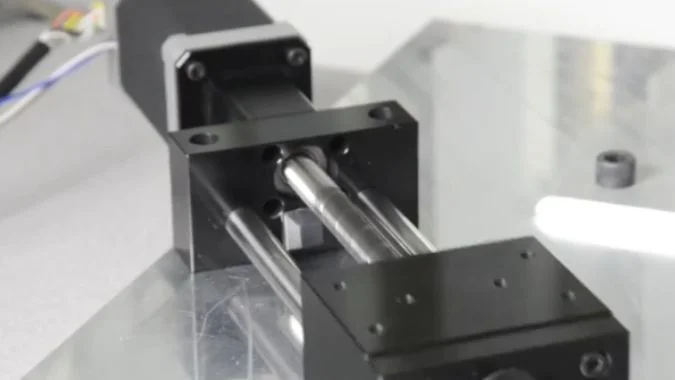
You must train your ears to know the difference. A good machine sounds boring. It makes a steady, low "whooshing" or "humming" sound. It blends into the background. There is no vibration. The temperature stays low.
Bad sounds are distinct and tell you exactly what is wrong.
If you hear a high-pitched "squeak" or whistling, your lubrication is failing3. The grease might be dry or deteriorated. The metal is rubbing dry against metal. This is urgent.
If you hear a "click-click" or cracking sound, something is physically wrong inside the nut. The balls might be jumping or sticking. Dirt might be blocking the return track, or the return tubes are dented.
A deep, heavy "rumble" or "hum" accompanied by vibration is scary. This means the raceway is peeling apart or the shaft is bent. It is an eccentric load. The machine is shaking itself to death.
To be sure, you can perform a manual check. Disconnect the drive and rotate the nut or screw by hand. It should feel buttery smooth. If you feel resistance or "binding" greater than 1 Nm, you have a problem. Also, check your servo load monitor4. If the load fluctuates by more than 15% during a steady move, the screw is failing.
| Sound Type | Probable Cause | Azione |
|---|---|---|
| Smooth Hum | Normal Operation | Maintain Schedule |
| High Squeak/Whistle | Lack of Lubrication / Dry Friction | Check Oil Viscosity |
| Clicking/Cracking | Damaged Returner / Debris | Inspect Nut Internals |
| Rumbling/Vibration | Peeling Raceway / Misalignment | Measure Alignment |
How Does Thermal Expansion Contribute to Increased Friction and Noise During Long Machining Cycles?
You run the machine all day. By the afternoon, the noise gets louder and the parts are out of tolerance. Heat is the invisible enemy attacking your precision.
Thermal expansion elongates the ballscrew, increasing axial stress if the ends are fixed. This changes the preload, leading to extreme local pressure and friction. Heat also thins the lubricant, causing film failure and dry friction, creating a vicious cycle of rising temperature and noise.
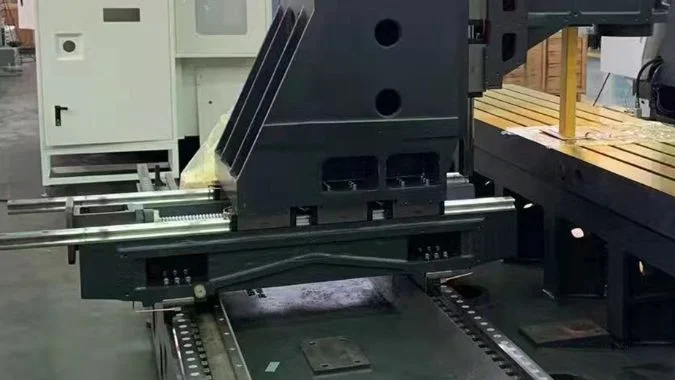
Heat changes the physics of your machine. When a machining center runs for hours, friction creates heat. Steel expands when it gets hot. The ballscrew5 gets longer. If the bearing supports at both ends are fixed, the screw has nowhere to go. It gets squeezed. This increases the internal stress and the axial preload6.
The nut becomes too tight on the screw. This "tightness" creates more friction. More friction creates more heat. It is a trap, a vicious cycle. During long cycles, the temperature can rise to 50-80°C.
Il rumore ad alta velocità della vite a ricircolo di sfere di un centro di lavorazione è un problema serio? - JMCNCmachine
This changes the friction coefficient drastically. It can jump from a smooth 0.001 to a rough 0.01 or higher. This is dry friction. It creates a sharp squeaking noise and accelerates wear.
Uneven heat causes bending. The screw might expand differently at the motor end versus the support end. This destroys the concentricity. The balls start to skip and jump. You must control the temperature to stop this.
How We Do To Solve This Noise Issue?
You know the cause, but you need a fix. Ignoring the problem is not an option. You need a systematic plan to restore your machine to perfect health.
Start by flushing the system with low-viscosity oil and refilling with ISO32-68 lubricant. Next, realign the screw to the guides using laser tools (concentricity ≤ 0.01mm) and adjust the nut preload. If wear is severe, replace the balls or upgrade to silicon nitride ceramic balls.
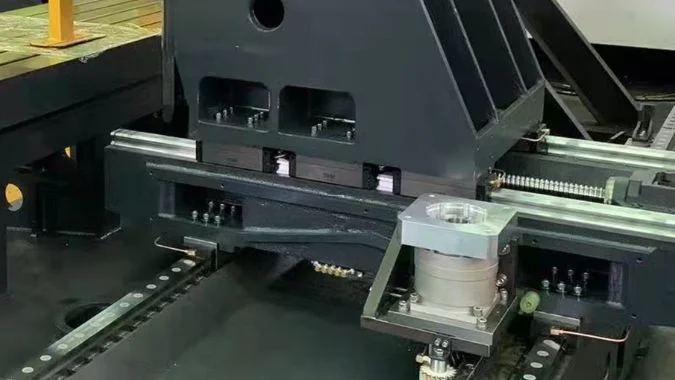
We use a step-by-step approach to fix this noise.
First, look at the oil. We flush the system. We loosen the dust seals and inject low-viscosity oil (under ISO32). We move the nut back and forth to clean out the dirt and old grease. Then we refill it with the correct ISO32-68 oil7. Regular bi-weekly inspections of your lubrication system will prevent this from coming back.
Second, check the alignment. We use laser instruments. We measure the parallelism between the screw and the guide rails. We check the bearing concentricity. It must be better than 0.01mm. If it is off, we adjust the support seats.
Third, adjust the preload. We use a torque wrench. We tighten the nut carefully while listening to the noise. We want stable resistance without the noise.
If the parts are damaged, we upgrade them. We might switch to an end-cap circulation structure. It is smoother. For high-speed machines, we use silicon nitride ceramic balls8. They are lighter and harder. They make less noise when they hit the returner.
Finally, check the environment. Keep the shop at 20°C ±2°C. This stops the thermal expansion problems before they start.
Conclusione
High-speed ballscrew noise is a warning of accuracy loss and potential failure; you must address lubrication, alignment, and thermal issues immediately to protect your equipment and production schedule.
-
Selecting the proper oil viscosity is critical for high-speed ballscrews. Learn which ISO grade prevents friction spikes and harsh noise for your RPM, load, and environment. ↩
-
Even 0.01 mm misalignment can trigger noise and wear. Learn tolerance targets, alignment methods, and how to measure concentricity to protect your ballscrew and bearings. ↩
-
Understanding why lubrication fails can prevent costly breakdowns and extend machine life. This resource will help you identify and fix issues early. ↩
-
A servo load monitor can reveal hidden mechanical issues. Learn how to interpret its readings to keep your equipment running smoothly and safely. ↩
-
Learn how ballscrew thermal growth causes binding, accuracy loss, and solutions like thermal compensation and bearing choices to prevent heat-related failures. ↩
-
Understand axial preload, how heat raises preload and friction, and methods (preload design, thermal relief, lubrication) to control it. ↩
-
Discover proper viscosity choice, refill procedures and manufacturer guidance to prevent noise and ensure smooth lubrication. ↩
-
Find why silicon nitride balls reduce noise, lower inertia, resist wear, and where to get datasheets for high-speed machine upgrades. ↩

Chris Lu
Avvalendomi di oltre un decennio di esperienza pratica nel settore delle macchine utensili, in particolare con le macchine CNC, sono qui per aiutarvi. Se avete domande suscitate da questo post, se avete bisogno di una guida per la scelta dell'attrezzatura giusta (CNC o convenzionale), se state esplorando soluzioni di macchine personalizzate o se siete pronti a discutere un acquisto, non esitate a CONTATTARMI. Troviamo la macchina utensile perfetta per le vostre esigenze.


