

What Are the Risks of Running a Machining Center with a Damaged Spindle?
A damaged spindle does not fail quietly for long. It can ruin accuracy, destroy tools, damage the machine, and create serious safety risks.
Running a machining center with a damaged spindle can cause poor machining accuracy, batch scrap, severe vibration, tool holder damage, spindle motor failure, tool fly-out, machine collision, and chain failure in guideways, ballscrews, and servo systems. The machine should be stopped once serious spindle symptoms appear.
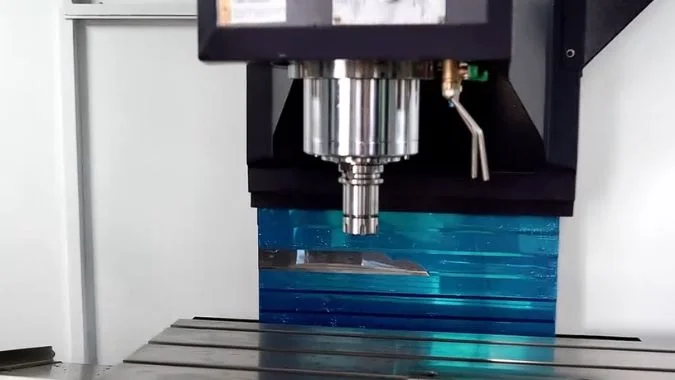
I always treat spindle damage as a high-risk problem, not a small maintenance issue. The spindle is the heart of a machining center1. It holds the tool, gives cutting power, controls rotation accuracy, and transfers load into the machine structure. If the spindle bearing is worn, preload is lost, or the taper hole is damaged, the whole cutting system becomes unstable. The first loss is usually accuracy. Holes become out of round. Surfaces show ripples. Dimensions move outside tolerance. The second loss is machine health. Vibration can damage the taper, tool holder, spindle box, gears, guideways, ballscrews, and servo parts. The third risk is safety. At high speed, a loose tool or failed clamping system can become dangerous. I would never suggest continuing production with a clearly damaged spindle just to finish a batch. The short-term output is not worth the repair cost or injury risk.
What Are the Common Causes of Damage to Machining Center Spindle Assemblies?
Spindle damage often looks sudden, but it usually starts earlier. Poor lubrication, bad tool changes, overload, and dirty contact surfaces slowly build the failure.
Common causes of machining center spindle damage include poor lubrication, contaminated grease, damaged taper holes, reduced bearing preload, failed drawbar springs, damaged clamping balls, wrong tool-change timing, deformed positioning keys, overload cutting, and failed seals or cooling systems.
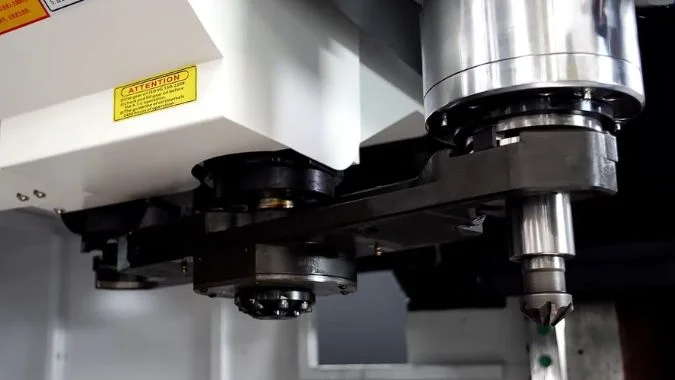
Lubrication problems are one of the most common causes I watch for first. Spindle bearings need the right grease or oil, the right amount, and clean delivery2. If grease is wrong, too old, or mixed with dust, water, or metal particles, the bearing cannot form a stable oil film. Heat rises. Noise increases. Bearing raceways and rolling elements wear faster. Once this starts, the spindle may still rotate, but the accuracy is already dropping.
The spindle taper hole is another weak point. The taper locates the tool holder. If the taper surface is scratched, worn, dented, or dirty during repeated tool changes, the tool holder cannot fit perfectly. This causes eccentric rotation and tool runout. Hole accuracy and surface finish decline quickly. A damaged taper also accelerates tool holder wear.
Bearing preload loss is also serious. The front bearing preload keeps the spindle stable under radial and axial cutting force3. If preload decreases, bearing clearance increases. The spindle axis moves under load. This causes size drift, chatter, and poor finish.
| Cause | What happens inside the spindle | Result during machining |
|---|---|---|
| Poor lubrication | Bearing friction and heat increase | Noise, wear, and possible seizure |
| Contaminated grease or oil | Particles damage bearing raceways | Vibration and rough rotation |
| Damaged taper hole | Tool holder seats poorly | Runout and eccentric cutting |
| Reduced bearing preload | Bearing clearance increases | Poor rigidity and accuracy loss |
| Fatigued drawbar springs | Tool is not clamped tightly | Tool movement or fly-out risk |
| Damaged drawbar balls | Clamping becomes unstable | Tool holder looseness |
| Wrong tool-change timing | Arm and spindle actions conflict | Pull stud and clamping damage |
| Deformed positioning keys | Tool holder cannot align smoothly | Loud tool-change noise |
| Overload cutting | Cutting force exceeds spindle capacity | Bearing and motor stress |
| Seal failure | Coolant or chips enter spindle | Rust and bearing contamination |
The automatic tool clamping system can also damage the spindle. Drawbar springs may lose force after long use. Steel balls in the drawbar can wear or break. Pull studs and tool holder tail tapers can also become damaged if the spindle release action and tool changer arm action do not match. I also pay attention to positioning keys at the spindle nose. If the spindle orientation stop position drifts, the tool holder may hit the keys during tool change. This can create loud noise and local deformation. These small tool-change problems often become large spindle repair problems later.
What Early Signs of Spindle Degradation Should Operators Monitor During Operation?
A spindle usually gives warnings before full failure. If I catch sound, heat, vibration, and surface changes early, I can prevent major damage.
Operators should monitor abnormal sound, fast temperature rise, stronger vibration, poor workpiece surface quality, unstable dimensions, tool-change noise, and weak tool clamping. Sharp noise or rapid heating should lead to immediate shutdown and inspection.
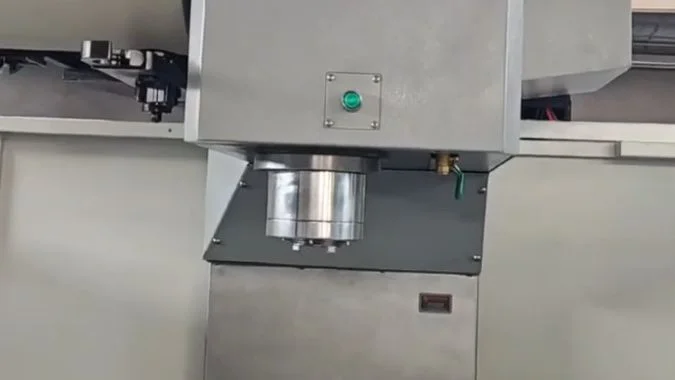
Sound is the fastest warning sign in many cases. A healthy spindle usually has a steady low sound. It may sound different at different speeds, but the tone should stay smooth. If I hear sharp metal friction, clicking, knocking, whistling, or an uneven roar, I stop and check. These sounds may come from bearing raceway wear, cage damage, foreign objects, lack of lubrication, or bearing clearance. Sound can appear before a vibration meter shows a clear alarm.
Temperature is the second sign. I check the front spindle area and the bearing housing area if the machine design allows it. If temperature rises too fast, I treat it seriously. For example, a rise of more than 15°C within 30 minutes is a warning in many shop situations. A high absolute temperature, often above the normal machine baseline, also needs attention. Many machines should stay below about 60°C to 80°C depending on design, speed, and load4. The key is not only the number. The key is the change from normal behavior.
| Warning sign | What I may notice | Possible spindle issue |
|---|---|---|
| Sharp noise | Metal friction or clicking | Bearing wear or cage damage |
| Fast heat rise | Front spindle becomes hot quickly | Lubrication failure or preload issue |
| Strong vibration | Machine shakes during idle or cutting | Balance loss or bearing clearance |
| Surface ripples | Repeated marks on the workpiece | Spindle runout or chatter |
| Size drift | Holes or profiles move out of tolerance | Rotation accuracy loss |
| Tool-change impact | Loud crash during tool change | Orientation or key problem |
| Tool holder looseness | Holder feels unstable after clamping | Drawbar or taper issue |
Workpiece quality is also a direct signal. If the program, tool, material, and cutting conditions have not changed, but the surface becomes rough, I start checking the spindle. Non-process ripples, unstable hole diameter, poor cylindricity, and dimensional drift often show that radial or axial runout has increased. Tool-change behavior also matters. Loud impact during tool exchange, poor holder seating, eccentric tool motion, and weak clamping may indicate a worn taper, failed drawbar spring, damaged pull stud, or gripper problem. I prefer daily comparison. I run the spindle at several speeds, listen, feel for heat, and check vibration. This builds a normal baseline. When the machine feels different, I do not ignore it.
How to Decide Between Repairing or Replacing a Damaged Machining Center Spindle Assembly?
Repairing the spindle may save money, but a bad repair decision can bring repeat failure. Replacement costs more, but it may protect production reliability.
Repair a damaged spindle when bearings, seals, drawbars, lubrication, or electrical interfaces are the main problems and the spindle body can still restore accuracy. Replace it when the shaft, taper, journal, or body is cracked, bent, badly worn, obsolete, or uneconomical to repair.
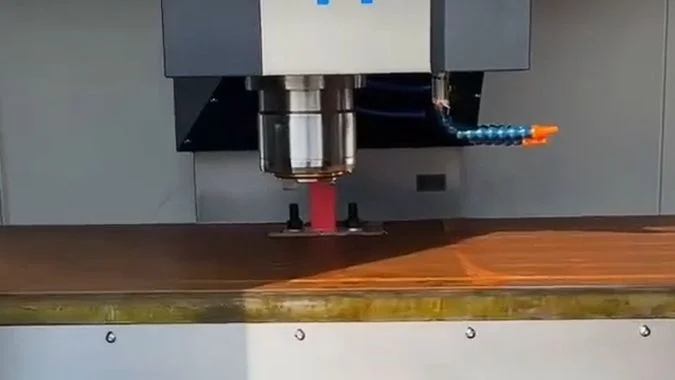
I usually look at three things before choosing repair or replacement: damage level, accuracy recovery, and total cost. If the spindle body is still sound, repair is often practical. Bearings, seals, drawbar parts, cooling lines, and lubrication systems are wear items. These parts can be replaced or restored by a professional repair shop. If grinding, assembly, preload adjustment, and dynamic balancing can bring radial and axial runout back to factory-level standards, repair may be the best choice.
Repair also makes sense when cost and time are favorable. If repair costs less than about 30% of a new spindle and the turnaround time is 15 to 45 days, repair can reduce downtime5. A new spindle may take three to six months in some cases. In that situation, repair can protect delivery schedules.
Replacement becomes the safer choice when the spindle has structural damage. Severe journal wear, deep taper scoring, body cracks, bending, and unrecoverable geometric error are hard limits. If the taper cannot be repaired by grinding or reconditioning, the holder will never seat correctly again.
| Decision factor | Repair is reasonable when | Replacement is safer when |
|---|---|---|
| Bearing condition | Bearings are worn but housing is good | Bearing damage has destroyed journals |
| Taper condition | Light wear can be ground or restored | Deep scoring cannot be corrected |
| Spindle body | No cracks or bending | Body is cracked, bent, or deformed |
| Accuracy recovery | Runout can return to target | Geometry cannot meet process needs |
| Cost | Repair is below about 30% of new cost | Repair exceeds 50% to 60% of new spindle6 |
| Delivery time | Repair is much faster than procurement | New unit is available and safer |
| Machine age | Spare parts are available | Model is obsolete or unsupported |
| Reliability | Failure is local and isolated | Same spindle fails repeatedly |
I also include downtime loss in the cost calculation. A repair price may look low, but production stoppage can be expensive. If total repair cost, labor, parts, and downtime reach more than 50% to 60% of a new spindle price, replacement is often better. If the spindle has failed repeatedly in a short time, I also lean toward replacement. Repeated failures show internal fatigue, poor reliability, or hidden structural damage. A spindle used in high-precision work must not only rotate. It must rotate with stable accuracy every day.
What Daily and Preventive Maintenance Practices Can Maximize Spindle Lifespan?
Spindle life depends on small daily habits. Clean holders, correct lubrication, stable cooling, proper cutting load, and regular checks prevent expensive failures.
To maximize spindle lifespan, keep lubrication clean, maintain cooling flow and temperature, avoid overload cutting, clean spindle tapers and holders, inspect seals, check spindle geometry, monitor sound and heat, and service the tool clamping system regularly.
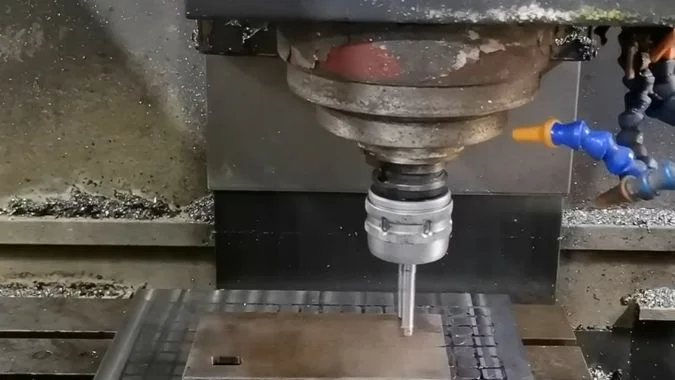
Daily maintenance should start with cleaning and observation. I clean the spindle taper and tool holder taper with proper cloth and cleaner. I do not allow chips, dust, oil sludge, or rust on precision contact surfaces. A dirty taper can create runout, and runout can damage the spindle bearing over time7. I also check tool holders. A damaged holder should not be used in a good spindle because it can transfer damage to the taper.
Lubrication should be checked on schedule. The oil or grease must meet the machine requirement. Oil lines, filters, and metering units must stay clean. If the spindle uses oil-air lubrication, pressure and delivery should be checked. If grease lubrication is used, replacement intervals should follow the manual and working conditions. Too little lubrication causes heat. Too much lubrication can also cause heat at high speed8.
Cooling system health is also important. The spindle motor and bearing area must remain within the correct temperature range. Coolant flow, chiller operation, and cooling line condition should be checked. A blocked cooling circuit can make the spindle run hot and lose accuracy.
| Maintenance practice | What I check | Why it matters |
|---|---|---|
| Taper cleaning | Spindle taper and holder taper | Prevent runout and fretting wear |
| Lubrication inspection | Oil, grease, filters, pipes | Prevent bearing heat and wear |
| Cooling inspection | Flow, temperature, chiller status | Control thermal growth |
| Cutting load control | Speed, feed, depth of cut | Avoid overload and bearing stress |
| Seal inspection | Grease leakage and coolant entry | Stop contamination |
| Tool clamping check | Drawbar force, balls, springs | Prevent tool looseness |
| Geometry check | Runout, perpendicularity, coaxiality | Keep machining accuracy |
| Vibration check | Idle and cutting vibration | Catch early bearing problems |
| Tool-change check | Orientation and arm timing | Prevent taper and key damage |
Overload prevention is part of maintenance. Cutting parameters should match spindle power, tool size, material, and holder rigidity. Heavy cutting with poor holder balance can overload bearings9. High-speed machining with unbalanced tools can damage the spindle even when cutting force is low10. I also inspect seals. If seals fail, coolant, dust, and fine chips can enter the spindle. This quickly damages lubrication and bearings.
Preventive inspection should include spindle runout, tool clamping force, spindle orientation, taper contact, and geometric accuracy. Perpendicularity and coaxiality should be checked when the machine starts to lose accuracy11. I also compare workpiece results over time. If surface roughness, hole size, or tool life changes without a process reason, I consider the spindle condition. Good spindle maintenance is not one action. It is a routine. It keeps the machine accurate and keeps repair cost under control.
Conclusion
A damaged spindle can destroy accuracy, safety, and machine value. I stop early, inspect correctly, and maintain daily to avoid major failure.
-
"The Primary Components of a Machine Tool Spindle – Setco", https://www.setco.com/blog/the-primary-components-of-a-machine-tool-spindle/. Machine tool design literature establishes the spindle assembly as the primary functional component responsible for tool rotation, power transmission, and positioning accuracy in machining centers. Evidence role: general_support; source type: education. Supports: The spindle’s role as the primary rotating component that holds tools, provides cutting power, and determines machining accuracy. Scope note: The source describes functional primacy rather than using the ‘heart’ metaphor specifically ↩
-
"Machine Tool Spindle Bearing Lubrication: What To Know", https://www.northlandtool.com/machine-tool-spindle-bearing-lubrication-know/. Bearing engineering research identifies lubricant type compatibility, proper fill quantity, and contamination control as essential factors for maintaining the hydrodynamic film that prevents metal-to-metal contact in high-speed spindle bearings. Evidence role: mechanism; source type: research. Supports: The critical factors in bearing lubrication including lubricant selection, quantity control, and contamination prevention. ↩
-
"[PDF] Investigation of spindle bearing preload on dynamics and stability …", https://mtrc.utk.edu/wp-content/uploads/sites/45/2019/09/ozturk_kumar_turner_schmitz_preload.pdf. Machine design textbooks explain that bearing preload eliminates internal clearance and increases contact angle, thereby enhancing both radial and axial stiffness to resist cutting forces and maintain spindle position accuracy. Evidence role: mechanism; source type: education. Supports: How bearing preload increases stiffness and reduces deflection under combined radial and axial loads. ↩
-
"What is your spindle temp? What is normal? – Novakon", https://www.cnczone.com/forums/novakon/82823-spindle-temp-normal.html. Machine tool engineering literature indicates that spindle bearing temperatures typically remain between 50°C and 80°C during normal operation, with specific limits depending on bearing type, lubrication method, speed, and cooling system design. Evidence role: general_support; source type: research. Supports: Typical operating temperature ranges for machine tool spindles under normal conditions. Scope note: Acceptable temperature ranges are highly application-specific and manufacturer-dependent ↩
-
"Repair vs. Replace: 2026 Machine Tool ROI Framework", https://www.setco.com/blog/repair-vs-replace-in-2026/. Maintenance management research provides decision models comparing repair costs, downtime losses, and replacement costs, though specific percentage thresholds vary by industry, equipment criticality, and operational context. Evidence role: general_support; source type: research. Supports: Economic decision frameworks for repair versus replacement in capital equipment maintenance. Scope note: The 30% cost threshold and 15-45 day timeframe appear to reflect practical experience rather than established maintenance standards ↩
-
"Repair vs. Replacement Decision Making | www.waru.edu", https://www.waru.edu/acquipedia-article/repair-vs-replacement-decision-making. Maintenance economics literature commonly cites repair cost thresholds of 50-70% of replacement cost as decision points favoring replacement, though optimal thresholds depend on equipment age, reliability history, and production criticality. Evidence role: general_support; source type: research. Supports: Cost thresholds used in maintenance decision-making for repair versus replacement. ↩
-
"Top Causes of Spindle Failure in Medical Manufacturing, and How …", https://www.setco.com/blog/top-causes-of-spindle-failure-in-medical-manufacturing-and-how-to-prevent-them/. Precision machining research demonstrates that particles or films on taper surfaces prevent proper seating, creating tool runout that generates dynamic imbalance forces transmitted to spindle bearings, accelerating wear. Evidence role: mechanism; source type: research. Supports: How contamination at the spindle-tool holder interface causes eccentric rotation and increased bearing loads. ↩
-
"Analysis of Circulation Characteristics and Heat Balance …", https://www.mdpi.com/2075-4442/11/3/136. Tribology research shows that insufficient lubrication causes boundary friction and heat, while excess lubricant at high speeds generates churning losses and viscous heating, creating an optimal lubrication quantity for minimum temperature rise. Evidence role: mechanism; source type: research. Supports: The relationship between lubricant quantity and heat generation in high-speed bearings. ↩
-
"Tool balancing and RPM – Sandvik Coromant", https://www.sandvik.coromant.com/en-us/knowledge/machine-tooling-solutions/tooling-considerations/balancing-and-rpm. Machine tool dynamics research shows that unbalanced rotating assemblies generate centrifugal forces proportional to the square of rotational speed, which superimpose on cutting forces to create combined bearing loads exceeding static design limits. Evidence role: mechanism; source type: research. Supports: How tool holder imbalance creates dynamic forces that combine with cutting loads to stress spindle bearings. ↩
-
"(PDF) Influence of Tool Balancing in High Speed Machining", https://www.researchgate.net/publication/324917056_Influence_of_Tool_Balancing_in_High_Speed_Machining. High-speed machining research demonstrates that centrifugal forces from tool imbalance increase with the square of spindle speed, potentially exceeding cutting forces at speeds above 10,000-15,000 RPM and causing bearing fatigue even during light cutting operations. Evidence role: mechanism; source type: research. Supports: The relationship between rotational speed, imbalance, and dynamic forces in high-speed machining. ↩
-
"Measurement of spindle-related geometric errors by …", https://www.sciencedirect.com/science/article/abs/pii/S0007850625001362. International standards for machine tool testing (ISO 230 series) specify perpendicularity and coaxiality measurements as key indicators of spindle and machine geometry, with deviations signaling wear in bearings, guideways, or structural components. Evidence role: general_support; source type: institution. Supports: Geometric accuracy parameters used to assess machine tool and spindle condition. ↩

Chris Lu
Leveraging over a decade of hands-on experience in the machine tool industry, particularly with CNC machines, I'm here to help. Whether you have questions sparked by this post, need guidance on selecting the right equipment (CNC or conventional), are exploring custom machine solutions, or are ready to discuss a purchase, don't hesitate to CONTACT Me. Let's find the perfect machine tool for your needs.