

ما هي مزايا عمود الدوران من نوع الجلبة (Sleeve-Type Spindle) في مراكز الخراطة والتفريز باستخدام الحاسب الآلي (CNC)؟
Spindle movement, vibration, and heat can quietly damage accuracy, surface quality, and tool life during complex turn-mill operations.
A sleeve-type spindle improves machining through a common assembly datum, short overhang, rigid peripheral support, balanced thermal growth, effective cooling, and modular maintenance. These features support high concentricity, stable C-axis positioning, strong vibration resistance, and lower long-term service costs.
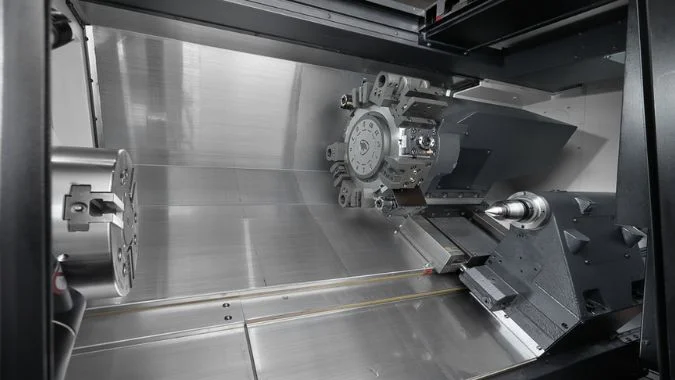
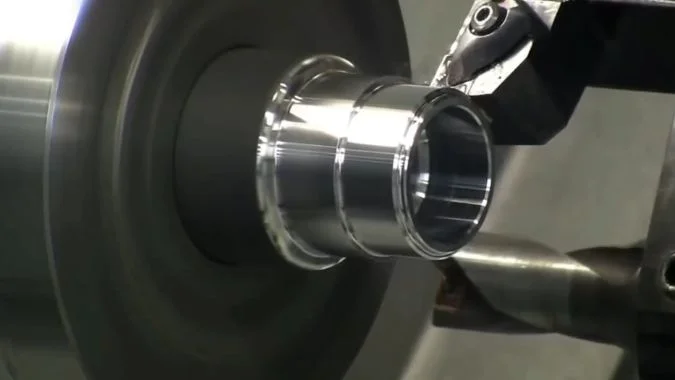
A CNC turn-mill center combines turning, milling, drilling, and indexing in one machine1. Each process creates different forces and heat. The spindle must remain stable while its speed, load, and operating mode change. A sleeve-type spindle, also called a quill-type spindle2, places the spindle and its bearing system inside a rigid cylindrical sleeve. This structure creates a controlled mechanical and thermal base. Its value becomes clear when accuracy, impact resistance, thermal stability, and maintenance are examined separately.
Why Can It Achieve Excellent Machining Accuracy and Concentricity?
Small alignment errors between spindle bearings can create runout, uneven surfaces, short tool life3, and inaccurate milled features.
A sleeve-type spindle achieves high accuracy by using a common assembly datum for the bearing seats, a short spindle overhang, preloaded precision bearings, and a stable cylindrical housing. These elements reduce assembly eccentricity, bending, radial runout, and C-axis positioning errors.
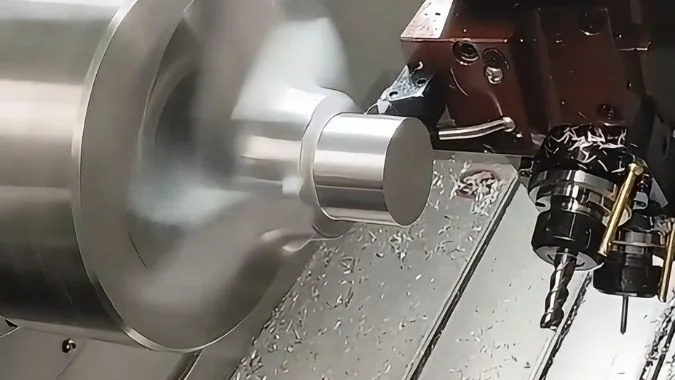
A Unified Datum Controls Bearing Alignment
The front and rear bearing housings must share the same axis. A sleeve-type design uses the spindle body and front bearing sleeve as a common positioning datum. This assembly method limits the chance that each bearing housing will be aligned from a separate reference. It therefore reduces accumulated assembly errors.
The common datum forces the front and rear bearing bores into a highly coaxial relationship4. The spindle shaft can then rotate around a more stable centerline. This improves radial runout, face runout, and part concentricity.
| Structural feature | Controlled error | مزايا التشغيل الآلي |
|---|---|---|
| مرجع المحمل الشائع | عدم محاذاة تجويف المحمل | تركيز أفضل لعمود الدوران |
| التحميل المسبق للمحامل الدقيقة | الخلوص الداخلي للمحمل | حركة شعاعية أقل |
| مبيت جلبة أسطواني | تشوه المبيت | دوران أكثر استقرارًا |
| ملاءمة تجميع محكومة | لانمركزية التجميع | اهتزاز أقل لعمود الدوران |
البروز القصير يحسن صلابة الانحناء
يستقر طرف تثبيت الأداة بالقرب من دعم المحمل الأمامي. تقلل هذه المسافة القصيرة من ذراع العزم الناتج عن قوة القطع، مما يقلل من انحناء أنف عمود الدوران تحت أحمال الخراطة أو التفريز الثقيلة.
يُعد البروز القصير مهمًا عند دخول الأداة إلى قطعة العمل وخروجها منها بشكل متكرر، كما أنه مهم أثناء التفريز غير المركزي؛ حيث يمكن لكلتا العمليتين تسليط أحمال شعاعية متغيرة على عمود الدوران.
الدوران المستقر يدعم دقة المحور C
يستخدم مركز الخراطة والتفريز عمود الدوران كمحور C أثناء التفريز والثقب. توفر الجلبة مرجعًا دورانيًا مستقرًا لهذه الحركة. عند إقران عمود الدوران بمحرك دفع مباشر ومشفّر عالي الدقة، يمكن للأنظمة المتطورة الوصول إلى تكرارية تحديد الموقع الزاوي تصل إلى ±1 ثانية قوسية5 في ظل ظروف تشغيل مناسبة.
تُقلل هذه العلاقة المستقرة من أخطاء المحيط الناتجة عن عدم التطابق بين دوران عمود الدوران وأوامر المحور C. كما تدعم أيضاً الحصول على أنماط ثقوب دقيقة، وأسطح مستوية، وأخاديد، وقطاعات مُفرزة.
Why Can the Sleeve-Type Spindle Maintain Excellent Vibration Resistance Against Impact Loads During Complex Machining?
تؤدي عمليات القطع المتقطعة والتفريز غير المركزي إلى حدوث صدمات متكررة6. يمكن أن تؤدي هذه القوى إلى الاهتزاز، وعلامات الأدوات الظاهرة، وعدم استقرار الأبعاد، وتلف مبكر للمحامل.7.
يقاوم عمود الدوران من نوع الجلبة الاهتزاز بفضل جسمه الأسطواني المدمج، وملاءمته المحكمة مع هيكل الماكينة، والبروز القصير لعمود الدوران، والمسافة الواسعة بين المحامل. تعمل هذه الميزات على توزيع أحمال الصدمات، وزيادة صلابة الانحناء، وتقليل سعة الاهتزاز أثناء عمليات الخراطة، والتفريز، والقطع المتقطع.
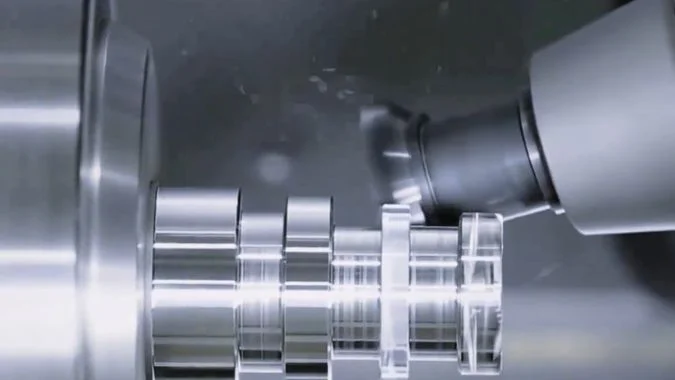
الدعم المحيطي يُنشئ مسار حمل صلب
يتناسب الجدار الخارجي للجلبة بشكل وثيق داخل هيكل الماكينة. يخلق هذا التلامس دعماً حول جزء كبير من جسم عمود الدوران بدلاً من الاعتماد على عدد صغير من نقاط التثبيت المعزولة. وبذلك، يمكن لقوى القطع أن تنتقل عبر الجلبة إلى هيكل الماكينة من خلال مسار قصير وصلب.
يتعامل الشكل الأسطواني أيضاً مع القوى القادمة من اتجاهات مختلفة. وهذا أمر مهم في مراكز الخراطة والتفريز، لأن الخراطة عادة ما تولد قوة شعاعية ثابتة، بينما يُولد التفريز قوة متغيرة في اتجاهات متعددة.
| حالة التشغيل الآلي | خصائص الحمل الرئيسية | استجابة من نوع الجلبة |
|---|---|---|
| الخراطة الثقيلة | حمل شعاعي مستمر | صلابة انحناء عالية |
| الخراطة المتقطعة | تأثير متكرر | توزيع أفضل للحمل |
| التفريز غير المتمركز | تغير الاتجاه الشعاعي | دعم محيطي مستقر |
| الحفر | الدفع المحوري | النقل المباشر إلى المبيت |
| التفريز بالمحور C | عزم دوران مشترك وحمل شعاعي | مرجع دوراني مستقر |
تساعد الجلبة في تقليل طاقة الاهتزاز
الهيكل الصلب لا يزيل كل الاهتزازات، بل يحد من الحركة ويغير طريقة انتقال الاهتزاز عبر نظام عمود الدوران. تشكل الجلبة، ومقاعد المحامل، ومبيت الماكينة، وأسطح التلامس تجميعة مدمجة. يمكن لهذه التجميعة تقليل الانثناء الموضعي والمساعدة في نقل طاقة الاهتزاز إلى هيكل الماكينة الأكبر.
تؤثر مسافة المحامل أيضًا على مقاومة الاهتزاز. المسافة الأكبر بين مجموعات المحامل الأمامية والخلفية تخلق دعمًا أقوى ضد عزوم الانقلاب. المحامل المحملة مسبقًا تقلل من الحركة الداخلية بشكل أكبر. لا يزال ترتيب المحامل الدقيق يعتمد على سرعة عمود الدوران، وحجم الأداة، وعزم الدوران، وحمل القطع المتوقع.
يمكن للدفع المباشر إزالة مصادر الاهتزاز الإضافية
تستخدم بعض أعمدة الدوران المتطورة من نوع الجلبة محركًا مدمجًا. يزيل هذا التصميم السيور، أو البكرات، أو الوصلات المنفصلة من سلسلة النقل. تعني أجزاء النقل الأقل عددًا أقل من المصادر المحتملة للخلوص، وعدم التوازن، والاهتزاز.
النتيجة هي عملية قطع أكثر استقرارًا. يمكن تحسين جودة تشطيب السطح، وجعل تآكل أداة القطع أكثر اتساقًا، وتقليل التغيرات في الأبعاد بين الأجزاء.
How Does the Sleeve-Type Spindle Suppress the Influence of Thermal Deformation on Accuracy?
تولد محامل عمود الدوران والمحركات حرارة أثناء دورات الإنتاج الطويلة. يمكن أن يؤدي التسخين غير المتساوي إلى إزاحة مركز عمود الدوران وتغيير أبعاد الأجزاء تدريجيًا.8.
يحد عمود الدوران من النوع الغلافي من الخطأ الحراري من خلال البناء المتماثل، وقنوات التبريد المحيطة، والتحكم في التحميل المسبق للمحامل، ونقل الحرارة المتساوي. يدعم شكله الأسطواني تمددًا متوازنًا، بينما يعمل التبريد السائل المستقل على إزالة الحرارة قبل أن تتسبب اختلافات درجات الحرارة المحلية في حدوث انحراف خطير لمركز عمود الدوران.
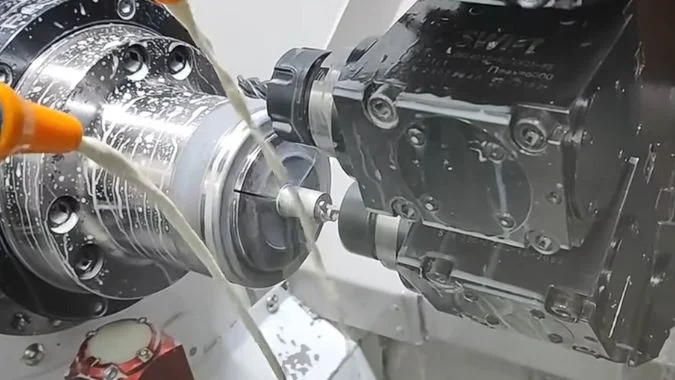
البناء المتماثل يشجع على التمدد المتوازن
يتمتع الغلاف بشكل متماثل دورانيًا. عندما تتوزع الحرارة بالتساوي، يميل الهيكل إلى التمدد حول محور عمود الدوران9 بدلاً من سحب المحور بقوة نحو جانب واحد. يساعد هذا السلوك في تقليل الانحراف الشعاعي للمركز.
يمكن أن يؤدي امتداد المحمل الكبير أيضًا إلى تحسين التوازن الحراري. تقع مجموعات المحامل داخل تجميعة غلاف واحدة محكومة، لذا فإن مواقعها تستجيب لتغيرات درجات الحرارة بطريقة أكثر قابلية للتنبؤ. لا يلغي هذا الهيكل النمو الحراري، ولكنه يجعل السلوك الحراري أسهل في التحكم والتعويض عنه.
| المصدر الحراري | المشكلة المحتملة | طريقة التحكم |
|---|---|---|
| حرارة المحمل الأمامي | انحراف مقدمة عمود الدوران | التبريد السائل المحلي |
| حرارة المحمل الخلفي | النمو المحوري | التبريد المتوازن والتحميل المسبق |
| حرارة المحرك المدمج | تمدد الهيكل غير المتساوي | دائرة تبريد مستقلة |
| ارتفاع درجة حرارة المزلق | انخفاض اللزوجة والتآكل | دوران بدرجة حرارة ثابتة |
| نقاط ساخنة موضعية | حركة المركز الشعاعي | قنوات تبريد محيطية |
التبريد المحيطي يزيل الحرارة بسرعة
يوفر هيكل الجلبة مساحة لممرات التبريد حول مناطق عمود الدوران والمحامل. يمكن تدوير الماء أو الزيت أو أي سائل متحكم فيه عبر هذه الممرات. يعمل نظام التبريد على إزالة الحرارة بالقرب من مصدرها قبل أن تنتشر بشكل غير متساوٍ عبر مبيت عمود الدوران.
يمكن لدوائر التبريد المستقلة التحكم في مناطق المحرك والمحامل بشكل منفصل. هذا النهج مفيد لأن المحرك والمحامل قد ينتجان الحرارة بمعدلات مختلفة.
يجب أن يظل التحميل المسبق للمحامل خاضعاً للتحكم
يمكن أن تؤدي تغيرات درجات الحرارة إلى تغيير خلوص المحامل والتحميل المسبق. يؤدي التحميل المسبق المفرط إلى زيادة الاحتكاك والحرارة. بينما يؤدي عدم كفاية التحميل المسبق إلى حركة غير مرغوب فيها للمغزل.10 تساعد الجلبة في الحفاظ على هندسة مقاعد المحامل، بينما يحافظ نظام التبريد على درجات الحرارة ضمن نطاق محكوم.
لا تزال إجراءات إحماء الآلة، ودرجة حرارة سائل التبريد، ودرجة حرارة الغرفة، وسرعة المغزل، وحمل القطع تؤثر على الدقة النهائية. توفر الجلبة قاعدة مستقرة، ولكن يظل التحكم التشغيلي المناسب ضرورياً للإنتاج الدقيق.
How Does the Sleeve-Type Spindle Reduce Subsequent Maintenance Costs?
قد تتطلب عملية إصلاح المغزل التقليدية تفكيكاً رئيسياً، وعمالة ماهرة، ووقت توقف طويلاً، وإعادة محاذاة مكلفة قبل أن يتمكن الإنتاج من الاستئناف.
يقلل المغزل من نوع الجلبة من تكاليف الصيانة من خلال الاستبدال المعياري، والواجهات الموحدة، ومكونات التبريد المستقلة، وسهولة الوصول للخدمة. غالباً ما يمكن صيانة المحامل أو الأختام أو جلب التبريد التالفة كمجموعة واحدة، مما يقلل من أعمال التفكيك، ووقت المحاذاة، وتكاليف قطع الغيار، وخسائر الإنتاج.
الاستبدال المعياري يقصر وقت التوقف
يمكن ترتيب المحامل والأختام وجلب التبريد والأجزاء ذات الصلة كوحدات مستقلة. عند حدوث عطل خطير، غالباً ما يمكن إزالة مجموعة الريشة التالفة دون تفكيك رأس الآلة بالكامل.
تتجنب هذه الطريقة العمل غير الضروري على الأجزاء السليمة. ويمكنها أيضاً إزالة الحاجة إلى إرسال نظام المغزل بالكامل إلى المصنع الأصلي. في تصميمات الآلات المناسبة،, قد يؤدي الاستبدال المعياري إلى تقصير وقت توقف الصيانة بأكثر من 60 بالمائة11. يعتمد التخفيض الفعلي على إمكانية الوصول إلى الآلة، وتوافر قطع الغيار، ومهارة الفني، ونوع العطل.
| ميزة الصيانة | مشكلة الخدمة التقليدية | ميزة التكلفة |
|---|---|---|
| وحدة ريشة قابلة للإزالة | تفكيك كامل للمغزل | وقت إصلاح أقصر |
| أختام مستقلة | استبدال مجموعة كبيرة | استخدام الأجزاء السفلية |
| واجهات محامل قياسية | توفير المكونات الخاصة | سهولة أكبر في التوريد |
| هيكل سريع الفك | إزالة النظام المحيطي | تكلفة عمالة أقل |
| وحدة استبدال مسبقة الضبط | عملية إعادة محاذاة طويلة | استعادة أسرع للإنتاج |
التبريد الأفضل يطيل عمر المكونات
تحمي درجة حرارة المحامل المستقرة جودة مواد التشحيم. كما أنها تقلل من التمدد والانكماش الحراري المتكرر. وتؤدي هذه التغيرات إلى إجهاد المحامل، والأختام، والأسطح المثبتة.
يمكن لغلاف التبريد بالماء أو الزيت المدمج أن يقلل من معدل تآكل المحامل بنسبة تتراوح بين 30 إلى 50 بالمائة12 في التطبيقات الخاضعة للرقابة بشكل صحيح. يعتمد عمر الخدمة الفعلي على السرعة، والحمل، والتشحيم، والتلوث، وجودة التركيب، وأداء التبريد. ومع ذلك، فإن درجة حرارة التشغيل المنخفضة تدعم عادةً فترات صيانة أطول.
الواجهات القياسية تخفض تكاليف قطع الغيار
يمكن أن تجعل مبيتات المحامل القياسية ومواصفات الأغلفة الشائعة من السهل العثور على قطع الغيار. كما تمنح الواجهة القياسية أصحاب الآلات المزيد من خيارات الإصلاح. وقد يقلل ذلك من الاعتماد على مكون مخصص واحد له وقت تسليم طويل.
الإجراءات الأبسط تقلل من متطلبات العمالة
يمكن صيانة الغلاف المنفصل أو سريع الفك دون إزالة سلسلة النقل، وبرج الأدوات، والأنظمة القريبة الأخرى. يمكن للفنيين المدربين في المصنع إكمال الاستبدال الروتيني بعد الحصول على تعليمات فنية أساسية. قد تظل الحاجة إلى متخصصي محاور الدوران (سبيندل) ذوي الخبرة مطلوبة للطحن، أو الموازنة، أو إعداد المحامل عالية الدقة.
تقوم شركة J&M Machine Tools بتقييم هيكل محور الدوران مع تطبيق الآلة، وحمل القطع المتوقع، ونطاق السرعة، وتصميم التبريد، وظروف الخدمة المحلية. تساعد هذه المراجعة الكاملة في مطابقة تصميم محور الدوران مع أهداف الإنتاج وخطط الصيانة طويلة المدى.
الخاتمة
تجمع المغازل من نوع الجلبة بين المحاذاة الدقيقة، والصلابة العالية، والتبريد المتوازن، والتحكم المستقر في المحور C، والقابلية للصيانة المعيارية لتحسين جودة التشغيل الآلي مع تقليل وقت التوقف عن العمل وتكاليف الصيانة.
-
"ما هي المعالجة باستخدام الحاسب الآلي (CNC)؟ - جامعة جودوين"،, https://www.goodwin.edu/enews/what-is-cnc/. تمثل مراكز الخراطة والتفريز فئة من أدوات الآلات متعددة المهام التي تدمج قدرات المخرطة ومركز التشغيل الآلي، مما يتيح إجراء عمليات دورانية وموشورية على إعداد قطعة عمل واحدة لتقليل المناولة، وتحسين الدقة، وتقصير دورات الإنتاج. دور الدليل: تعريف؛ نوع المصدر: موسوعة. يدعم: التعريف الوظيفي وقدرات مراكز التشغيل الآلي للخراطة والتفريز. ↩
-
"تصميم مغزل أداة الآلة" بقلم جيمي هويت"،, https://repository.rit.edu/theses/7199/. تتميز تصميمات المغازل من نوع الريشة أو الجلبة بالمغزل الدوار المثبت داخل مبيت أسطواني يوفر الدعم الهيكلي ومحاذاة المحامل، مما يميزها عن تكوينات المغازل المثبتة مباشرة في بنية أداة الآلة. دور الدليل: تعريف؛ نوع المصدر: تعليمي. يدعم: مصطلحات وتصنيف تصميم مغزل أداة الآلة. ↩
-
"شرح الانحراف في التشغيل الآلي: الأسباب، الآثار، وكيفية تقليله"،, https://taigtools.com/blog/runout-in-machining/. يؤدي انحراف المغزل الناتج عن عدم محاذاة المحامل إلى حدوث خطأ هندسي دوري أثناء الدوران، مما يظهر على شكل تموج في السطح، وتغير في الأبعاد، وتداخل غير متساوٍ للأداة، وتسارع تآكل حافة القطع بسبب قوى القطع غير المتسقة. دور الدليل: آلية؛ نوع المصدر: تعليمي. يدعم: العلاقة السببية بين انحراف المغزل وتدهور جودة التشغيل الآلي. ↩
-
"تفاوتات موضع المحمل"،, https://www.eng-tips.com/threads/bearing-position-tolerances.434143/. يؤدي إنشاء مرجع مشترك لتشغيل مقعد المحمل إلى تحكم أكثر إحكامًا في المحورية بين مواقع المحامل، مما يقلل من تراكم التفاوت التراكمي الذي قد ينتج بخلاف ذلك عن مراجع مستقلة في التجميعات الدقيقة. دور الدليل: آلية؛ نوع المصدر: تعليمي. يدعم: كيفية تحكم طرق تجميع المرجع المشترك في هندسة محاذاة المحامل. ↩
-
"شرح المحور الدوار: المفاهيم الأساسية في التشغيل الآلي باستخدام الحاسب الآلي (CNC)"،, https://sarkinencalibrating.com/feeds/blog/rotary-axis. تمثل قابلية التكرار في تحديد الموقع الزاوي بمستوى ثانية القوس أداءً يمكن تحقيقه في المحاور الدوارة عالية الدقة عند تحسين الظروف البيئية، ودقة المشفر، وجودة نظام القيادة، والاستقرار الحراري، على الرغم من أن النتائج الفعلية تختلف حسب التنفيذ. دور الدليل: إحصائي؛ نوع المصدر: بحث. يدعم: دقة تحديد الموقع الزاوي التي يمكن تحقيقها في المحاور الدوارة لآلات التشغيل الدقيقة. ملاحظة النطاق: يصف هذا قدرة نظرية في ظل ظروف خاضعة للرقابة بدلاً من أداء مضمون عبر جميع تطبيقات الأعمدة الدوارة من نوع الجلبة. ↩
-
"بحث حول نمذجة قوة القطع والتشغيل الآلي... – PMC"،, https://pmc.ncbi.nlm.nih.gov/articles/PMC12388261/. تؤدي عمليات القطع المتقطع ومسارات الأدوات غير المركزية إلى أحداث تعشيق وانفصال دورية تولد أحمال صدمية وقوى قطع متغيرة بمرور الوقت، مما يثير أنماط اهتزاز العمود الدوار ويؤدي إلى انحرافات ديناميكية تتجاوز تلك الناتجة عن القطع المستقر. دور الدليل: آلية؛ نوع المصدر: تعليمي. يدعم: خصائص القوة لعمليات القطع المتقطع وغير المتماثل. ↩
-
"تحقيق في اهتزاز ثرثرة أداة القطع في الآلات..."،, https://scholarworks.uni.edu/cgi/viewcontent.cgi?article=4664&context=grp. يؤدي الاهتزاز غير المنضبط في التشغيل الآلي إلى توليد ثرثرة تجددية من خلال الاقتران الديناميكي بين انحراف الأداة وتوليد السطح، بينما ينقل أيضًا أحمالاً متناوبة إلى المحامل التي تسرع التعب من خلال التنقير (Brinelling)، والتنقير الكاذب، وانهيار طبقة زيوت التشحيم. دور الدليل: آلية؛ نوع المصدر: بحث. يدعم: عواقب الاهتزاز المفرط في أنظمة التشغيل الدقيق. ↩
-
"(PDF) تقييم الاستقرار الحراري لآلة التشغيل مقابل..."،, https://www.academia.edu/96653499/Evaluation_of_Machine_Tool_Thermal_Stability_against_Dimensional_Accuracy. يتبع التمدد الحراري في هياكل آلات التشغيل توزيع درجة الحرارة، ويؤدي التسخين غير المتماثل إلى نمو تفاضلي يزيح نقطة مركز الأداة بالنسبة لنظام إحداثيات قطعة العمل، مما يخلق خطأً بُعدياً منتظماً ينمو أثناء الإحماء ويختلف باختلاف ظروف التشغيل. دور الدليل: آلية؛ نوع المصدر: بحث. يدعم: كيفية إنتاج التدرجات الحرارية لخطأ هندسي في أعمدة آلات التشغيل. ↩
-
"شبكات صفرية التمدد الحراري صلبة وقوية عبر تأثير بواسون"،, https://lakeslab.ep.wisc.edu/ZeroAlphaStiffJMR13.pdf. تُظهر الهندسة المتناظرة دورانيًا التي تتعرض لارتفاع موحد في درجة الحرارة تمدداً شعاعياً يحافظ على موقع الخط المركزي في غياب قيود خارجية، وهي خاصية يتم استغلالها في التصميم الميكانيكي الدقيق لتقليل الانجراف الحراري من مصادر الحرارة الموزعة حول محور الدوران. دور الدليل: آلية؛ نوع المصدر: تعليمي. يدعم: سلوك التمدد الحراري للهياكل المتناظرة دورانيًا. ↩
-
"شرح أساسيات التحميل المسبق للمحامل"،, https://www.lily-bearing.com/resources/blog/explaining-the-basics-of-bearing-preload?srsltid=AfmBOorSif7118qJ-d7gMZSipwMidPQH3Tz6C2ACu3jbvitkkwKsui6w. يؤسس التحميل المسبق للمحمل قوة تلامس محكومة تقضي على الخلوص الداخلي وتزيد من الصلابة، ولكن التحميل المسبق الأعلى يزيد من مقاومة الدوران وتوليد الحرارة واستهلاك الطاقة، مما يتطلب التحسين بناءً على السرعة والحمل والصلابة المطلوبة والقدرة على الإدارة الحرارية. دور الدليل: آلية؛ نوع المصدر: بحث. يدعم: المقايضات في اختيار التحميل المسبق للمحامل بين الصلابة وتوليد الحرارة. ↩
-
"7 فوائد لإصلاح أعمدة CNC بدلاً من استبدالها..."،, https://www.setco.com/blog/7-benefits-of-repairing-cnc-spindles-instead-of-replacing-them/. يمكن لاستراتيجيات استبدال المكونات النمطية في آلات التشغيل أن تقلل بشكل كبير من متوسط وقت الإصلاح مقارنة بالإصلاح الشامل للنظام، مع اعتماد توفير الوقت الفعلي على نوع العطل، وتوافر قطع الغيار، وتدريب الفنيين، وتصميم النظام. دور الدليل: إحصائي؛ نوع المصدر: بحث. يدعم: إمكانية تقليل وقت التوقف عن العمل من خلال نهج الصيانة النمطية مقابل المتكاملة للأعمدة الدوارة. ملاحظة النطاق: يمثل رقم 60% المحدد تحسناً محتملاً في السيناريوهات المواتية بدلاً من نتيجة عالمية. ↩
-
"التحكم في أحمال المحامل الناتجة حرارياً للتحسين..."،, https://deepblue.lib.umich.edu/items/a94ad7cd-8dba-4b96-b132-e85f56b56c80. يُظهر عمر خدمة المحامل اعتماداً قوياً على درجة الحرارة، حيث يعمل التبريد الخاضع للرقابة على إطالة عمر التشغيل عن طريق تقليل تدهور زيوت التشحيم، والإجهاد الحراري، وتأثيرات التمدد التفاضلي، على الرغم من أن التحسن الدقيق يختلف باختلاف نوع المحمل، والحمل، والسرعة، وتصميم نظام التشحيم. دور الدليل: إحصائي؛ نوع المصدر: بحث. يدعم: العلاقة بين درجة حرارة تشغيل المحمل وعمر التآكل. ملاحظة النطاق: يعكس النطاق المذكور المبادئ الاحتكاكية العامة بدلاً من بيانات الاختبار المحددة لمحامل الأعمدة من نوع الجلبة. ↩

كريس لو
بالاستفادة من أكثر من عشر سنوات من الخبرة العملية في مجال صناعة أدوات الماكينات، خاصةً مع ماكينات بنظام التحكم الرقمي، أنا هنا لمساعدتك. سواءً كانت لديك أسئلة أثارها هذا المنشور، أو كنت بحاجة إلى إرشادات بشأن اختيار المعدات المناسبة (ماكينة بنظام التحكم الرقمي أو تقليدية)، أو كنت تستكشف حلولاً مخصصة للماكينات، أو كنت مستعدًا لمناقشة عملية شراء، فلا تتردد في الاتصال بي. دعنا نعثر على الأداة الآلية المثالية لاحتياجاتك.