

لماذا يؤدي عدم تطابق مجلة الأدوات إلى زيادة وقت تغيير الأداة؟
لا يمكن للمغزل السريع حماية وقت الدورة عندما تتسبب مخزنة أدوات غير متوافقة في عمليات بحث بطيئة، وحركات طويلة، وحدود اهتزاز، وانتظارات أمان متكررة.
يؤدي عدم توافق مخزنة الأدوات إلى زيادة وقت تغيير الأداة لأن السعة المفرطة، وسوء مطابقة المحرك، ومسارات البحث الطويلة، وأقفال الأمان المتحفظة تزيد من الوقت غير المخصص للقطع. تستخدم المخزنة المناسبة الاختيار المسبق، وفهرسة أقصر مسار، وكتلة القصور الذاتي المتوافقة، وإجراءات الأمان المتداخلة لدعم دورة الإنتاج الفعلية للمغزل.
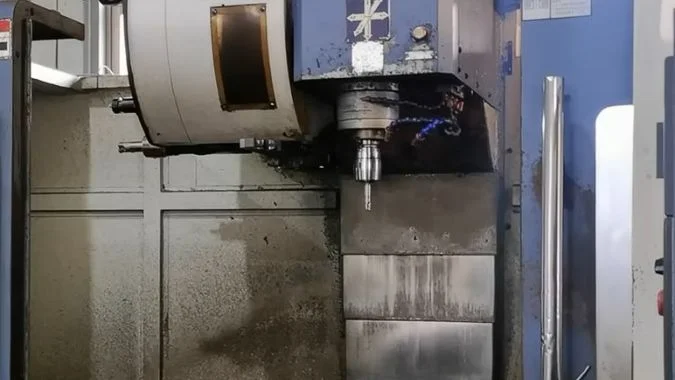
قد يبدو وقت تغيير الأداة المذكور في العروض التقديمية مثيراً للإعجاب في ظل اختبارات التحميل الفارغ، إلا أن الإنتاج الفعلي قد لا يزال يعاني من بطء تموضع المغزل، وبعد الأدوات، والقصور الذاتي عند التحميل الكامل، وتراكم تأخيرات التأكيد. كل مصدر للتأخير يستحق نظرة فاحصة.
كيف تزيد معايير النظام من وقت تغيير الأداة؟
قد تحتوي الماكينة على أجهزة سريعة، ومع ذلك يمكن للمعايير المتحفظة أن تفرض عمليات سحب طويلة، وفهرسة بطيئة للمخزنة، وانتظاراً غير ضروري أثناء كل عملية تغيير للأداة.
تزيد معايير النظام من وقت تغيير الأداة عندما تتطلب مواضع تغيير بعيدة، أو ارتفاعات أمان مفرطة، أو تأخيرات طويلة في توجيه المغزل، أو حركة متسلسلة للمخزنة. تعمل الإعدادات الأفضل على تقليل الحركة غير الضرورية والسماح بالاختيار المسبق للأداة دون إزالة الحماية الأساسية.
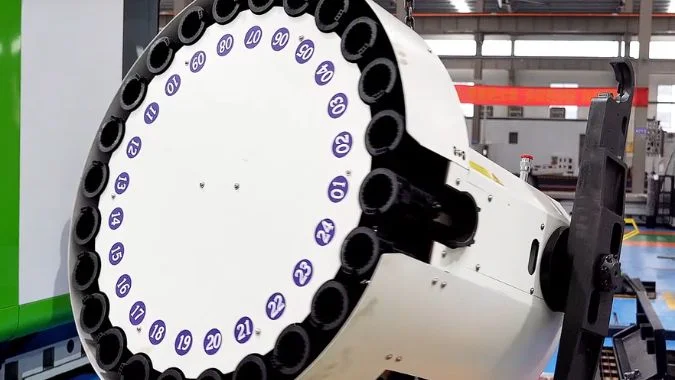
مواضع تغيير الأدوات الثابتة
يمكن لنقطة تغيير الأداة الثابتة أن تخلق مساراً طويلاً قبل أن يبدأ مغير الأدوات الأوتوماتيكي. على سبيل المثال، قد يتطلب النظام عودة المحور Z إلى أصله الميكانيكي. يجب أن يتراجع المغزل، ويصل إلى الإحداثيات المستهدفة، ويتوقف، ويكمل التوجيه. إن تغيير الأداة بالقرب من موضع القطع النهائي يتطلب حركة أقل بكثير، لكن المعايير تمنع هذا الخيار.
يخلق مستوى الأمان المفرط مشكلة مماثلة؛ حيث تقوم الماكينة برفع وخفض المغزل لمسافة أبعد مما تتطلبه هندسة التثبيت والأداة وقطعة العمل. هذه الحركة لا تنتج أجزاءً ولا تزيل مادة، وتتكرر الثواني الضائعة مع كل أمر M06.
التأخيرات ومنطق الاختيار المقيد
قد يؤدي إعداد M19 المتحفظ إلى تمديد وقت توجيه المغزل من 1.5 ثانية إلى 3 ثوانٍ.1. قد يؤدي الوقت الإضافي إلى تحسين الاستقرار، ولكن يجب أن يعكس الإعداد أداء المغزل الفعلي بدلاً من الاعتماد على افتراض أمان عام.
| مشكلة المعايير | الإجراء الناتج | التأثير على وقت الدورة |
|---|---|---|
| نقطة تغيير عالية ثابتة | سحب وعودة طويلة للمحور Z | حركة إضافية بدون قطع |
| ارتفاع أمان مفرط | رفع وخفض غير ضروري | حركة هوائية متكررة |
| تأخير طويل في M19 | انتظار توجيه ممتد | تحرير أبطأ للأداة |
| تعطيل الاختيار المسبق | المخزن ينتظر عودة عمود الدوران | اختيار تسلسلي للأداة |
| حد سرعة المخزن العالمي | فهرسة بطيئة بالقرب من الهدف | وقت بحث أطول |
المخازن ذات السلاسل الكبيرة تجعل هذه الإعدادات أكثر تكلفة. قد تتطلب الأداة البعيدة دورانًا طويلاً، يصل أحيانًا إلى 20 إلى 30 ثانية.2. عنونة عشوائية، منطق أقصر مسار للأمام وللخلف3, ، ويمكن للتدوير المسبق في الخلفية إخفاء الكثير من وقت البحث هذا داخل دورة القطع.
لماذا يؤدي سوء مطابقة القصور الذاتي إلى إبطاء حركة الأداة؟
قد ينتج محرك المخزن طاقة كافية، ولكن القصور الذاتي العالي للحمل المنعكس لا يزال يسبب تسارعًا بطيئًا، وتحكمًا غير مستقر، وأوقات تحديد موضع طويلة.
ضعف مطابقة القصور الذاتي يبطئ حركة الأداة لأن القصور الذاتي الأكبر للحمل يقلل التسارع ويخفض استقرار التحكم. يجب على وحدة التحكم بعد ذلك استخدام مكاسب أقل ومنحدرات تسارع أو تباطؤ أطول. الهدف العملي غالبًا ما يكون نسبة قصور ذاتي للحمل إلى المحرك عند أو أقل من 3:1.
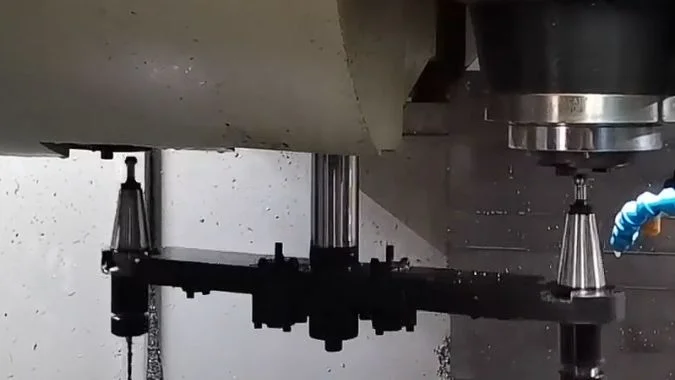
التأثير الميكانيكي للقصور الذاتي العالي
العلاقة الأساسية هي (T = Jxα).4. يوجد حد عملي لعزم الدوران المتاح. فعندما تزداد القصور الذاتي الكلي (J)، تنخفض التسارعات الممكن تحقيقها (α). وبالتالي، يحتاج مخزن السلاسل المحمل بالكامل إلى مزيد من الوقت للبدء والتبديل والتوقف مقارنة بالمخزن الفارغ. وتؤدي الحوامل الثقيلة والأدوات الطويلة وهياكل المخزن الكبيرة إلى زيادة هذا التأثير.
قد يظل ضعف توافق القصور الذاتي خفياً أثناء تجربة الأدوات القريبة. وتتضح المشكلة عندما يحمل المخزن كامل حمولته من الأدوات وينتقل إلى موضع بعيد. قد يحتاج محرك التشغيل إلى منحدر تسارع طويل ومنحدر كبح طويل بنفس القدر لمنع تجاوز الموضع أو التعرض لصدمة ميكانيكية.
تأثيرات التحكم وتعدد المحاور
يؤدي القصور الذاتي المرتفع أيضاً إلى خفض التردد الطبيعي لنظام التشغيل5. يصبح محرك المؤازرة (السيرفو) أكثر حساسية للرنين والاهتزاز6. يجب على مهندسي التحكم خفض مكاسب المؤازرة وتليين أوامر التسارع7. تعمل هذه التغييرات على حماية دقة التموضع، لكنها تقلل من سرعة الاستجابة.
يجب أن يقدم مورد المخزن المناسب حسابات القصور الذاتي للحمل الكامل عند عمود دوران المحرك. كما يجب أن يتضمن التصميم سعة مؤازرة مناسبة، ونسبة تخفيض، وبيانات كبح، وإعدادات تسارع منفصلة للأدوات القياسية والثقيلة. إن مجرد قدرة المحرك على تدوير المخزن لا تثبت أنه قادر على تلبية دورة التبديل المطلوبة.
ما الذي يجعل أقفال الأمان تتسبب في تأخيرات الانتظار؟
يعتمد تغيير الأداة على العديد من إشارات السلامة. إذ يمكن أن يؤدي تأخر المفتاح أو بطء الآلية أو وجود مؤقت ثابت إلى إيقاف التسلسل حتى عندما تكون جميع المكونات الأخرى جاهزة.
تتسبب أقفال الأمان في تأخيرات انتظار لأن تغيير الأداة يستخدم مصافحة تسلسلية. ينتظر كل إجراء التأكيد على الموضع، والضغط، والتشبيت، والأمان. تتراكم ردود الفعل البطيئة والمؤقتات التحفظية معًا، بينما يسمح التداخل المحسن بحدوث إجراءات آمنة بالتوازي.
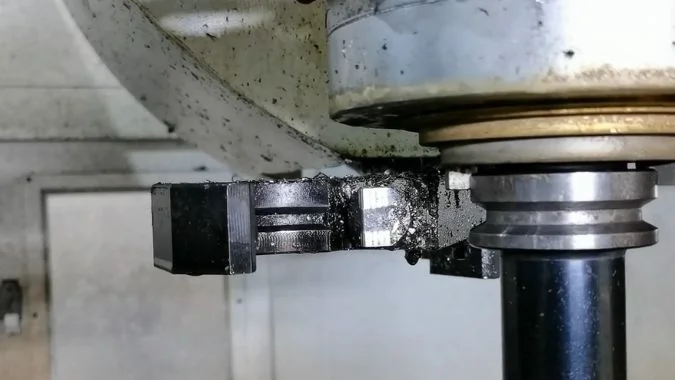
مصافحة الأمان التسلسلية
لا يمكن لمبدل الأدوات الآلي تخطي خطوات التأكيد بأمان. يجب أن يتوقف عمود الدوران ويصل إلى موضع توجيهه. يجب أن تصل محاور الماكينة إلى إحداثيات تغيير الأداة. يجب أن تصل إشارة فك التشبيت قبل إزالة الأداة. يجب أن تصل إشارة التشبيت قبل عودة الذراع أو حركة عمود الدوران.
تستخدم أوعية الأدوات والأذرع والمخازن أيضًا مفاتيح موضع. قد يتحقق جهاز التحكم من باب الأمان، وضغط الهواء، والضغط الهيدروليكي، واكتمال نفخ الهواء. قد يضيف جهاز التحكم في الماكينة القابل للبرمجة تأخير حماية وفحص أمان ثنائي القناة. لا تبدأ أي حركة حتى تصبح الشروط المطلوبة صحيحة.
| نقطة الانتظار | التأكيد المطلوب | مصدر تأخير شائع |
|---|---|---|
| تحضير عمود الدوران | اكتمال التوقف والتوجيه | تباطؤ بطيء أو مؤقت M19 |
| تحديد موضع المحور | تم الوصول إلى نقطة التغيير | سفر طويل أو معدل حركة سريعة منخفض |
| تحرير الأداة | تم تأكيد فك التشبيت | أسطوانة بطيئة أو فقدان ضغط |
| إدخال الأداة | تم تأكيد التشبيت | ضبط المستشعر أو التلوث |
| حركة المخزن | تم تأكيد وضع الوعاء والذراع | تفعيل مفتاح الحد المتأخر |
| حماية الآلة | إشارات الباب والضغط صالحة | تأخير ثابت في وحدة التحكم القابلة للبرمجة (PMC) |
طرق آمنة لتقليل وقت الانتظار
أفضل تحسين لا يزيل التعشيق الضروري؛ بل يقصر الإجراء المادي، ويحسن توقيت الإشارة، ويداخل الإجراءات التي لا تتعارض. يمكن إجراء الاختيار المسبق للمخزن أثناء القطع. يمكن أن يحدث دوران وعاء الأداة بينما يتحرك عمود الدوران نحو نقطة التغيير. يمكن أن تحدث عودة الوعاء بعد أن تقر وحدة التحكم بنجاح التبادل واستئناف التشغيل الآلي.
لا ينبغي أن تحكم التأخيرات الثابتة كل أداة. قد يحتاج المجس الطويل أو الحامل الثقيل إلى تسلسل أبطأ، بينما يمكن للأداة القياسية استخدام التسلسل السريع العادي. تمنع فئات الأدوات القابلة للتعديل أي أداة غير عادية من إبطاء المخزن بأكمله.
يجب أن يتضمن اختبار القبول مخططاً زمنياً. يجب أن يفصل المخطط بين توجيه عمود الدوران، وحركة المحور، وتحرير الأداة، وحركة الذراع، والتثبيت، وتأكيد الإشارة. تكشف هذه الطريقة ما إذا كان التأخير ناتجاً عن حركة فعلية أو عن انتظار وحدة التحكم لتغذية راجعة متأخرة.
كيف يمكن مطابقة سعة مخزنة الأدوات مع سرعة المغزل؟
اختيار أكبر مخزن متاح يمكن أن يضر بالإنتاجية عندما لا تستطيع كتلته، ووقت البحث، ومنطق التحكم دعم دورة القطع القصيرة لعمود دوران عالي السرعة.
يجب أن تتناسب سعة مخزن الأدوات مع قائمة أدوات العملية، وسرعة عمود الدوران، ووزن الأداة، ووقت الوصول المستهدف من رقاقة إلى أخرى. عادة ما يفضل العمل عالي السرعة مخزن أقراص منخفض القصور الذاتي، بينما قد يبرر العمل متعدد العمليات الثقيل استخدام مخزن سلسلة أو مصفوفة كبير مع الاختيار المسبق.
ابدأ بعمود الدوران والعملية
تحدد مواصفات عمود الدوران حدود مخزن الأدوات. يجب أن تسجل عملية الاختيار السرعة القصوى، والمخروط، ونوع الحامل، ووزن الأداة، وطول الأداة، وقطر الأداة المجاورة، ودرجة التوازن. يجب أن تسجل أيضاً وقت توقف عمود الدوران وتوجيهه.
تزود خطة العملية المجموعة الثانية من الحدود. تتضمن البيانات المهمة عدد تغييرات الأدوات لكل قطعة، وأقصر عملية قطع، وقائمة الأدوات المطلوبة، ووقت الوصول المستهدف من رقاقة إلى أخرى. وقت الوصول من رقاقة إلى أخرى يهم أكثر من عرض توضيحي منعزل من أداة إلى أداة لأنه يشمل الانقطاع الحقيقي للإنتاج.
يجب أن تغطي السعة قائمة أدوات العملية وتسمح عادةً بموضعين إلى أربعة مواضع إضافية. تزيد السعة الزائدة من الكتلة المتحركة وقد تزيد من أبعد مسافة بحث دون إضافة قيمة إنتاجية مفيدة.
طابق المخزن مع حالة التشغيل
| حالة التشغيل | عمود دوران نموذجي | مخزن مناسب | تطابق ضعيف |
|---|---|---|---|
| الثقب أو التنصت عالي التردد | 12,000–24,000 دورة في الدقيقة8 | قرص كام بـ 16–30 أداة مع اختيار مسبق9 | مخزن سلسلة كبير بدون اختيار مسبق |
| التصنيع العام متوسط السرعة | 8,000–15,000 دورة في الدقيقة | قرص ذو عنوان عشوائي بـ 24–40 أداة | سعة أكبر بكثير من قائمة الأدوات |
| العمليات متعددة المراحل الثقيلة | 6,000–10,000 دورة في الدقيقة | مخزن من نوع سلسلة أو مصفوفة بسعة 60 أداة أو أكثر | مخزن أقراص خفيف لحمل الأدوات كبيرة الحجم |
| خط إنتاج مرن | بناءً على أسرع جزء | إدارة عشوائية ذات سعة مشتركة | مخزن كبير ذو عنوان ثابت |
عادةً ما يعمل عمود الدوران عالي السرعة بشكل أفضل مع مخزن أقراص ذي مناول منخفض القصور الذاتي. يناسب المخزن الكبير من نوع السلسلة أو المصفوفة عمليات القطع الثقيلة والعمليات التي تتطلب بالفعل العديد من الأدوات. يجب أن يدعم هذا المخزن العنونة العشوائية، والبحث عن أقصر مسار ثنائي الاتجاه، والاختيار المسبق أثناء العملية.
تحقق من الأداء قبل الشراء
يجب على المورد تقديم بيانات التحميل الكامل بدلاً من عينة مخزن فارغ. يجب أن تتضمن الأرقام المطلوبة أوقات تبديل الأداة للأداة (tool-to-tool) وأوقات تبديل الأداة من القطعة للقطعة (chip-to-chip) للأدوات القريبة، والأدوات البعيدة، والأدوات الثقيلة. كما يجب على المورد تقديم مواصفات المحرك، والقصور الذاتي المنعكس، وإعدادات التسارع، وقائمة بالإجراءات التي يمكن أن تتداخل.
التصميم المتوافق يجتاز أربعة اختبارات عملية:
- تفي كل أداة بحدود عمود الدوران والمخزن من حيث الوزن، والطول، والقطر، والتوازن، والسرعة.
- يحافظ الاختيار المسبق على وقت تبديل الأداة من القطعة للقطعة للأداة البعيدة قريباً من أداء الأداة القريبة.
- الأدوات القياسية لا تستخدم إعدادات تسارع وتباطؤ الأدوات الثقيلة.
- انتظار التعشيق (Interlock) لا يرتفع بشكل حاد مع زيادة سعة المخزن.
الفشل في أحد هذه الاختبارات يستدعي نوعاً مختلفاً من المخازن، أو سعة مختلفة، أو نظام قيادة أو استراتيجية تحكم مختلفة. إن خفض سرعة عمود الدوران يخفي فقط عدم التوافق ويقلل من قيمة الآلة.
الخاتمة
يحمي مخزن الأدوات المتوافق زمن الدورة من خلال السعة المناسبة، ومنطق البحث الأمثل، والقصور الذاتي المُتحكم فيه، ومسارات الحركة القصيرة، ومصافحات الأمان السريعة والكاملة.
-
"توجيه زاوية عمود الدوران Doosan Fanuc | إعداد M19 S …"،, https://industrialmonitordirect.com/blogs/knowledgebase/doosan-cnc-spindle-angle-orientation-m19-s-command-setup-guide?srsltid. تتراوح أوقات توجيه عمود الدوران في مراكز التشغيل الحديثة عادةً من أقل من ثانية واحدة إلى حوالي 3 ثوانٍ، اعتماداً على سرعة عمود الدوران، ومعايير التباطؤ، ومتطلبات دقة التموضع. دور الدليل: دعم عام؛ نوع المصدر: بحث. يدعم: أوقات توجيه عمود الدوران النموذجية في مراكز التشغيل CNC. ملاحظة النطاق: تختلف الأوقات الفعلية بشكل كبير حسب فئة الآلة، ونوع عمود الدوران، وتكوين نظام التحكم ↩
-
"هل سعة مخزن الأدوات الأكبر أفضل دائماً لـ CNC …"،, https://jmcncmachine.com/is-larger-tool-magazine-capacity-always-better-for-cnc-machining-center/. يمكن أن تتطلب مخازن الأدوات ذات السعة الكبيرة من نوع السلسلة أو الدوار أوقات فهرسة تتراوح من بضع ثوانٍ للأدوات المجاورة إلى 20-40 ثانية لمواقع الأدوات الأبعد، اعتماداً على حجم المخزن وتصميم نظام القيادة. دور الدليل: دعم عام؛ نوع المصدر: بحث. يدعم: أوقات الفهرسة لمخازن الأدوات ذات السعة الكبيرة من نوع السلسلة. ملاحظة النطاق: يعتمد وقت الفهرسة الفعلي بشكل كبير على سعة المخزن، وقوة المحرك، وحدود التسارع، وما إذا كان يتم استخدام أقصر مسار أو الفهرسة أحادية الاتجاه ↩
-
"خوارزمية ديكسترا"،, https://en.wikipedia.org/wiki/Dijkstra%27s_algorithm. يمكن لفهرسة أقصر مسار ثنائية الاتجاه أن تقلل متوسط وقت دوران المخزن بنسبة 5% تقريبًا مقارنة بالفهرسة أحادية الاتجاه، خاصة في الأنظمة ذات السعة الكبيرة حيث تكون الأداة الأبعد على مسافة تزيد عن 180 درجة. دور الدليل: آلية؛ نوع المصدر: بحث. يدعم: فوائد تحسين استراتيجيات فهرسة أقصر مسار في أنظمة تخزين الأدوات الدوارة. ملاحظة النطاق: تعتمد الفائدة الفعلية على أنماط اختيار الأداة، وسعة المخزن، وما إذا كان نظام التحكم يدعم الاختيار المسبق أثناء التشغيل. ↩
-
"10.7 قانون نيوتن الثاني للدوران – مطبعة جامعة سنترال فلوريدا (UCF Pressbooks)"،, https://pressbooks.online.ucf.edu/osuniversityphysics/chapter/10-7-newtons-second-law-for-rotation/. هذا هو التناظر الدوراني لقانون نيوتن الثاني، حيث يعبر عن أن صافي العزم يساوي حاصل ضرب عزم القصور الذاتي والتسارع الزاوي. دور الدليل: تعريف؛ نوع المصدر: موسوعة. يدعم: العلاقة الرياضية بين العزم، وعزم القصور الذاتي، والتسارع الزاوي. ↩
-
"طريقة القمع الرنيني القائمة على تحكم PI للمسلسل..."،, https://pmc.ncbi.nlm.nih.gov/articles/PMC10358500/. يتناسب التردد الطبيعي في الأنظمة الميكانيكية عكسياً مع الجذر التربيعي للقصور الذاتي، حيث يؤدي القصور الذاتي الأعلى إلى خفض التردد الرنيني وتقليل عرض نطاق النظام. دور الدليل: آلية؛ نوع المصدر: تعليم. يدعم: العلاقة بين قصور النظام الذاتي والتردد الطبيعي في الأنظمة الميكانيكية. ↩
-
"كسر القواعد القديمة لمطابقة القصور الذاتي للمؤازر..."،, https://www.motioncontroltips.com/breaking-the-old-rules-of-inertia-matching/. يقلل القصور الذاتي العالي للحمل من صلابة نظام المؤازرة ويخفض الترددات الرنينية، مما يجعل النظام أكثر عرضة للرنين الميكانيكي ويتطلب تقليل مكاسب وحدة التحكم للحفاظ على الاستقرار. دور الدليل: آلية؛ نوع المصدر: تعليم. يدعم: تأثير القصور الذاتي العالي للحمل على استقرار نظام المؤازرة وخصائص الرنين. ↩
-
"استخدام مؤازر بحجم زائد لتجنب الضبط؟ : r/PLC"،, https://www.reddit.com/r/PLC/comments/17np7sp/oversize_servo_to_avoid_tuning/. عندما يتجاوز قصور الحمل الذاتي النسب الموصى بها بشكل كبير، يقوم مهندسو المؤازرة عادةً بتقليل مكاسب التناسب والسرعة مع تطبيق التغذية الأمامية للتسارع وملفات تعريف منحنى S أكثر سلاسة لمنع التجاوز والتذبذب. دور الدليل: آلية؛ نوع المصدر: تعليم. يدعم: ممارسات ضبط المؤازرة القياسية للأحمال ذات القصور الذاتي العالي. ملاحظة النطاق: تعتمد استراتيجيات الضبط المحددة على بنية محرك المؤازرة ومتطلبات التطبيق من حيث وقت الاستقرار والدقة. ↩
-
"السرعات والتغذية"،, https://en.wikipedia.org/wiki/Speeds_and_feeds. تعمل مراكز التشغيل عالية السرعة للألمنيوم والمواد الخفيفة عادةً بسرعات دوران تتراوح بين 10,000 و 24,000 دورة في الدقيقة، مع عمليات ثقب وتثقيب متخصصة عالية التردد تتجاوز أحيانًا 30,000 دورة في الدقيقة. دور الدليل: دعم عام؛ نوع المصدر: بحث. يدعم: نطاقات سرعة دوران المغزل النموذجية لعمليات الثقب والتثقيب عالية التردد. ملاحظة النطاق: تعتمد السرعات المثلى بشكل كبير على نوع المادة، وقطر الأداة، ومتطلبات العملية المحددة. ↩
-
"مخزن أدوات من النوع القرصي مقابل النوع المظلي"،, https://cncwmt.com/qa/disc-type-vs-umbrella-type-tool-magazine-comprehensive-selection-guide/. تتراوح مخازن الأدوات من النوع القرصي والمُدارة بكامات عادةً من 12 إلى 40 موقعًا للأداة، مع كون 16-30 أداة هو النطاق النموذجي لمراكز التشغيل ذات الأغراض العامة، مما يوفر قصورًا ذاتيًا أقل من مخازن السلسلة ذات السعة المماثلة. دور الدليل: دعم عام؛ نوع المصدر: أخرى. يدعم: نطاقات سعة الأداة النموذجية لمخازن الأدوات ذات القرص الكامي أو نمط المناول. ملاحظة النطاق: تختلف السعة بشكل كبير حسب حجم الآلة وفلسفة تصميم الشركة المصنعة. ↩

كريس لو
بالاستفادة من أكثر من عشر سنوات من الخبرة العملية في مجال صناعة أدوات الماكينات، خاصةً مع ماكينات بنظام التحكم الرقمي، أنا هنا لمساعدتك. سواءً كانت لديك أسئلة أثارها هذا المنشور، أو كنت بحاجة إلى إرشادات بشأن اختيار المعدات المناسبة (ماكينة بنظام التحكم الرقمي أو تقليدية)، أو كنت تستكشف حلولاً مخصصة للماكينات، أو كنت مستعدًا لمناقشة عملية شراء، فلا تتردد في الاتصال بي. دعنا نعثر على الأداة الآلية المثالية لاحتياجاتك.