

ما هي وظيفة جلبة التوجيه (Guide Bushing) في مخرطة CNC من النوع السويسري؟
يمكن للمواد الخام القضيبية الطويلة أن تنحني تحت تأثير قوة القطع.1. تتسبب هذه الحركة في حدوث اهتزاز، واستدقاق، وتشطيبات ضعيفة، ورفض الأجزاء الدقيقة.
يدعم جلبة التوجيه (Guide Bushing) المادة الخام بالقرب من أداة القطع في مخرطة CNC من النوع السويسري. فهي تعمل على تقصير الطول غير المدعوم، والحد من الانحناء والاهتزاز، وتوجيه الحركة الشعاعية، وتساعد الماكينة على إنتاج أجزاء طويلة ونحيفة بدقة.
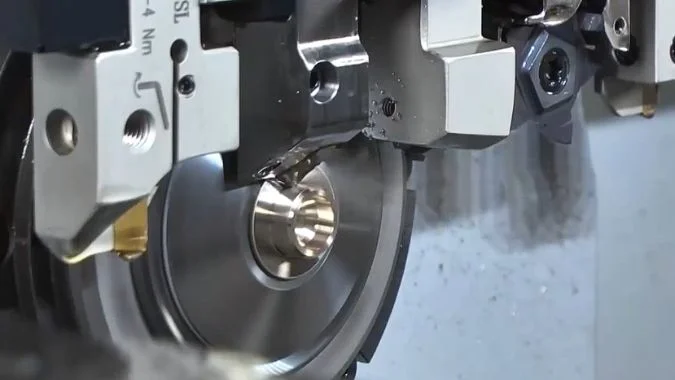
من خلال دعم المادة الخام مباشرة بجوار أداة القطع، تمنع جلبة التوجيه الانحراف والاهتزاز في الأجزاء الطويلة والنحيفة. ونظرًا لاختلاف هندسة الأجزاء، والتشطيبات، وتكاليف الإنتاج، توفر المخارط من النوع السويسري خيارات دعم مختلفة للتعامل مع تحديات التصنيع المتميزة.
ما هي الأنواع المختلفة لجلب التوجيه لمخارط CNC من النوع السويسري؟
يمكن أن يؤدي استخدام إعداد واحد لكل جزء إلى زيادة تكاليف المواد أو خفض الدقة. كما يمكن أن يتسبب وضع الدعم غير المناسب في حدوث خدوش واهتزاز وفشل في الجلبة.
تستخدم مخارط CNC من النوع السويسري ثلاثة أوضاع تشغيل رئيسية: جلبة التوجيه الدوارة، وجلبة التوجيه الثابتة، ووضع عدم استخدام جلبة التوجيه. تدعم الجلب الدوارة والثابتة الأجزاء النحيفة بالقرب من الأداة. ويزيل وضع عدم استخدام جلبة التوجيه هذا الدعم ويُستخدم بشكل أساسي للأجزاء القصيرة.
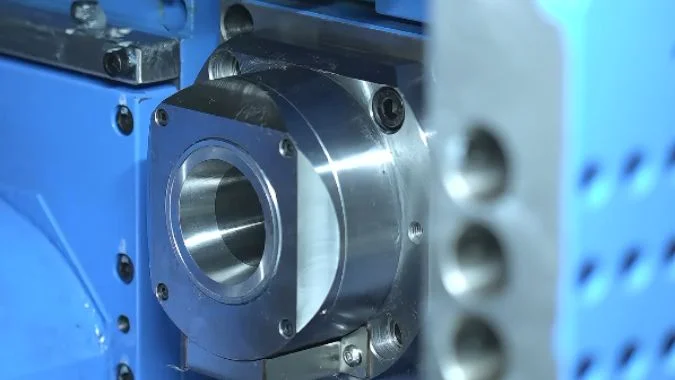
كيف يدعم كل وضع القضيب؟
تتصل جلبة التوجيه الدوارة بالمغزل الرئيسي من خلال نظام دفع.2. قد يشتمل النظام على أعمدة، أو تروس، أو أحزمة توقيت. تدور الجلبة بنفس سرعة المغزل والقضيب تقريبًا. تحد هذه الحركة المتزامنة من الاحتكاك الانزلاقي بين سطح القضيب وتجويف الجلبة.3. تعمل بشكل جيد مع الأجزاء الطويلة، وسرعات المغزل العالية، والأسطح التي يجب أن تظل خالية من علامات التوجيه.
تظل جلبة التوجيه الثابتة في مكانها بينما يدور المغزل والقضيب. يوفر تجويفها دعمًا شعاعيًا قويًا بالقرب من الأداة. يمكن لهيكل الدعم البسيط توفير تحديد موقع مستقر للغاية. ومع ذلك، ينزلق القضيب الدوار مقابل التجويف الثابت. تحتاج منطقة التلامس إلى طبقة زيت ثابتة.4. يعد استقامة القضيب، واستدارته، والتحكم في القطر أمورًا مهمة أيضًا.
يزيل وضع عدم استخدام جلبة التوجيه الدعم الأمامي. تمسك كوليت المغزل الرئيسي بالمادة، وتظل نقطة القطع قريبة من الكوليت. يقلل هذا الترتيب من الطول المتبقي ويبسط مسار القضيب. وهو مناسب للأجزاء القصيرة التي تتمتع بصلابة طبيعية كافية.
| الوضع | حركة الجلبة | طريقة الدعم الرئيسية | النطاق النموذجي لنسبة الطول إلى القطر (L/D) |
|---|---|---|---|
| جلبة التوجيه الدوارة | تدور مع عمود الدوران | دعم قريب من نقطة القطع مع احتكاك دوراني نسبي منخفض | عادةً أعلى من 35 |
| جلبة التوجيه الثابتة | تبقى ثابتة | دعم قريب من نقطة القطع من خلال تجويف دقيق ثابت | عادةً أعلى من 3 |
| وضع عدم استخدام جلبة التوجيه | لا يتم استخدام جلبة توجيه | ظرف عمود الدوران يدعم قطعة العمل | عادةً أقل من 3–3.5 |
تعد نسبة الطول إلى القطر نقطة انطلاق وليست قاعدة مطلقة. إذ يمكن أن تؤثر صلابة المادة، وعمق القطع، وموضع الأداة، وسرعة عمود الدوران، والتفاوت المطلوب على الاختيار النهائي.
ما هي مزايا وعيوب الأنواع الثلاثة لجلب التوجيه لمخارط CNC من النوع السويسري؟
يمكن أن يؤدي اختيار وضع الجلبة الخاطئ إلى تكاليف خفية تتمثل في الهالك، وفترات التوقف، وهدر نهايات القضبان. وتساعد المقارنة الواضحة في منع هذه الخسائر قبل بدء الإنتاج.
تدعم الجلب الدوارة عمليات القطع عالية السرعة باحتكاك سطحي أقل ولكن تكلفتها أعلى. بينما توفر الجلب الثابتة دقة قوية ولكنها تتطلب جودة جيدة للقضبان وتشحيماً مناسباً. أما وضع عدم استخدام جلبة التوجيه فيوفر في المواد ولكنه يوفر دعماً أقل لقطع العمل النحيلة.
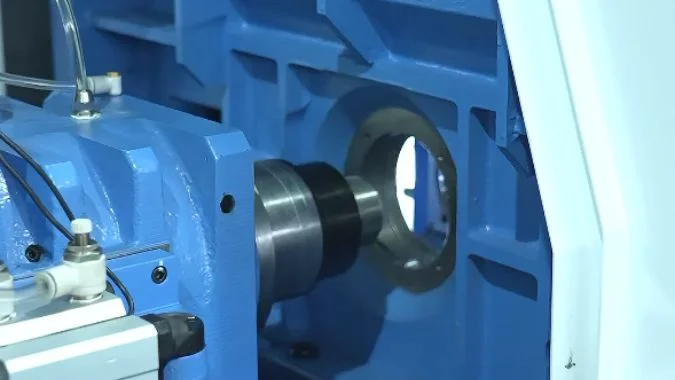
جلبة التوجيه الدوارة
تتمثل الفائدة الرئيسية للجلبة الدوارة في الحركة المتزامنة. حيث تدور الجلبة والقضيب معاً، مما يمنع القضيب من الاحتكاك الشديد بالتجويف الداخلي أثناء الدوران. وهذا يقلل من مخاطر حدوث خدوش، وحرارة، وتآكل. كما يسمح بسرعات دوران عالية نسبياً لعمود الدوران. وغالباً ما يكون التعامل مع أخطاء استقامة القضيب البسيطة أسهل مقارنة بالجلبة الثابتة.
تحتوي هذه الآلية على عدد أكبر من الأجزاء، حيث تزيد المحامل (البلي)، والسيور، والأعمدة، والموانع، وأجزاء التوصيل من تكلفة الشراء والصيانة. كما يمكن أن يؤدي تآكل ناقل الحركة أو انزلاق السير إلى حدوث اختلاف في السرعة بين الجلبة وعمود الدوران، مما قد يترك علامات على السطح أو يقلل من الاستقرار الأبعادي. بالإضافة إلى ذلك، تخلق مجموعة جلبة التوجيه مسافة أطول بين ظرف التثبيت ومنطقة القطع، مما يستلزم بقاء جزء أكبر من القضيب في نهاية الإنتاج، وبالتالي يقل معدل استخدام المواد. وقد يوفر النظام الدوار أيضاً استقراراً في التموضع أقل بقليل من الجلبة الثابتة المضبوطة جيداً في بعض التطبيقات الدقيقة.
جلبة توجيه ثابتة
تتمتع الجلبة الثابتة بهيكل أبسط ويمكنها توفير تحكم شعاعي قوي. وغالباً ما يتم اختيارها لعمليات التشغيل ذات السرعات المتوسطة أو المنخفضة حيث يلزم توفير دعم مستقر للغاية. كما أن تكاليف صيانة نظام الدفع أقل نظراً لعدم الحاجة إلى دفع متزامن للجلبة.
الاحتكاك النسبي هو قيدها الرئيسي؛ حيث يدور القضيب داخل فتحة ثابتة، ويجب أن يفصل بين السطحين غشاء زيتي مستمر. يمكن أن يؤدي ضعف التشحيم إلى حدوث حرارة، أو خدوش، أو انحشار، أو احتراق الجلبة.6. تزيد سرعة الدوران العالية من هذا الخطر. كما يحتاج القضيب الخام إلى استقامة جيدة، واستدارة، وتناسق في القطر. ومثل النوع الدوار، فإنها تترك بقايا أطول.
وضع عدم توجيه الجلبة
يوفر هذا الوضع أقصر بقايا ممكنة، تصل أحياناً إلى 30 مم في الآلات المناسبة.7. يوفر استخداماً عالياً للمواد واستجابة سريعة للأجزاء القصيرة. ومع ذلك، فإنه لا يوفر أي دعم بجانب نقطة القطع. وقد يؤدي البروز المفرط إلى الانحراف، والاهتزاز، والاستدقاق، وتلف الأداة، و أحمال أعلى على محمل عمود الدوران8.
| الوضع | المزايا الرئيسية | العيوب الرئيسية |
|---|---|---|
| دوار | قدرة عالية على السرعة، احتكاك دوراني منخفض، خدوش أقل على السطح، متطلبات أقل لاستقامة القضيب | تكلفة أعلى، نظام دفع معقد، بقايا طويلة، صيانة ناقل الحركة |
| ثابت | دعم شعاعي مستقر، إمكانية دقة عالية، آلية أبسط | يحتاج إلى جودة قضيب جيدة، تشحيم مستمر، حدود سرعة، بقايا طويلة |
| غير موجه | بقايا قصيرة، استهلاك مرتفع للمواد، مسار قضيب بسيط | دعم ضعيف، طول جزء محدود، حمل أعلى على عمود الدوران، خطر أكبر للاهتزاز |
ما نوع قطع العمل التي يناسبها كل نوع من الأنواع الثلاثة لجلب التوجيه؟
قد يبدو الجزء بسيطاً في الرسم ولكنه يتصرف بشكل مختلف أثناء القطع. يؤثر الطول والقطر والصلابة والسرعة ومتطلبات السطح جميعها على الصلابة.
تعتبر جلب التوجيه الدوارة مناسبة للأجزاء الطويلة التي يتم قطعها بسرعة عالية. وتناسب جلب التوجيه الثابتة الأجزاء الطويلة والدقيقة التي يتم إنتاجها بسرعات محكومة. أما وضع عدم استخدام جلبة توجيه فيناسب الأجزاء القصيرة والصلبة حيث يكون توفير المواد والإنتاج السريع أمراً مهماً.
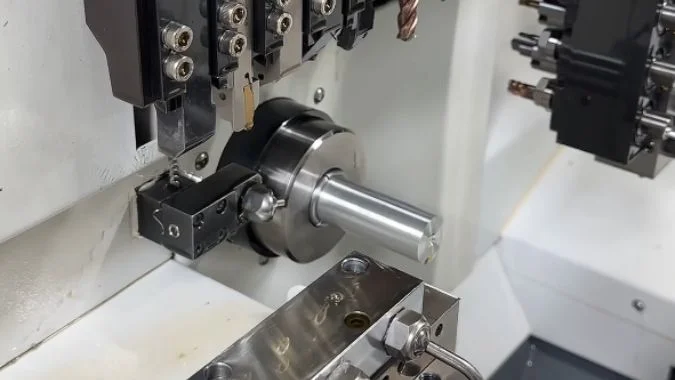
الاختيار بناءً على الطول والسرعة ومتطلبات السطح
تعتبر جلبة التوجيه الدوارة مناسبة عادةً للأعمدة الرفيعة التي تزيد نسبة طولها إلى قطرها عن 3. تشمل الأمثلة الشائعة دبابيس طبية، دبابيس توصيل، أعمدة محركات صغيرة، سيقان صمامات، براغي طويلة، وأجزاء دقيقة للأجهزة.9. كما أنها مفيدة عند الحاجة إلى سرعة عالية لعمود الدوران. يساعد الدوران المتزامن في حماية أسطح القضبان المصقولة أو المطلية من خدوش الدوران. يمكن تشغيل القضبان ذات التباين المعتدل في الاستقامة بشكل أكثر موثوقية في هذا الوضع، على الرغم من أن المواد المنحنية بشدة تظل غير مناسبة.
تدعم جلبة التوجيه الثابتة أيضاً قطع العمل ذات نسبة طول إلى قطر تزيد عن 3. وهي تناسب الأجزاء التي تحتاج إلى توجيه شعاعي مستقر وتحكم دقيق في الأبعاد عند سرعات متوسطة أو منخفضة. تعطي القضبان الأرضية ذات الاستقامة الجيدة والقطر المتسق أفضل النتائج. يمكن تشغيل المواد الصلبة في هذا الوضع عند التحكم في التشحيم والخلوص ومعايير القطع. تكون الجلبة الثابتة أقل ملاءمة عندما يكون سطح القضيب حساساً جداً لعلامات الاحتكاك.
يناسب وضع عدم استخدام جلبة توجيه الدبابيس القصيرة، والصواميل، والمباعدات، والحلقات، والموصلات القصيرة، والمكونات المسطحة أو المدمجة. النطاق الشائع هو أقل من نسبة طول إلى قطر تبلغ 3، على الرغم من أن بعض العمليات المستقرة قد تصل إلى حوالي 3.5. يعتمد الحد الفعلي على صلابة المادة وقوة القطع.
| حالة الإنتاج | الوضع المفضل | السبب الرئيسي |
|---|---|---|
| نسبة الطول إلى القطر (L/D) أكبر من 3 مع سرعة دوران عالية للمغزل | جلبة التوجيه الدوارة | دعم قريب من الأداة مع احتكاك دوراني منخفض |
| نسبة الطول إلى القطر (L/D) أكبر من 3 مع تحكم دقيق جداً في الأبعاد | جلبة التوجيه الثابتة | توجيه شعاعي مستقر |
| سطح القضيب حساس للخدش | جلبة التوجيه الدوارة | تدور الجلبة والقضيب معاً |
| أجزاء قصيرة ذات تكلفة مواد عالية | وضع عدم استخدام جلبة التوجيه | بقايا قضيب قصيرة |
| استقامة ضعيفة للقضيب | جلبة التوجيه الدوارة | تحمل أفضل للتغيرات المعتدلة |
| قضيب مستدير، مستقيم، ومصقول | جلبة التوجيه الثابتة | ملاءمة جيدة داخل التجويف الدقيق |
| أجزاء قصيرة وصلبة للإنتاج الضخم | وضع عدم استخدام جلبة التوجيه | إعداد بسيط واستخدام عالٍ للمواد |
لا ينبغي أن يتحكم طول الجزء وحده في القرار. قد يتسبب جزء قصير مصنوع من مادة صعبة في توليد قوة قطع عالية. بينما قد يظل الجزء الطويل ذو عمق القطع الصغير مستقراً تحت ظروف محكومة. يجب إجراء قطع تجريبي للتحقق من تغير القطر، والاستدقاق، والاستدارة، والتشطيب، وحمل الأداة، ودرجة حرارة المغزل. توفر الآلات التي تسمح بالتحويل بين أنماط التوجيه بالجلبة وبدون الجلبة مرونة أكبر للطلبات المتنوعة.
كيف يجب إجراء الصيانة اليومية لكل نوع من أنواع جلب التوجيه الثلاثة؟
الرايش الصغير، أو تدفق الزيت المنخفض، أو الحزام المرتخي يمكن أن يتلف الإعداد الدقيق بسرعة. إهمال الفحوصات اليومية قد يؤدي إلى حروق، وخدوش، وتوقف غير مخطط له.
تحتاج الجلب الدوارة إلى فحوصات للمحرك والمحامل. تحتاج الجلب الثابتة إلى تنظيف التجويف والتشحيم المستمر. تحتاج إعدادات عدم استخدام جلبة التوجيه إلى فحوصات للكوليت وواجهة المغزل. يحتاج كل نمط أيضاً إلى إزالة الرايش، وفحص سائل التبريد، وفحوصات دورية للربط.
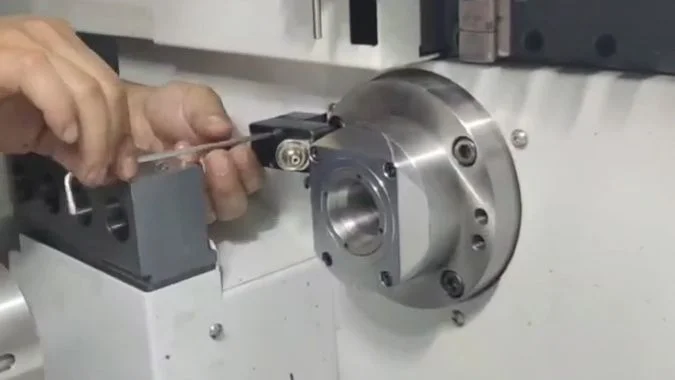
صيانة جلبة التوجيه الدوارة
يجب على المشغل فحص أحزمة التوقيت، وأعمدة الإدارة، وأجزاء التوصيل قبل الإنتاج. يجب أن يفي شد الحزام بمواصفات الشركة المصنعة للآلة. قد تشير التشققات، أو أسنان الحزام المصقولة، أو البكرات المرتخية، أو الاهتزاز غير الطبيعي إلى تآكل نظام الإدارة. يجب أن تظل سرعة جلبة التوجيه متزامنة مع سرعة المغزل. الانزلاق يخلق حركة نسبية وقد يخدش قطعة العمل.
تحتاج محامل جلبة التوجيه إلى الشحم أو الزيت أو رذاذ الزيت المحدد. يمكن أن يؤدي استخدام مادة التشحيم الخاطئة إلى زيادة الحرارة أو إتلاف الأختام. قد يشير الضجيج غير الطبيعي وارتفاع درجة حرارة الغلاف إلى فشل مبكر في المحامل. يجب أن تظل أختام المتاهة والأخاديد المجاورة خالية من الرايش الدقيق. يجب أن تتحرك الكوليت أو حشوة الجلبة بسلاسة وألا تحتوي على خلوص مفرط.
صيانة جلبة التوجيه الثابتة
يجب تنظيف التجويف في كل وردية باستخدام أداة ناعمة غير خادشة. يمكن للرقائق المعدنية المدمجة والزيت الجاف أن تسبب خدوشاً في القضيب أو تعيق الحركة. يجب عدم ملامسة التجويف الدقيق بأدوات التقاط من الفولاذ الصلب.
يحتاج مسار التشحيم إلى فحص يومي. يجب أن يصل رذاذ الزيت أو قطرات الزيت إلى منطقة التلامس قبل أن يبدأ عمود الدوران في العمل بسرعة الإنتاج. قد يؤدي ضعف طبقة الزيت أو انقطاعها إلى حرق الجلبة. يجب قياس القطر الداخلي والاستدارة والخلوص على فترات مخططة. الخلوص المفرط يقلل من الدعم ويسمح بحدوث استدقاق أو اهتزاز.
صيانة وضع غير جلبة التوجيه
تصبح قابض عمود الدوران نقطة الدعم الرئيسية. يجب إجراء فحوصات متكررة لقوة التثبيت، ونفاد القطر (runout)، والتآكل، وحركة الفتح. قد تتسبب الرقائق الموجودة حول القابض في ضعف التثبيت أو انزلاق القضيب. يجب أيضاً مراقبة درجة حرارة واجهة عمود الدوران والاهتزازات، لأن قوة القطع تعمل بالقرب من المحامل في حالة عدم وجود دعم جلبة التوجيه.
يجب أن يقوم سائل التبريد بإزالة الرقائق من مناطق القطع والقص. الرقائق الملتفة يمكن أن تخدش الأسطح النهائية أو تدخل إلى منطقة واجهة عمود الدوران.
| التردد | مهمة الصيانة |
|---|---|
| كل وردية | إزالة الرقائق، ومسح بقايا سائل التبريد، وفحص منطقة القطع |
| يومياً | التحقق من مستوى الزيت، وتدفق مواد التشحيم، وتدفق سائل التبريد، وأي ضوضاء غير طبيعية |
| يومياً لوضع الدوران | تحقق من حالة السير، والتزامن، والأختام، ودرجة حرارة المحامل |
| يومياً للوضع الثابت | نظف التجويف وتأكد من وجود طبقة زيت مستمرة |
| يومياً لوضع غير الموجه | تحقق من قبضة القابض (collet)، واهتزاز مقدمة عمود الدوران، وتراكم الرايش |
| أسبوعياً | تحقق من إطارات الدعم، وصواميل القفل، والخراطيم، والمثبتات الحيوية |
| على فترات مخططة | قِس تآكل التجويف، واهتزاز القابض، وحالة عمود الدوران، وتآكل نظام الدفع |
يجب أن تتبع حدود الصيانة ودرجات مواد التشحيم دائماً تعليمات الشركة المصنعة للآلة والجلبة. يمكن لسجل الفحص المكتوب أن يظهر التغيرات التدريجية قبل أن تتحول إلى أعطال في الإنتاج.
الخاتمة
تعمل جلبة التوجيه على دعم مخزون القضبان بالقرب من الأداة. يعمل الوضع الصحيح (الدوار، أو الثابت، أو غير الموجه) على الموازنة بين الدقة، والسرعة، وجودة السطح، والصيانة، واستخدام المواد.
-
"حاسبة انحراف قضيب الثقب"،, https://www.firgelliauto.com/blogs/engineering-calculators/boring-bar-deflection-calculator?srsltid=AfmBOoqBKtnzOPUcih1viGFmyZPyIPNTJhMpPILR8d16DZg_NAFduwEy. تؤكد الأبحاث حول ديناميكيات التشغيل الآلي أن قوى القطع تسبب انحرافاً مرناً في قطع العمل النحيلة، حيث يتناسب مقدار الانحراف طردياً مع الطول غير المدعوم وعكسياً مع صلابة المادة، مما يؤدي إلى أخطاء في الأبعاد وتدهور في جودة السطح. دور الأدلة: الآلية؛ نوع المصدر: بحث. يدعم: أن مخزون القضبان غير المدعوم يتعرض للانحراف تحت تأثير قوى القطع، مما يؤدي إلى عدم دقة الأبعاد والاهتزاز. ملاحظة النطاق: يدعم الاقتباس الآلية العامة ولكنه لا يحدد قيم انحراف محددة لعمليات المخرطة من النوع السويسري ↩
-
"فهم قابض عمود الدوران الرئيسي، وقابض عمود الدوران الفرعي …"،, https://www.youtube.com/watch?v=ReuHjIOOTeY. تصف الوثائق التقنية الخاصة بالمخارط من النوع السويسري أنظمة جلب التوجيه الدوارة التي تستخدم أحزمة التوقيت، أو التروس، أو وصلات الأعمدة للحفاظ على تزامن الدوران بين جلبة التوجيه وعمود الدوران الرئيسي، مما يقلل من الحركة النسبية بين قطعة العمل وسطح الدعم. دور الأدلة: الآلية؛ نوع المصدر: تعليمي. يدعم: أن جلب التوجيه الدوارة مقترنة ميكانيكياً بعمود الدوران من خلال عناصر نقل الحركة للحفاظ على التزامن. ↩
-
"التزامن الدوراني لشرائط الكافور"،, https://pubmed.ncbi.nlm.nih.gov/30780363/. تؤسس مبادئ الاحتكاك وعلوم التآكل (التريبولوجي) أن الاحتكاك والتآكل هما دالتان لسرعة الانزلاق النسبية بين أسطح التلامس؛ فعندما تتم مزامنة سرعات الدوران، تقترب الحركة النسبية من الصفر، مما يقلل الاحتكاك الانزلاقي إلى تأثيرات متبقية ناتجة عن عدم تطابق السرعة وتفاعلات خشونة السطح. دور الأدلة: الآلية؛ نوع المصدر: بحث. يدعم: أن الدوران المتزامن يقلل من سرعة الانزلاق النسبية وبالتالي يقلل من الاحتكاك والتآكل. ↩
-
"التعزيز التريبولوجي التآزري للجلب عبر …"،, https://ui.adsabs.harvard.edu/abs/2025JMEP..tmp.1428C/abstract. توضح نظرية تزييت المحامل أنه عندما يدور عمود داخل جلبة ثابتة، يجب الحفاظ على أنظمة التزييت الهيدروديناميكية أو الحدية من خلال إمداد مستمر بمواد التشحيم لفصل الأسطح، ومنع التآكل الالتصاقي، وتبديد الحرارة الناتجة عن الاحتكاك. دور الأدلة: الآلية؛ نوع المصدر: بحث. يدعم: أن طبقة مادة التشحيم المستمرة ضرورية لمنع التلامس المعدني في التكوينات ذات الحركة الدورانية النسبية. ↩
-
"نسب الطول إلى القطر الطويلة"،, https://www.unitedcenterlessgrinding.net/blog/swiss-precision-machining-for-parts-with-long-length-to-diameter-ratios. تحدد إرشادات هندسة التصنيع قطع العمل التي تتجاوز فيها نسبة الطول إلى القطر 3:1 كعناصر نحيلة عرضة لانحراف كبير تحت تأثير قوى القطع، وتتطلب عادةً دعماً إضافياً مثل المساند الثابتة، أو دعامات المركز، أو جلب التوجيه للحفاظ على دقة الأبعاد. دور الأدلة: دعم عام؛ نوع المصدر: تعليمي. يدعم: أن قطع العمل التي تزيد نسبة الطول إلى القطر فيها عن 3 تقريباً تعتبر نحيلة وعرضة للانحراف، مما يتطلب دعماً إضافياً. ملاحظة النطاق: تختلف العتبة الدقيقة باختلاف خصائص المادة، وظروف القطع، ومتطلبات التفاوت بدلاً من كونها قيمة عالمية ثابتة. ↩
-
"فشل المشحم = فشل المحمل"،, https://www.machinerylubrication.com/Read/1863/lubricant-failure. تُظهر الأبحاث في علم الاحتكاك حول فشل المحامل أن التشحيم غير الكافي يسمح بتلامس النتوءات والتفاعلات اللاصقة، مما يولد حرارة احتكاك قد تتجاوز درجات حرارة تلدين المواد، وتسبب خدش السطح، وتعزز انتقال المادة، وفي الحالات الشديدة تؤدي إلى الانغلاق الحراري. دور الدليل: آلية؛ نوع المصدر: بحث. يدعم: أن عدم كفاية التشحيم يؤدي إلى زيادة الاحتكاك وتوليد الحرارة وتلف السطح والانغلاق المحتمل في تلامسات المحامل الانزلاقية. ↩
-
"هل تحتاج الآلات حقاً إلى مغزل؟ | التحول إلى غير ..."،, https://www.youtube.com/watch?v=A06XLn_-aSU. تشير مواصفات المخرطة من النوع السويسري إلى أن التشغيل بدون جلبة توجيه يحقق عادةً بقايا قضبان أقصر، بقيم تتراوح عادة من 30 إلى 50 مم اعتمادًا على تصميم الآلة، مقارنة بـ 80 إلى 150 مم المعتادة لتكوينات جلبة التوجيه بسبب المسافة المقلصة بين القابض والأداة. دور الدليل: إحصائية؛ نوع المصدر: أخرى. يدعم: أن تكوينات عدم استخدام جلبة التوجيه يمكن أن تحقق بقايا قضبان أقصر مقارنة بأوضاع جلبة التوجيه. ملاحظة النطاق: يختلف الحد الأدنى الدقيق للبقايا بشكل كبير حسب طراز الآلة وتصميم المغزل وتكوين أداة القطع. ↩
-
"تحقيق في التحميل المسبق لمحمل المغزل على الديناميكيات و..."،, https://mtrc.utk.edu/wp-content/uploads/sites/45/2019/09/ozturk_kumar_turner_schmitz_preload.pdf. يُظهر تحليل ديناميكيات أدوات الآلات أنه عندما تعمل قوى القطع على قطعة عمل ناتئة غير مدعومة تمتد من المغزل، يتم نقل عزم الانحناء الناتج من خلال القابض إلى محامل المغزل، بمقدار يتناسب مع المسافة من نقطة القطع إلى موقع المحمل. دور الدليل: آلية؛ نوع المصدر: تعليم. يدعم: أن إزالة الدعم الوسيط تزيد من ذراع العزم لقوى القطع، وبالتالي تزيد الأحمال على محامل المغزل. ↩
-
"مخرطة CNC سويسرية الصنع للأغراض الطبية والسيارات ..."،, https://cncwmt.com/qa/why-swiss-type-cnc-lathe-is-the-ideal-choice-for-medical-device-and-automotive-component-manufacturing/. تُحدد استطلاعات صناعة التصنيع أن الخراطة من النوع السويسري هي طريقة إنتاج أساسية للمكونات الرفيعة عالية الدقة في الأجهزة الطبية (دبابيس جراحية، مكونات الغرسات)، والإلكترونيات (وصلات التوصيل)، والسيارات (مكونات نظام الوقود)، وقطاعات الأجهزة نظرًا لقدرة التكنولوجيا على تحقيق تفاوتات ضيقة للأجزاء الصغيرة القطر والطويلة. دور الدليل: مرجع حالة؛ نوع المصدر: أخرى. يدعم: أن الخراطة من النوع السويسري مع دعم جلبة التوجيه تُطبق على نطاق واسع في تصنيع الأجهزة الطبية، وموصلات الإلكترونيات، والمكونات الميكانيكية الدقيقة. ملاحظة النطاق: يدعم الاقتباس مجالات التطبيق العامة ولكنه لا يميز بشكل خاص بين أوضاع جلبة التوجيه الدوارة والثابتة لكل نوع من المكونات ↩

كريس لو
بالاستفادة من أكثر من عشر سنوات من الخبرة العملية في مجال صناعة أدوات الماكينات، خاصةً مع ماكينات بنظام التحكم الرقمي، أنا هنا لمساعدتك. سواءً كانت لديك أسئلة أثارها هذا المنشور، أو كنت بحاجة إلى إرشادات بشأن اختيار المعدات المناسبة (ماكينة بنظام التحكم الرقمي أو تقليدية)، أو كنت تستكشف حلولاً مخصصة للماكينات، أو كنت مستعدًا لمناقشة عملية شراء، فلا تتردد في الاتصال بي. دعنا نعثر على الأداة الآلية المثالية لاحتياجاتك.