

Qual è la funzione della boccola di guida in un tornio CNC di tipo svizzero?
Le barre lunghe possono flettersi sotto la forza di taglio.1. Questo movimento causa vibrazioni, conicità, finiture scadenti e lo scarto di componenti di precisione.
Una bussola di guida sostiene la barra vicino all'utensile di taglio in un tornio CNC a fantina mobile. Riduce la lunghezza non supportata, limita la flessione e le vibrazioni, guida il movimento radiale e aiuta la macchina a produrre componenti lunghi e sottili con precisione.
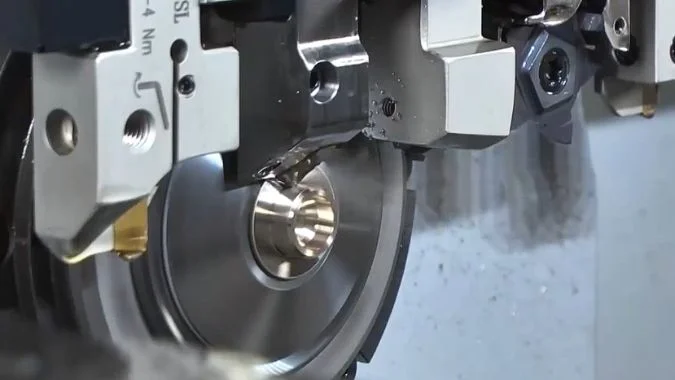
Supportando la barra direttamente accanto all'utensile di taglio, la bussola di guida previene la deflessione e le vibrazioni su componenti lunghi e sottili. Poiché le geometrie dei pezzi, le finiture e i costi di produzione variano, i torni a fantina mobile offrono diverse opzioni di supporto per gestire le specifiche sfide di lavorazione.
Quali sono i diversi tipi di bussole di guida per torni CNC a fantina mobile?
Utilizzare un'unica configurazione per ogni componente può aumentare i costi del materiale o ridurre la precisione. Una modalità di supporto inadeguata può anche causare graffi, vibrazioni e guasti alla bussola.
I torni CNC a fantina mobile utilizzano tre modalità operative principali: bussola di guida rotante, bussola di guida fissa e modalità senza bussola di guida. Le bussole rotanti e fisse supportano i pezzi sottili vicino all'utensile. La modalità senza bussola di guida rimuove questo supporto ed è utilizzata principalmente per pezzi corti.
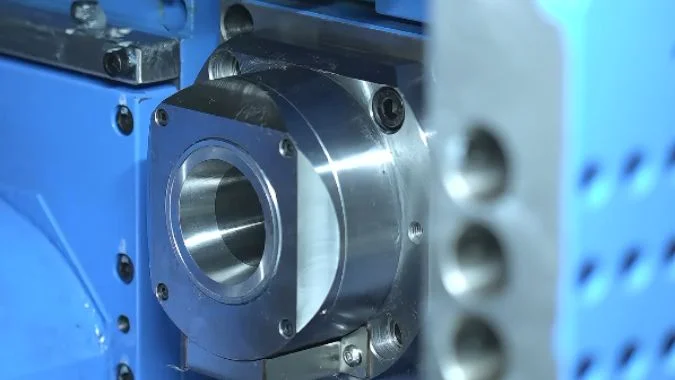
In che modo ciascuna modalità supporta la barra?
Una bussola di guida rotante è collegata al mandrino principale tramite un sistema di trasmissione.2. Il sistema può includere alberi, ingranaggi o cinghie dentate. La bussola ruota quasi alla stessa velocità del mandrino e della barra. Questo movimento sincronizzato limita l'attrito radente tra la superficie della barra e il foro della bussola.3. Funziona bene per pezzi lunghi, velocità del mandrino più elevate e superfici che devono rimanere prive di segni di guida.
Una bussola di guida fissa rimane stazionaria mentre il mandrino e la barra ruotano. Il suo foro fornisce un solido supporto radiale vicino all'utensile. La semplice struttura di supporto può offrire un posizionamento molto stabile. Tuttavia, la barra rotante scivola contro il foro stazionario. L'area di contatto necessita di un film d'olio costante.4. Anche la rettilineità, la rotondità e il controllo del diametro della barra sono importanti.
La modalità senza bussola di guida rimuove il supporto anteriore. La pinza del mandrino principale trattiene il materiale e il punto di taglio rimane vicino alla pinza. Questa disposizione riduce la lunghezza dello sfrido e semplifica il percorso della barra. È adatta per pezzi corti che possiedono una sufficiente rigidità naturale.
| Modalità | Movimento della boccola | Metodo di supporto principale | Intervallo L/D tipico |
|---|---|---|---|
| Boccola di guida rotante | Ruota insieme al mandrino | Supporto a punto vicino con basso attrito rotazionale relativo | Solitamente superiore a 35 |
| Boccola di guida fissa | Rimane stazionaria | Supporto a punto vicino tramite un foro di precisione fisso | Solitamente superiore a 3 |
| Modalità senza boccola di guida | Non viene utilizzata alcuna boccola di guida | La pinza del mandrino supporta il pezzo | Solitamente inferiore a 3–3,5 |
Il rapporto lunghezza-diametro è un punto di partenza piuttosto che una regola assoluta. La durezza del materiale, la profondità di taglio, la posizione dell'utensile, la velocità del mandrino e la tolleranza richiesta possono modificare la scelta finale.
Quali sono i vantaggi e gli svantaggi dei tre tipi di bussole di guida per torni CNC a fantina mobile?
La modalità di boccola errata può nascondere costi in scarti, tempi di inattività e sfridi di barra. Un confronto chiaro previene queste perdite prima dell'inizio della produzione.
Le boccole rotanti supportano il taglio ad alta velocità con meno attrito superficiale, ma costano di più. Le boccole fisse possono offrire una forte precisione, ma richiedono una buona qualità della barra e lubrificazione. La modalità senza boccola di guida consente di risparmiare materiale, ma offre meno supporto per i pezzi sottili.
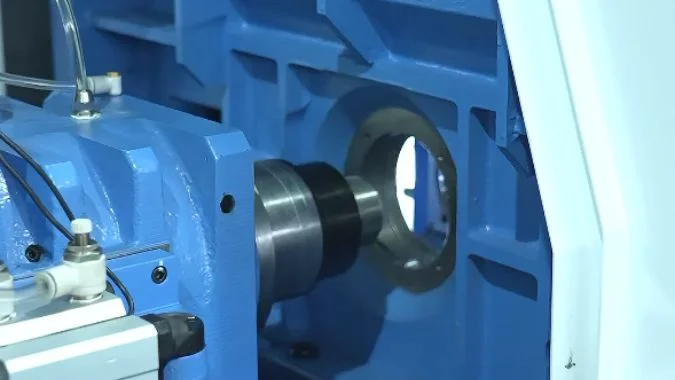
Boccola di guida rotante
Il vantaggio principale di una boccola rotante è il movimento sincronizzato. La boccola e la barra ruotano insieme, quindi la barra non sfrega pesantemente attorno al foro interno durante la rotazione. Ciò riduce il rischio di graffi, calore e grippaggio. Consente inoltre velocità del mandrino relativamente elevate. Lievi errori di rettilineità della barra sono spesso più facili da gestire rispetto a una boccola fissa.
Il meccanismo ha più componenti. Cuscinetti, cinghie, alberi, guarnizioni e parti di accoppiamento aumentano il costo di acquisto e di manutenzione. L'usura della trasmissione o lo slittamento della cinghia possono creare una differenza di velocità tra la boccola e il mandrino. Tale differenza può segnare la superficie o ridurre la stabilità dimensionale. Il gruppo della boccola di guida crea anche una distanza maggiore tra la pinza e l'area di taglio. Deve rimanere più barra alla fine di un ciclo di produzione, quindi l'utilizzo del materiale è inferiore. Un sistema rotante può anche fornire una stabilità di posizionamento leggermente inferiore rispetto a una boccola fissa regolata correttamente in alcune applicazioni di precisione.
Bussola guida fissa
Una bussola fissa presenta una struttura più semplice e può offrire un solido controllo radiale. Viene spesso scelta per lavorazioni a velocità medio-bassa dove è richiesto un supporto molto stabile. I costi di manutenzione del sistema di azionamento sono inferiori poiché non è necessario alcun azionamento sincronizzato della bussola.
L'attrito relativo è il suo limite principale. La barra ruota all'interno di un foro stazionario. Un film d'olio continuo deve separare entrambe le superfici. Una scarsa lubrificazione può causare calore, graffi, inceppamenti o una bussola bruciata6. Un'elevata velocità del mandrino aumenta questo rischio. La barra grezza richiede inoltre una buona rettilineità, rotondità e uniformità del diametro. Come il tipo rotante, lascia uno sfrido più lungo.
Modalità senza bussola guida
Questa modalità fornisce lo sfrido più corto, talvolta vicino ai 30 mm su una macchina idonea7. Offre un elevato utilizzo del materiale e una risposta rapida per pezzi corti. Tuttavia, non fornisce alcun supporto oltre il punto di taglio. Una sporgenza eccessiva può causare flessione, vibrazioni, conicità, danni agli utensili e carichi maggiori sui cuscinetti del mandrino8.
| Modalità | Vantaggi principali | Principali svantaggi |
|---|---|---|
| Rotante | Capacità ad alta velocità, basso attrito rotazionale, meno graffi superficiali, minore richiesta di rettilineità della barra | Costo più elevato, azionamento complesso, sfrido lungo, manutenzione della trasmissione |
| Fisso | Supporto radiale stabile, potenziale di alta precisione, meccanismo più semplice | Richiede una buona qualità della barra, lubrificazione costante, limiti di velocità, sfrido lungo |
| Senza bussola | Sfrido corto, elevato utilizzo di materiale, percorso della barra semplice | Supporto debole, lunghezza del pezzo limitata, carico del mandrino più elevato, maggiore rischio di vibrazioni |
A quale tipo di pezzo è adatto ciascuno dei tre tipi di bussole di guida?
Un pezzo può sembrare semplice in un disegno ma comportarsi diversamente durante il taglio. Lunghezza, diametro, durezza, velocità e requisiti superficiali influenzano la rigidità.
Le bussole rotanti sono adatte per pezzi lunghi tagliati ad alta velocità. Le bussole fisse sono adatte per pezzi lunghi e precisi prodotti a velocità controllate. La modalità senza bussola è adatta per pezzi corti e rigidi dove il risparmio di materiale e la produzione rapida sono importanti.
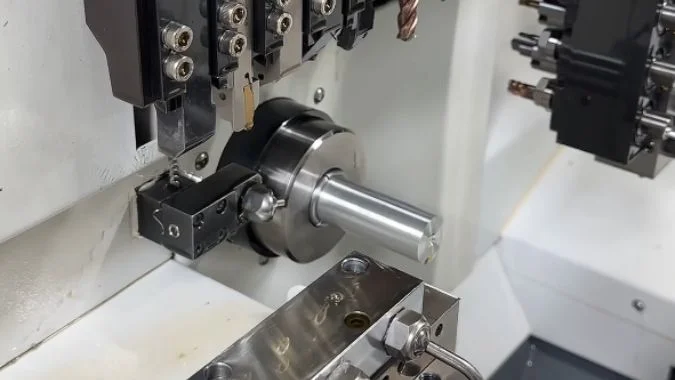
Selezione in base a lunghezza, velocità e requisiti superficiali
Una bussola rotante è normalmente adatta per alberi sottili con un rapporto lunghezza-diametro superiore a 3. Esempi comuni includono perni medici, pin di connessione, piccoli alberi motore, steli di valvole, viti lunghe e componenti per strumenti di precisione9. È utile anche quando è necessaria un'alta velocità del mandrino. La rotazione sincrona aiuta a proteggere le superfici delle barre lucide o rivestite dai graffi rotazionali. Le barre con una moderata variazione di rettilineità possono scorrere in modo più affidabile in questa modalità, sebbene il materiale gravemente piegato rimanga inadatto.
Una bussola fissa supporta anche pezzi con un rapporto lunghezza-diametro superiore a 3. Si adatta a pezzi che necessitano di una guida radiale stabile e di un controllo dimensionale rigoroso a velocità medie o inferiori. Le barre rettificate con buona rettilineità e diametro costante danno il miglior risultato. I materiali duri possono essere lavorati in questa modalità quando lubrificazione, gioco e parametri di taglio sono controllati. Una bussola fissa è meno adatta quando la superficie della barra è altamente sensibile ai segni di sfregamento.
La modalità senza bussola è adatta per perni corti, dadi, distanziali, rondelle, connettori corti e componenti piatti o compatti. L'intervallo comune è inferiore a un rapporto L/D di 3, sebbene alcuni processi stabili possano raggiungere circa 3,5. Il limite effettivo dipende dalla rigidità del materiale e dalla forza di taglio.
| Condizione di produzione | Modalità preferita | Motivo principale |
|---|---|---|
| Rapporto L/D superiore a 3 con alta velocità del mandrino | Boccola di guida rotante | Supporto vicino all'utensile con basso attrito rotazionale |
| Rapporto L/D superiore a 3 con controllo dimensionale molto rigoroso | Boccola di guida fissa | Guida radiale stabile |
| Superficie della barra sensibile ai graffi | Boccola di guida rotante | La bussola e la barra ruotano insieme |
| Pezzi corti con costi del materiale elevati | Modalità senza boccola di guida | Scarto di barra corto |
| Scarsa rettilineità della barra | Boccola di guida rotante | Migliore tolleranza alle variazioni moderate |
| Barra rettificata, dritta e rotonda | Boccola di guida fissa | Buon accoppiamento all'interno del foro di precisione |
| Pezzi corti e rigidi per la produzione di massa | Modalità senza boccola di guida | Configurazione semplice e alto utilizzo del materiale |
La lunghezza del pezzo da sola non dovrebbe determinare la decisione. Un pezzo corto realizzato con un materiale difficile può comunque generare un'elevata forza di taglio. Un pezzo lungo con una profondità di taglio ridotta può rimanere stabile in condizioni controllate. Un taglio di prova dovrebbe verificare la variazione del diametro, la conicità, la rotondità, la finitura, il carico dell'utensile e la temperatura del mandrino. Le macchine che consentono la conversione tra modalità con bussola di guida e senza bussola di guida offrono maggiore flessibilità per ordini misti.
Come deve essere eseguita la manutenzione quotidiana per ciascuna delle tre bussole di guida?
Trucioli piccoli, basso flusso d'olio o una cinghia allentata possono danneggiare rapidamente una configurazione di precisione. I controlli giornalieri mancati possono portare a bruciature, graffi e tempi di inattività non pianificati.
Le bussole rotanti necessitano di controlli alla trasmissione e ai cuscinetti. Le bussole fisse necessitano della pulizia del foro e di una lubrificazione continua. Le configurazioni senza bussola di guida richiedono controlli alla pinza e alla parte anteriore del mandrino. Ogni modalità necessita inoltre della rimozione dei trucioli, dell'ispezione del refrigerante e di controlli regolari dei serraggi.
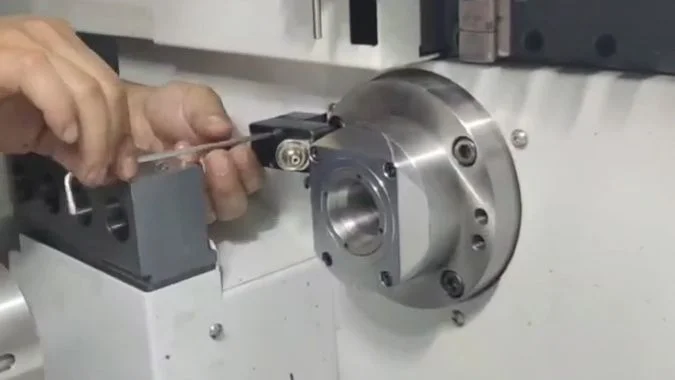
Manutenzione della bussola di guida rotante
L'operatore deve ispezionare le cinghie di trasmissione, gli alberi di trasmissione e le parti di accoppiamento prima della produzione. La tensione della cinghia deve soddisfare le specifiche del produttore della macchina. Incrinature, denti della cinghia usurati, pulegge allentate o vibrazioni anomale possono indicare un'usura della trasmissione. La velocità della bussola di guida deve rimanere sincronizzata con la velocità del mandrino. Lo slittamento crea un movimento relativo e può graffiare il pezzo.
I cuscinetti della bussola di guida necessitano del grasso, dell'olio o dell'olio nebulizzato specificati. Il lubrificante errato può aumentare il calore o danneggiare le guarnizioni. Rumori anomali e l'aumento della temperatura dell'alloggiamento possono indicare un guasto prematuro del cuscinetto. Le guarnizioni a labirinto e le scanalature vicine devono rimanere libere da trucioli fini. La pinza o l'inserto della bussola devono muoversi agevolmente e non devono presentare un gioco eccessivo.
Manutenzione della bussola di guida fissa
L'alesaggio deve essere pulito a ogni turno con un utensile morbido e antigraffio. I trucioli incastrati e l'olio essiccato possono rigare la barra o bloccare il movimento. Gli strumenti in acciaio duro non devono toccare un alesaggio di precisione.
Il percorso di lubrificazione necessita di un'ispezione giornaliera. L'olio nebulizzato o a goccia deve raggiungere l'area di contatto prima che il mandrino inizi a lavorare alla velocità di produzione. Un velo d'olio debole o interrotto può bruciare la bussola. Il diametro interno, la rotondità e il gioco devono essere misurati a intervalli programmati. Un gioco eccessivo riduce il supporto e causa conicità o vibrazioni.
Manutenzione in modalità senza bussola di guida
La pinza del mandrino diventa il principale punto di supporto. La sua forza di serraggio, il runout, l'usura e l'azione di apertura necessitano di controlli frequenti. I trucioli attorno alla pinza possono causare un alloggiamento impreciso o lo slittamento della barra. La temperatura e le vibrazioni della parte anteriore del mandrino devono essere monitorate, poiché la forza di taglio agisce più vicino ai cuscinetti senza il supporto della bussola di guida.
Il refrigerante deve rimuovere i trucioli dalle aree di taglio e troncatura. I trucioli avvolti possono graffiare le superfici finite o penetrare nella parte anteriore del mandrino.
| Frequenza | Attività di manutenzione |
|---|---|
| Ogni turno | Rimuovere i trucioli, pulire i residui di refrigerante e ispezionare l'area di taglio |
| Giornaliero | Controllare il livello dell'olio, il flusso del lubrificante, il flusso del refrigerante e verificare la presenza di rumori anomali |
| Giornalmente per la modalità rotante | Controllare le condizioni della cinghia, la sincronizzazione, le guarnizioni e la temperatura dei cuscinetti |
| Giornaliero per la modalità fissa | Pulire l'alesaggio e verificare la presenza di un film d'olio continuo |
| Giornaliero per la modalità non guidata | Controllare la presa della pinza, le vibrazioni del mandrino anteriore e l'accumulo di trucioli |
| Settimanale | Controllare i telai di supporto, i dadi di bloccaggio, i tubi flessibili e gli elementi di fissaggio critici |
| A intervalli programmati | Misurare l'usura dell'alesaggio, il fuori giri della pinza, le condizioni del mandrino e l'usura dell'azionamento |
I limiti di manutenzione e i gradi dei lubrificanti devono sempre seguire le istruzioni del produttore della macchina e della bussola. Un registro di ispezione scritto può mostrare cambiamenti graduali prima che diventino guasti produttivi.
Conclusione
Una bussola di guida sostiene la barra vicino all'utensile. La corretta modalità rotante, fissa o non guidata bilancia precisione, velocità, qualità superficiale, manutenzione e utilizzo del materiale.
-
"Calcolatore di deflessione della barra di alesatura", https://www.firgelliauto.com/blogs/engineering-calculators/boring-bar-deflection-calculator?srsltid=AfmBOoqBKtnzOPUcih1viGFmyZPyIPNTJhMpPILR8d16DZg_NAFduwEy. La ricerca sulla dinamica di lavorazione conferma che le forze di taglio causano una deflessione elastica nei pezzi sottili, con un'entità della deflessione proporzionale alla lunghezza non supportata e inversamente proporzionale alla rigidità del materiale, con conseguenti errori dimensionali e degrado della finitura superficiale. Ruolo dell'evidenza: meccanismo; tipo di fonte: ricerca. Supporta: il fatto che le barre non supportate subiscano una deflessione sotto le forze di taglio, portando a imprecisioni dimensionali e vibrazioni. Nota di ambito: la citazione supporta il meccanismo generale ma non quantifica valori di deflessione specifici per le operazioni su tornio di tipo svizzero ↩
-
"Comprendere la pinza del mandrino principale, la pinza del contro-mandrino …", https://www.youtube.com/watch?v=ReuHjIOOTeY. La documentazione tecnica sui torni di tipo svizzero descrive sistemi di boccole di guida rotanti che impiegano cinghie di distribuzione, ingranaggi o giunti d'albero per mantenere la sincronizzazione rotazionale tra la bussola di guida e il mandrino principale, riducendo al minimo il movimento relativo tra il pezzo e la superficie di supporto. Ruolo dell'evidenza: meccanismo; tipo di fonte: istruzione. Supporta: il fatto che le boccole di guida rotanti siano accoppiate meccanicamente al mandrino tramite elementi di trasmissione per mantenere la sincronizzazione. ↩
-
"Sincronizzazione rotazionale di nastri di canfora", https://pubmed.ncbi.nlm.nih.gov/30780363/. I principi tribologici stabiliscono che l'attrito e l'usura sono funzioni della velocità di scorrimento relativo tra le superfici di contatto; quando le velocità di rotazione sono sincronizzate, il movimento relativo si avvicina allo zero, riducendo l'attrito radente principalmente agli effetti residui derivanti dalla mancata corrispondenza di velocità e dalle interazioni di rugosità superficiale. Ruolo dell'evidenza: meccanismo; tipo di fonte: ricerca. Supporta: il fatto che la rotazione sincronizzata riduca al minimo la velocità di scorrimento relativo e quindi riduca l'attrito e l'usura. ↩
-
"Miglioramento tribologico sinergico delle boccole tramite …", https://ui.adsabs.harvard.edu/abs/2025JMEP..tmp.1428C/abstract. La teoria della lubrificazione dei cuscinetti dimostra che, quando un albero ruota all'interno di una bussola stazionaria, devono essere mantenuti regimi di lubrificazione idrodinamica o limite attraverso un'alimentazione continua di lubrificante per separare le superfici, prevenire l'usura adesiva e dissipare il calore di attrito. Ruolo dell'evidenza: meccanismo; tipo di fonte: ricerca. Supporta: il fatto che un film lubrificante continuo sia necessario per prevenire il contatto metallo-metallo in configurazioni con movimento rotazionale relativo. ↩
-
"Lunghi rapporti lunghezza-diametro", https://www.unitedcenterlessgrinding.net/blog/swiss-precision-machining-for-parts-with-long-length-to-diameter-ratios. Le linee guida di ingegneria manifatturiera identificano i pezzi con rapporti lunghezza-diametro superiori a 3:1 come componenti sottili suscettibili a una deflessione significativa sotto le forze di taglio, che solitamente richiedono supporti ausiliari come lunette, supporti centrali o boccole di guida per mantenere la precisione dimensionale. Ruolo dell'evidenza: supporto generale; tipo di fonte: istruzione. Supporta: il fatto che i pezzi con rapporti lunghezza-diametro superiori a circa 3 siano considerati sottili e soggetti a deflessione che richiede un supporto aggiuntivo. Nota di ambito: la soglia esatta varia in base alle proprietà del materiale, alle condizioni di taglio e ai requisiti di tolleranza piuttosto che essere un valore universale fisso ↩
-
"Guasto del lubrificante = Guasto del cuscinetto", https://www.machinerylubrication.com/Read/1863/lubricant-failure. La ricerca tribologica sui guasti dei cuscinetti dimostra che una lubrificazione inadeguata consente il contatto tra le asperità e interazioni adesive, generando calore di attrito che può superare le temperature di rinvenimento del materiale, causare scalfitture superficiali, promuovere il trasferimento di materiale e, in casi gravi, portare al grippaggio termico. Ruolo dell'evidenza: meccanismo; tipo di fonte: ricerca. Supporta: il fatto che una lubrificazione insufficiente porti a un aumento dell'attrito, alla generazione di calore, al danneggiamento della superficie e a un potenziale grippaggio nei contatti dei cuscinetti a scorrimento. ↩
-
"Le macchine hanno davvero BISOGNO di un mandrino? | Passare al NON ...", https://www.youtube.com/watch?v=A06XLn_-aSU. Le specifiche dei torni di tipo svizzero indicano che il funzionamento senza bussola di guida raggiunge solitamente sfridi di barra più brevi, con valori che variano comunemente da 30 a 50 mm a seconda del design della macchina, rispetto agli 80-150 mm tipici delle configurazioni con bussola di guida, a causa della ridotta distanza tra pinza e utensile. Ruolo dell'evidenza: statistica; tipo di fonte: altro. Supporta: il fatto che le configurazioni senza bussola di guida possano ottenere sfridi di barra più brevi rispetto alle modalità con bussola di guida. Nota di ambito: lo sfrido minimo esatto varia significativamente in base al modello della macchina, al design del mandrino e alla configurazione dell'utensile di troncatura. ↩
-
"Indagine sul precarico dei cuscinetti del mandrino sulla dinamica e ...", https://mtrc.utk.edu/wp-content/uploads/sites/45/2019/09/ozturk_kumar_turner_schmitz_preload.pdf. L'analisi della dinamica delle macchine utensili mostra che, quando le forze di taglio agiscono su un pezzo a sbalzo non supportato che si estende dal mandrino, il momento flettente risultante viene trasmesso attraverso la pinza ai cuscinetti del mandrino, con un'intensità proporzionale alla distanza dal punto di taglio alla posizione del cuscinetto. Ruolo dell'evidenza: meccanismo; tipo di fonte: istruzione. Supporta: il fatto che la rimozione del supporto intermedio aumenti il braccio di leva delle forze di taglio, aumentando quindi i carichi sui cuscinetti del mandrino. ↩
-
"Tornio CNC di tipo svizzero per il settore medico e automobilistico ...", https://cncwmt.com/qa/why-swiss-type-cnc-lathe-is-the-ideal-choice-for-medical-device-and-automotive-component-manufacturing/. Le indagini nel settore manifatturiero identificano la tornitura di tipo svizzero come un metodo di produzione primario per componenti sottili ad alta precisione in dispositivi medici (perni chirurgici, componenti di impianti), elettronica (contatti di connettori), settore automobilistico (componenti del sistema di alimentazione) e strumentazione, grazie alla capacità della tecnologia di mantenere tolleranze ristrette su parti lunghe di piccolo diametro. Ruolo dell'evidenza: riferimento di caso; tipo di fonte: altro. Supporta: il fatto che la tornitura di tipo svizzero con supporto a bussola di guida sia ampiamente applicata nella produzione di dispositivi medici, connettori elettronici e componenti meccanici di precisione. Nota di ambito: la citazione supporta le aree di applicazione generali ma non distingue specificamente tra le modalità di bussola di guida rotante e fissa per ogni tipo di componente. ↩

Chris Lu
Avvalendomi di oltre un decennio di esperienza pratica nel settore delle macchine utensili, in particolare con le macchine CNC, sono qui per aiutarvi. Se avete domande suscitate da questo post, se avete bisogno di una guida per la scelta dell'attrezzatura giusta (CNC o convenzionale), se state esplorando soluzioni di macchine personalizzate o se siete pronti a discutere un acquisto, non esitate a CONTATTARMI. Troviamo la macchina utensile perfetta per le vostre esigenze.