

Почему несоответствие магазина инструментов увеличивает время смены инструмента?
Быстрый шпиндель не сможет защитить время цикла, если несоответствующий инструментальный магазин добавляет медленный поиск, длинные перемещения, вибрационные ограничения и повторяющиеся ожидания безопасности.
Несоответствие инструментального магазина увеличивает время смены инструмента, поскольку избыточная емкость, плохое согласование приводов, длинные пути поиска и консервативные блокировки увеличивают непроизводительное время. Подходящий магазин использует предварительный выбор, индексацию по кратчайшему пути, согласованную инерцию и перекрывающиеся действия безопасности для поддержки фактического производственного цикла шпинделя.
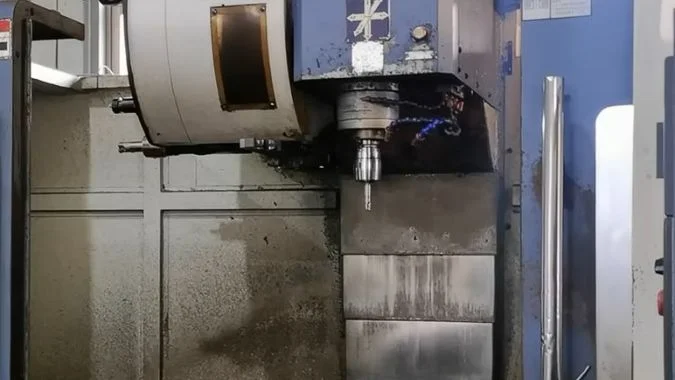
Заявленное время смены инструмента может выглядеть впечатляюще при тестировании без нагрузки. Фактическое производство все равно может страдать от медленного позиционирования шпинделя, удаленных инструментов, инерции при полной нагрузке и накопленных задержек подтверждения. Каждый источник задержки заслуживает более внимательного изучения.
Как системные параметры увеличивают время смены инструмента?
Станок может иметь быстрое оборудование, но консервативные параметры могут вынуждать выполнять длинные отводы, медленную индексацию магазина и ненужное ожидание при каждой смене инструмента.
Системные параметры увеличивают время смены инструмента, когда они требуют отдаленных позиций смены, чрезмерных безопасных высот, длительных задержек ориентации шпинделя или последовательного движения магазина. Лучшие настройки сокращают ненужные перемещения и позволяют осуществлять предварительный выбор инструмента без отказа от необходимой защиты.
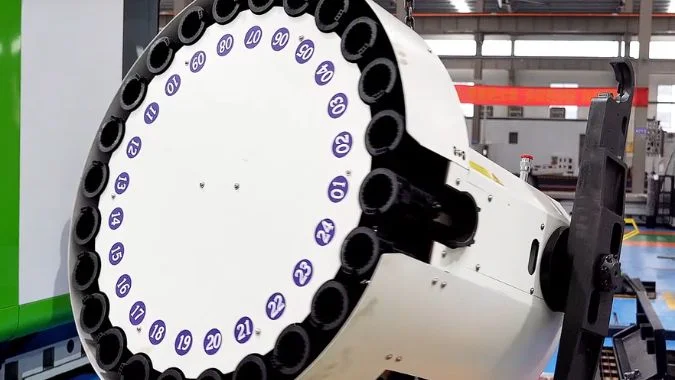
Фиксированные позиции смены инструмента
Фиксированная точка смены инструмента может создавать длинный путь до начала работы устройства автоматической смены инструмента. Например, системе может потребоваться возврат оси Z в механическое начало координат. Шпиндель должен отойти, достичь целевой координаты, остановиться и завершить ориентацию. Смена инструмента рядом с конечной позицией резания потребовала бы гораздо меньшего перемещения, но параметр препятствует такой возможности.
Чрезмерная безопасная плоскость создает аналогичную проблему. Станок поднимает и опускает шпиндель дальше, чем того требуют геометрия приспособления, инструмента и заготовки. Это движение не производит деталей и не удаляет материал. Потерянные секунды повторяются с каждой командой M06.
Задержки и ограниченная логика выбора
Консервативная настройка M19 может увеличить ориентацию шпинделя с 1,5 до 3 секунд1. Добавленное время может улучшить стабильность, но настройка должна отражать фактическую производительность шпинделя, а не широкое допущение безопасности.
| Проблема с параметрами | Результирующее действие | Влияние на время цикла |
|---|---|---|
| Фиксированная высокая точка смены | Длинный отвод и возврат по оси Z | Избыточные холостые перемещения |
| Чрезмерная безопасная высота | Ненужные подъемы и опускания | Повторные перемещения на ускоренной подаче |
| Длительная задержка M19 | Увеличенное время ожидания ориентации | Замедленное освобождение инструмента |
| Предварительный выбор отключен | Ожидание магазином возврата шпинделя | Последовательный выбор инструмента |
| Глобальное ограничение скорости магазина | Медленное индексирование при приближении к целевой позиции | Увеличенное время поиска |
Для больших цепных магазинов эти параметры более затратны. Инструмент, находящийся далеко, может потребовать длительного вращения, иногда до 20–30 секунд.2. Произвольная адресация, логика кратчайшего пути вперед и назад3, а фоновая предварительная ротация позволяет скрыть большую часть этого времени поиска внутри цикла резания.
Почему плохое согласование инерции замедляет перемещение инструмента?
Двигатель магазина может обладать достаточной мощностью, но высокая приведенная инерция нагрузки все равно может вызывать медленное ускорение, нестабильное управление и длительное время позиционирования.
Несоответствие инерции замедляет движение инструмента, так как большая инерция нагрузки снижает ускорение и уменьшает стабильность управления. В этом случае контроллер вынужден использовать более низкие коэффициенты усиления и более длинные рампы ускорения или замедления. Практической целью часто является соотношение инерции нагрузки к инерции двигателя 3:1 или менее.
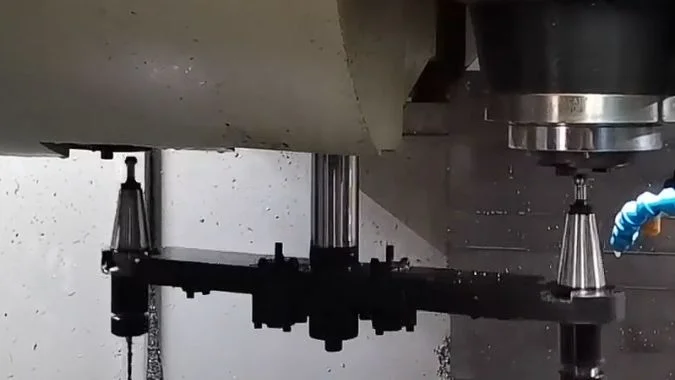
Механический эффект высокой инерции
Базовая зависимость выражается формулой (T = Jxα).4. Доступный крутящий момент имеет практический предел. При увеличении суммарного момента инерции (J) достижимое ускорение (α) снижается. Следовательно, полностью загруженному цепному магазину требуется больше времени для запуска, индексации и остановки, чем пустому. Тяжелые державки, длинные инструменты и крупные конструкции магазинов усиливают этот эффект.
Несоответствие моментов инерции может оставаться незаметным при демонстрации смены соседних инструментов. Проблема становится очевидной, когда магазин полностью загружен и перемещается в удаленную позицию. Приводу может потребоваться длинный разгонный участок и такой же длинный участок торможения, чтобы предотвратить проскок или механический удар.
Система управления и многоосевые эффекты
Высокая инерция также снижает собственную частоту системы привода.5. Сервопривод становится более чувствительным к резонансу и вибрации.6. Инженеры по автоматизации вынуждены снижать коэффициенты усиления сервопривода и сглаживать команды ускорения.7. Эти изменения защищают точность позиционирования, но снижают скорость отклика.
Надежный поставщик магазинов должен предоставлять расчеты инерции полной нагрузки на валу двигателя. Проект также должен учитывать соответствующую мощность сервопривода, передаточное число, данные торможения и отдельные настройки ускорения для стандартных и тяжелых инструментов. Тот факт, что двигатель способен просто вращать магазин, не означает, что он может обеспечить требуемый цикл индексации.
Что заставляет защитные блокировки создавать задержки ожидания?
Процесс смены инструмента зависит от нескольких сигналов безопасности. Задержка переключателя, медленная работа механизма или жестко заданный таймер могут остановить последовательность действий, даже если все остальные компоненты готовы к работе.
Предохранительные блокировки вызывают задержки ожидания, поскольку смена инструмента использует последовательное подтверждение. Каждое действие ожидает подтверждения положения, давления, зажима и безопасности. Медленная обратная связь и консервативные таймеры суммируются, в то время как оптимизированное перекрытие позволяет безопасным действиям выполняться параллельно.
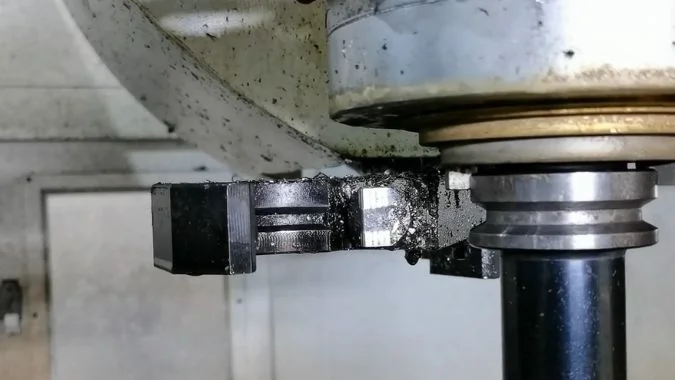
Последовательное подтверждение безопасности
Устройство автоматической смены инструмента не может безопасно пропускать этапы подтверждения. Шпиндель должен остановиться и достичь своей ориентационной позиции. Оси станка должны достичь координат смены инструмента. Сигнал разжима должен поступить до извлечения инструмента. Сигнал зажима должен поступить до возврата рычага или перемещения шпинделя.
Инструментальные гнезда, рычаги и магазины также используют концевые выключатели. Контроллер может проверять защитную дверцу, давление воздуха, гидравлическое давление и завершение обдува воздухом. Программируемый контроллер станка может добавить задержку защиты и двухканальную проверку безопасности. Никакое движение не начинается, пока не будут выполнены требуемые условия.
| Точка ожидания | Необходимое подтверждение | Распространенный источник задержки |
|---|---|---|
| Подготовка шпинделя | Остановка и ориентация завершены | Медленное замедление или таймер M19 |
| Позиционирование осей | Точка смены достигнута | Длительное перемещение или низкая скорость холостого хода |
| Освобождение инструмента | Разжим подтвержден | Медленный цилиндр или потеря давления |
| Вставка инструмента | Зажим подтвержден | Регулировка датчика или загрязнение |
| Перемещение магазина | Положение магазина и рычага подтверждено | Позднее срабатывание концевого выключателя |
| Защита станка | Сигналы двери и давления действительны | Исправлена задержка PMC |
Безопасные способы сокращения времени ожидания
Лучшее улучшение не устраняет необходимые блокировки. Оно сокращает физическое действие, улучшает синхронизацию сигналов и накладывает друг на друга действия, которые не конфликтуют. Предварительный выбор инструмента в магазине может происходить во время резания. Вращение магазина инструментов может происходить, пока шпиндель перемещается к точке смены. Возврат магазина может произойти после того, как система управления подтвердит успешную замену и возобновление обработки.
Фиксированные задержки не должны применяться к каждому инструменту. Для длинного щупа или тяжелого держателя может потребоваться более медленная последовательность, в то время как стандартный инструмент может использовать обычную быструю последовательность. Настраиваемые категории инструментов предотвращают замедление всего магазина одним необычным инструментом.
Приемочные испытания должны включать временную диаграмму. На диаграмме должны быть разделены ориентация шпинделя, перемещение по осям, освобождение инструмента, движение рычага, зажим и подтверждение сигнала. Этот метод позволяет выявить, вызвана ли задержка фактическим движением или ожиданием контроллером обратной связи.
Как согласовать емкость инструментального магазина со скоростью шпинделя?
Выбор самого большого доступного магазина может снизить производительность, если его масса, время поиска и логика управления не соответствуют короткому циклу резания высокоскоростного шпинделя.
Вместимость магазина инструментов должна соответствовать списку инструментов технологического процесса, скорости вращения шпинделя, весу инструмента и целевому времени «от стружки до стружки». Высокоскоростная обработка обычно требует дискового магазина с низкой инерцией, в то время как тяжелая многопроцессорная работа может оправдать использование большого цепного или матричного магазина с предварительным выбором.
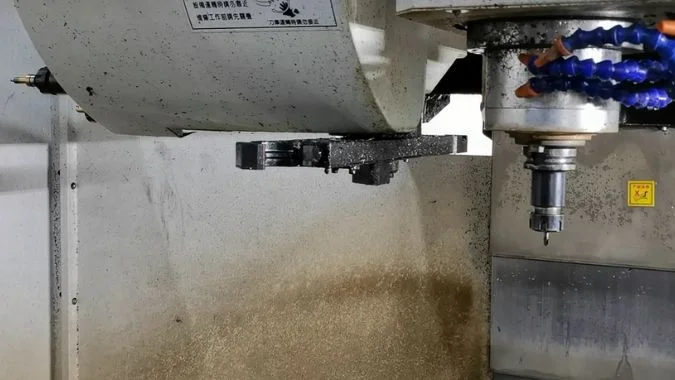
Начните со шпинделя и технологического процесса
Технические характеристики шпинделя устанавливают ограничения для магазина инструментов. Процесс выбора должен учитывать максимальную скорость, конус, тип держателя, вес инструмента, длину инструмента, диаметр соседнего инструмента и класс балансировки. Также следует зафиксировать время остановки и ориентации шпинделя.
Технологический план предоставляет вторую группу ограничений. Важные данные включают количество смен инструмента на деталь, кратчайшую операцию резания, необходимый список инструментов и целевое время «от стружки до стружки». Время «от стружки до стружки» важнее, чем изолированная демонстрация смены инструмента, поскольку оно включает реальный перерыв в производстве.
Вместимость должна покрывать список инструментов для процесса и обычно предусматривать от двух до четырех резервных позиций. Избыточная вместимость увеличивает движущуюся массу и может увеличить расстояние поиска, не добавляя производственной ценности.
Соответствие магазина условиям эксплуатации
| Условие эксплуатации | Типичный шпиндель | Подходящий магазин | Плохое соответствие |
|---|---|---|---|
| Высокочастотное сверление или нарезание резьбы | 12 000–24 000 об/мин8 | Дисковый магазин на 16–30 инструментов с предварительным выбором9 | Большой цепной магазин без предварительного выбора |
| Среднескоростная общая механическая обработка | 8 000–15 000 об/мин | Дисковый магазин на 24–40 инструментов с произвольным выбором | Емкость значительно выше количества инструментов в списке |
| Тяжелая многопроцессная обработка | 6 000–10 000 об/мин | Цепной или матричный магазин на 60 и более инструментов | Легкий дисковый магазин для инструментов увеличенного размера |
| Гибкая производственная линия | На основе самой быстрой детали | Управление произвольным доступом с общей емкостью | Магазин с большой фиксированной адресацией |
Высокоскоростной шпиндель обычно лучше всего работает с дисковым магазином с манипулятором с низкой инерцией. Большой цепной или матричный магазин подходит для тяжелой обработки и процессов, требующих большого количества инструментов. Такой магазин должен поддерживать произвольную адресацию, двунаправленный поиск по кратчайшему пути и предварительный выбор инструмента во время работы.
Проверьте производительность перед покупкой
Поставщик должен предоставить данные при полной нагрузке, а не образец с пустым магазином. Требуемые показатели должны включать время смены инструмента «от инструмента к инструменту» и «от стружки до стружки» для соседних, удаленных и тяжелых инструментов. Поставщик также должен предоставить технические характеристики двигателя, приведенную инерцию, настройки ускорения и перечень действий, которые могут выполняться параллельно.
Соответствующая конструкция проходит четыре практические проверки:
- Каждый инструмент соответствует ограничениям шпинделя и магазина по весу, длине, диаметру, балансировке и скорости.
- Предварительный выбор позволяет приблизить время смены «от стружки до стружки» для удаленного инструмента к показателям для соседнего инструмента.
- Стандартные инструменты не используют настройки ускорения и замедления, предназначенные для тяжелых инструментов.
- Время ожидания блокировки не возрастает резко при увеличении емкости магазина.
Непрохождение проверки требует выбора другого типа магазина, емкости, привода или стратегии управления. Снижение скорости шпинделя лишь скрывает несоответствие и снижает ценность станка.
Заключение
Правильно подобранный инструментальный магазин обеспечивает соблюдение времени цикла благодаря подходящей емкости, оптимизированной логике поиска, контролируемой инерции, коротким путям перемещения и быстрому, но полному выполнению протоколов безопасности.
-
"Ориентация угла шпинделя Doosan Fanuc | Настройка M19 S …", https://industrialmonitordirect.com/blogs/knowledgebase/doosan-cnc-spindle-angle-orientation-m19-s-command-setup-guide?srsltid. Время ориентации шпинделя в современных обрабатывающих центрах обычно варьируется от менее 1 секунды до примерно 3 секунд, в зависимости от скорости шпинделя, параметров замедления и требований к точности позиционирования. Роль доказательства: общая поддержка; тип источника: исследование. Подтверждает: типичное время ориентации шпинделя в обрабатывающих центрах с ЧПУ. Примечание: Фактическое время значительно варьируется в зависимости от класса станка, типа шпинделя и конфигурации системы управления ↩
-
"Всегда ли большая емкость инструментального магазина лучше для ЧПУ …", https://jmcncmachine.com/is-larger-tool-magazine-capacity-always-better-for-cnc-machining-center/. Инструментальные магазины цепного или карусельного типа большой емкости могут требовать времени индексации от нескольких секунд для соседних инструментов до 20-40 секунд для самых удаленных позиций, в зависимости от размера магазина и конструкции системы привода. Роль доказательства: общая поддержка; тип источника: исследование. Подтверждает: время индексации для цепных инструментальных магазинов большой емкости. Примечание: Фактическое время индексации сильно зависит от емкости магазина, мощности двигателя, пределов ускорения и того, используется ли поиск по кратчайшему пути или однонаправленная индексация ↩
-
"Алгоритм Дейкстры", https://en.wikipedia.org/wiki/Dijkstra%27s_algorithm. Двунаправленная индексация кратчайшего пути может сократить среднее время вращения магазина примерно на 50% по сравнению с однонаправленной индексацией, особенно в системах большой емкости, где самый удаленный инструмент находится на расстоянии более 180 градусов. Роль данных: механизм; тип источника: исследование. Поддерживает: преимущества оптимизации стратегий индексации кратчайшего пути в роторных системах хранения инструментов. Примечание по охвату: Фактическая выгода зависит от паттернов выбора инструментов, емкости магазина и того, поддерживает ли система управления предварительный выбор во время обработки. ↩
-
"10.7 Второй закон Ньютона для вращения – UCF Pressbooks", https://pressbooks.online.ucf.edu/osuniversityphysics/chapter/10-7-newtons-second-law-for-rotation/. Это вращательный аналог второго закона Ньютона, выражающий, что результирующий крутящий момент равен произведению момента инерции на угловое ускорение. Роль данных: определение; тип источника: энциклопедия. Поддерживает: математическую зависимость между крутящим моментом, моментом инерции и угловым ускорением. ↩
-
"Метод резонансного подавления на основе ПИ-регулирования для последовательных…", https://pmc.ncbi.nlm.nih.gov/articles/PMC10358500/. Собственная частота в механических системах обратно пропорциональна квадратному корню из инерции, при этом более высокая инерция снижает резонансную частоту и уменьшает полосу пропускания системы. Роль данных: механизм; тип источника: образование. Поддерживает: связь между инерцией системы и собственной частотой в механических системах. ↩
-
"Нарушение старых правил согласования инерции для сервоприводов…", https://www.motioncontroltips.com/breaking-the-old-rules-of-inertia-matching/. Высокая инерция нагрузки снижает жесткость сервосистемы и понижает резонансные частоты, делая систему более подверженной механическим резонансам и требуя снижения коэффициентов усиления контроллера для поддержания стабильности. Роль данных: механизм; тип источника: образование. Поддерживает: влияние высокой инерции нагрузки на стабильность и резонансные характеристики сервосистемы. ↩
-
"Использование сервопривода большего размера, чтобы избежать настройки? : r/PLC", https://www.reddit.com/r/PLC/comments/17np7sp/oversize_servo_to_avoid_tuning/. Когда инерция нагрузки значительно превышает рекомендуемые коэффициенты, инженеры по сервоприводам обычно снижают пропорциональный и скоростной коэффициенты усиления, внедряя упреждающее управление ускорением и более мягкие S-образные профили для предотвращения перерегулирования и колебаний. Роль данных: механизм; тип источника: образование. Поддерживает: стандартные методы настройки сервоприводов для нагрузок с высокой инерцией. Примечание по охвату: Конкретные стратегии настройки зависят от архитектуры сервопривода и требований приложения к времени установления и точности. ↩
-
"Скорости и подачи", https://en.wikipedia.org/wiki/Speeds_and_feeds. Высокоскоростные обрабатывающие центры для алюминия и легких материалов обычно работают на скоростях шпинделя 10 000–24 000 об/мин, причем специализированные высокочастотные операции сверления и нарезания резьбы иногда превышают 30 000 об/мин. Роль данных: общая поддержка; тип источника: исследование. Поддерживает: типичные диапазоны скоростей шпинделя для высокочастотных операций сверления и нарезания резьбы. Примечание по охвату: Оптимальные скорости сильно зависят от типа материала, диаметра инструмента и конкретных требований к операции. ↩
-
"Дисковый магазин инструментов против зонтичного", https://cncwmt.com/qa/disc-type-vs-umbrella-type-tool-magazine-comprehensive-selection-guide/. Дисковые и кулачковые инструментальные магазины обычно имеют от 12 до 40 позиций для инструментов, причем 16–30 инструментов являются типичными для обрабатывающих центров общего назначения, что обеспечивает меньшую инерцию по сравнению с цепными магазинами аналогичной емкости. Роль данных: общая поддержка; тип источника: другое. Поддерживает: типичные диапазоны емкости инструментов для кулачковых дисковых магазинов или магазинов манипуляторного типа. Примечание по охвату: Емкость значительно варьируется в зависимости от размера станка и философии проектирования производителя. ↩

Крис Лу
Используя более чем десятилетний практический опыт работы в станкостроении, особенно на станках с ЧПУ, я готов помочь. Если у вас возникли вопросы, вызванные этой статьей, если вам нужно руководство по выбору подходящего оборудования (с ЧПУ или обычного), если вы изучаете индивидуальные решения по станкам или готовы обсудить покупку, не стесняйтесь, свяжитесь со мной. Давайте найдем идеальный станок для ваших нужд.