

Waarom leidt een mismatch in het gereedschapsmagazijn tot een langere gereedschapswisseltijd?
Een snelle spil kan de cyclustijd niet beschermen wanneer een niet-overeenstemmend gereedschapsmagazijn zorgt voor langzame zoekacties, lange bewegingen, vibratiebeperkingen en herhaalde veiligheidspauzes.
Een mismatch in het gereedschapsmagazijn verhoogt de gereedschapswisseltijd omdat overmatige capaciteit, slechte aandrijvingsafstemming, lange zoekpaden en conservatieve vergrendelingen de niet-snijtijd verlengen. Een geschikt magazijn gebruikt voorselectie, indexering via het kortste pad, afgestemde inertie en overlappende veiligheidsacties om de werkelijke productiecyclus van de spil te ondersteunen.
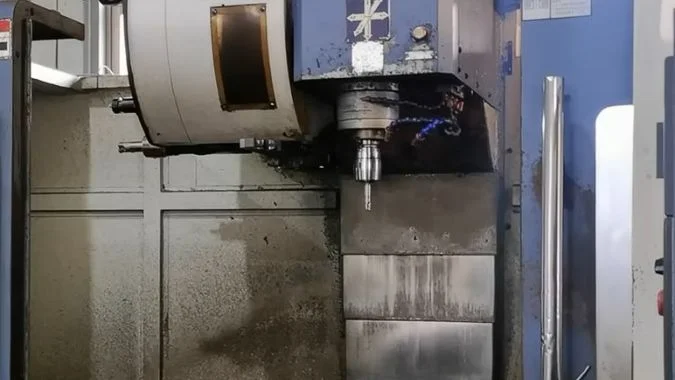
Een geoffreerde gereedschap-naar-gereedschaptijd kan indrukwekkend lijken bij testen zonder belasting. De werkelijke productie kan nog steeds lijden onder langzame spilpositionering, verafgelegen gereedschappen, inertie bij volledige belasting en opeengestapelde bevestigingsvertragingen. Elke bron van vertraging verdient een nadere inspectie.
Hoe verhogen systeemparameters de gereedschapswisseltijd?
Een machine kan snelle hardware hebben, maar conservatieve parameters kunnen dwingen tot lange retracties, langzame magazijnindexering en onnodig wachten tijdens elke gereedschapswissel.
Systeemparameters verhogen de gereedschapswisseltijd wanneer ze verre wisselposities, overmatige veiligheidshoogtes, lange spiloriëntatievertragingen of seriële magazijnbewegingen vereisen. Betere instellingen verminderen onnodige verplaatsingen en maken gereedschapsvoorselectie mogelijk zonder essentiële bescherming te verwijderen.
Vaste gereedschapswisselposities
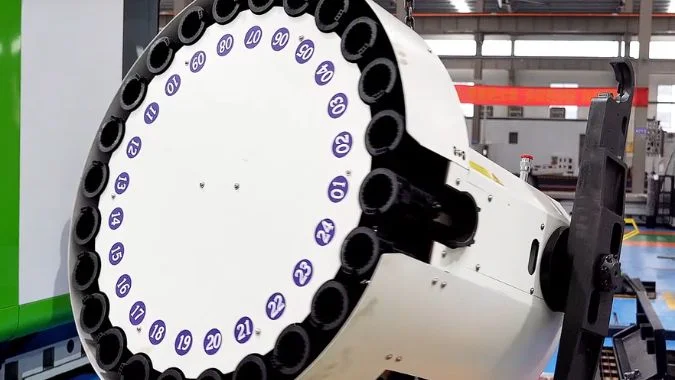
Een vast gereedschapswisselpunt kan een lang pad creëren voordat de automatische gereedschapswisselaar start. Een systeem kan bijvoorbeeld vereisen dat de Z-as terugkeert naar zijn mechanische oorsprong. De spil moet intrekken, de doelcoördinaat bereiken, stoppen en de oriëntatie voltooien. Een gereedschapswissel nabij de uiteindelijke snijpositie zou veel minder beweging vereisen, maar de parameter verhindert die optie.
Een overmatig veiligheidsvlak creëert een soortgelijk probleem. De machine brengt de spil verder omhoog en omlaag dan de geometrie van het opspanmiddel, gereedschap en werkstuk vereist. Deze beweging produceert geen onderdelen en verwijdert geen materiaal. De verloren seconden herhalen zich bij elk M06-commando.
Vertragingen en beperkte selectielogica
Een conservatieve M19-instelling kan de spiloriëntatie verlengen van 1,5 seconde naar 3 seconden.1. De toegevoegde tijd kan de stabiliteit verbeteren, maar de instelling moet de werkelijke spilprestaties weerspiegelen in plaats van een brede veiligheidsaanname.
| Parameterprobleem | Resulterende actie | Effect op cyclustijd |
|---|---|---|
| Vast hoog wisselpunt | Lange Z-as retractie en terugkeer | Meer niet-snijdende verplaatsing |
| Buitensporige veiligheidshoogte | Onnodig heffen en dalen | Herhaalde luchtbeweging |
| Lange M19-vertraging | Langere wachttijd voor oriëntatie | Langzamere gereedschapswissel |
| Preselectie uitgeschakeld | Magazijn wacht op terugkeer van de spil | Seriële gereedschapsselectie |
| Algemene snelheidslimiet van het magazijn | Langzame indexering nabij het doel | Langere zoektijd |
Grote kettingmagazijnen maken deze instellingen kostbaarder. Een ver weg gelegen gereedschap kan een lange rotatie vereisen, die soms 20 tot 30 seconden duurt.2. Willekeurige adressering, logica voor de kortste weg vooruit en achteruit3, en pre-rotatie op de achtergrond kan een groot deel van deze zoektijd verbergen binnen de snijcyclus.
Waarom vertraagt een slechte inertie-afstemming de gereedschapsbeweging?
Een magazijnmotor kan voldoende vermogen leveren, maar een hoge gereflecteerde belastingsinertie kan nog steeds leiden tot trage acceleratie, onstabiele besturing en lange positioneringstijden.
Een slechte inertie-aanpassing vertraagt de gereedschapsbeweging omdat een grotere belastingsinertie de acceleratie vermindert en de besturingsstabiliteit verlaagt. De besturing moet dan lagere versterkingen en langere acceleratie- of deceleratierampen gebruiken. Een praktisch doel is vaak een verhouding tussen belasting en motorinertie van 3:1 of lager.
Mechanisch effect van hoge inertie
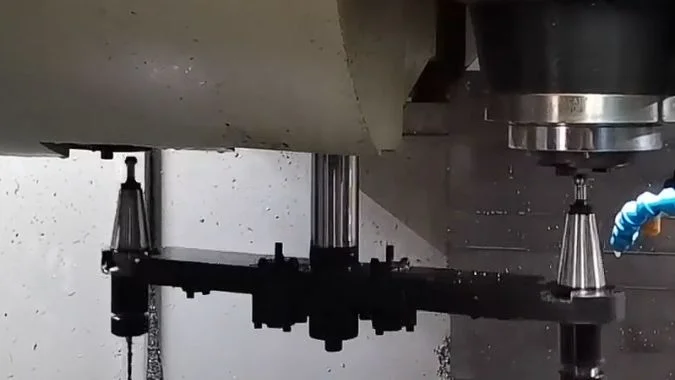
De basisrelatie is (T = Jxα).4. Beschikbaar koppel heeft een praktische limiet. Wanneer de totale traagheid J stijgt, daalt de haalbare versnelling (α). Een volledig beladen kettingmagazijn heeft daarom meer tijd nodig om te starten, indexeren en stoppen dan een leeg magazijn. Zware houders, lang gereedschap en grote magazijnstructuren vergroten dit effect.
Een zwakke traagheidsaanpassing kan verborgen blijven tijdens een demonstratie met nabijgelegen gereedschap. Het probleem wordt duidelijk wanneer het magazijn volledig beladen is en naar een verre positie beweegt. De aandrijving heeft mogelijk een lange acceleratieoploop en een even lange remoploop nodig om overshoot of mechanische schokken te voorkomen.
Besturings- en meerassige effecten
Een hoge traagheid verlaagt ook de eigenfrequentie van het aandrijfsysteem5. De servo wordt gevoeliger voor resonantie en trillingen6. Besturingsingenieurs moeten de servoversterkingen verlagen en acceleratiecommando's versoepelen7. Deze wijzigingen beschermen de positioneernauwkeurigheid, maar ze verminderen de reactiesnelheid.
Een geschikte magazijnleverancier moet berekeningen van de traagheid bij volledige belasting aan de motoras kunnen overleggen. Het ontwerp moet ook voorzien in de juiste servocapaciteit, overbrengingsverhouding, remgegevens en afzonderlijke acceleratie-instellingen voor standaard en zwaar gereedschap. Een motor die het magazijn slechts kan laten draaien, bewijst niet dat deze kan voldoen aan de vereiste indexeercyclus.
Wat veroorzaakt wachttijden door veiligheidsvergrendelingen?
Een gereedschapswissel hangt af van verschillende veiligheidssignalen. Een late schakelaar, een traag mechanisme of een vaste timer kan de reeks stoppen, zelfs wanneer elk ander onderdeel gereed is.
Veiligheidsvergrendelingen zorgen voor wachttijden omdat het wisselen van gereedschap gebruikmaakt van een seriële handshake. Elke actie wacht op bevestiging van positie, druk, klemming en veiligheid. Trage feedback en conservatieve timers stapelen zich op, terwijl geoptimaliseerde overlap toestaat dat veilige acties parallel plaatsvinden.
De Seriële Veiligheids-Handshake
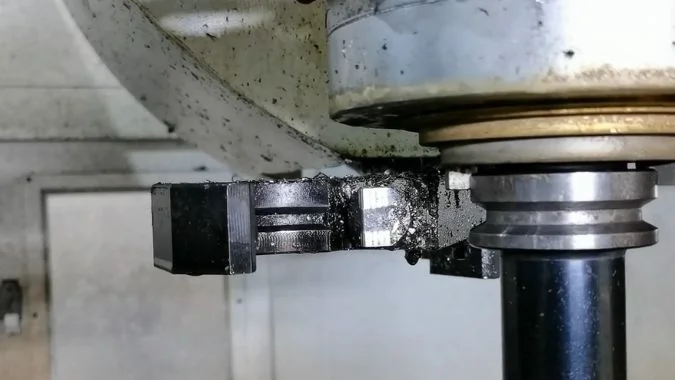
Een automatische gereedschapswisselaar kan bevestigingsstappen niet veilig overslaan. De spil moet stoppen en de juiste oriëntatiepositie bereiken. De machineassen moeten de coördinaten voor de gereedschapswissel bereiken. Het ontgrendelsignaal moet arriveren vóór het verwijderen van het gereedschap. Het vergrendelsignaal moet arriveren vóór de terugkeer van de arm of de beweging van de spil.
Gereedschapspotten, -armen en -magazijnen maken ook gebruik van positieschakelaars. De besturing kan de veiligheidsdeur, luchtdruk, hydraulische druk en de voltooiing van het uitblazen controleren. Een programmeerbare machinebesturing kan een beschermingsvertraging en een tweekanaals veiligheidscontrole toevoegen. Er wordt geen beweging gestart totdat aan de vereiste voorwaarden is voldaan.
| Wachtpunt | Vereiste bevestiging | Veelvoorkomende bron van vertraging |
|---|---|---|
| Spilvoorbereiding | Stop en oriëntatie voltooid | Trage vertraging of M19-timer |
| As-positionering | Wisselpunt bereikt | Lange verplaatsing of lage ijlgangsnelheid |
| Gereedschapsvrijgave | Ontgrendeling bevestigd | Trage cilinder of drukverlies |
| Gereedschapsplaatsing | Vergrendeling bevestigd | Sensoraanpassing of vervuiling |
| Magazijnbeweging | Positie van pot en arm bevestigd | Vertraagde activering van de eindschakelaar |
| Machinebeveiliging | Deur- en druksignalen geldig | Vaste PMC-vertraging |
Veilige manieren om wachttijden te verkorten
De beste verbetering verwijdert geen noodzakelijke vergrendelingen. Het verkort de fysieke actie, verbetert de signaaltiming en laat acties die niet met elkaar conflicteren overlappen. Voorselectie van het magazijn kan tijdens het snijden plaatsvinden. De rotatie van de gereedschapspot kan plaatsvinden terwijl de spil naar het wisselingspunt beweegt. De terugkeer van de pot kan plaatsvinden nadat de besturing een succesvolle wissel heeft bevestigd en de bewerking is hervat.
Vaste vertragingen mogen niet voor elk gereedschap gelden. Een lange taster of zware houder heeft mogelijk een tragere sequentie nodig, terwijl een standaardgereedschap de normale snelle sequentie kan gebruiken. Instelbare gereedschapscategorieën voorkomen dat één ongebruikelijk gereedschap het hele magazijn vertraagt.
Acceptatietesten moeten een timingschema bevatten. Het schema moet de spiloriëntatie, asverplaatsing, gereedschapsontkoppeling, armbeweging, klemming en signaalbevestiging scheiden. Deze methode onthult of de vertraging voortkomt uit de werkelijke beweging of uit een besturing die wacht op late feedback.
Hoe stemt u de capaciteit van het gereedschapsmagazijn af op de spilsnelheid?
Het kiezen van het grootst beschikbare magazijn kan de productiviteit schaden wanneer de massa, zoektijd en besturingslogica niet kunnen voldoen aan de korte snijcyclus van een hogesnelheidsspil.
De capaciteit van het gereedschapsmagazijn moet overeenkomen met de gereedschapslijst van het proces, de spilsnelheid, het gereedschapsgewicht en de beoogde chip-to-chip-tijd. Hogesnelheidswerk heeft meestal de voorkeur voor een schijfmagazijn met lage traagheid, terwijl zwaar werk met meerdere processen een groot ketting- of matrixmagazijn met voorselectie kan rechtvaardigen.
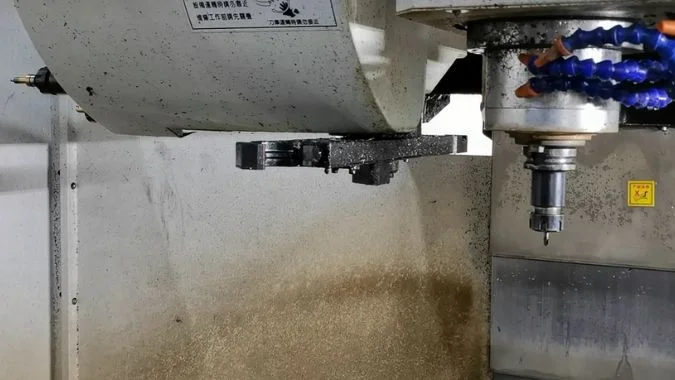
Begin met de spil en het proces
Spilspecificaties bepalen de limieten voor het gereedschapsmagazijn. Het selectieproces moet de maximale snelheid, conus, houdertype, gereedschapsgewicht, gereedschapslengte, diameter van aangrenzend gereedschap en balansklasse vastleggen. Het moet ook de stoptijd en oriëntatietijd van de spil vastleggen.
Het procesplan levert de tweede groep limieten. Belangrijke gegevens zijn onder meer het aantal gereedschapswissels per onderdeel, de kortste snijbewerking, de vereiste gereedschapslijst en de beoogde chip-to-chip-tijd. Chip-to-chip-tijd is belangrijker dan een geïsoleerde tool-to-tool-demonstratie omdat het de werkelijke onderbreking van de productie omvat.
De capaciteit moet de gereedschapslijst van het proces dekken en normaal gesproken twee tot vier reserveposities toelaten. Overcapaciteit verhoogt de bewegende massa en kan de grootste zoekafstand vergroten zonder nuttige productiewaarde toe te voegen.
Stem het magazijn af op de bedrijfsconditie
| Bedrijfsconditie | Typische spil | Geschikt magazijn | Slechte match |
|---|---|---|---|
| Hoogfrequent boren of tappen | 12.000–24.000 tpm8 | 16–30-gereedschapsnokkenschijf met voorselectie9 | Groot kettingmagazijn zonder voorselectie |
| Algemene bewerking op gemiddelde snelheid | 8.000–15.000 tpm | 24–40-gereedschapsschijf met willekeurige adressering | Capaciteit ver boven de gereedschapslijst |
| Zwaar meerproceswerk | 6.000–10.000 tpm | Ketting- of matrixmagazijn voor 60 of meer gereedschappen | Licht schijfmagazijn voor het dragen van extra grote gereedschappen |
| Flexibele productielijn | Gebaseerd op het snelste onderdeel | Random beheer met gedeelde capaciteit | Groot magazijn met vast adres |
Een hogesnelheidsspil werkt meestal het best met een schijfmagazijn met manipulator met lage traagheid. Een groot ketting- of matrixmagazijn is geschikt voor zware verspaning en processen die daadwerkelijk veel gereedschap vereisen. Een dergelijk magazijn moet ondersteuning bieden voor random adressering, bidirectionele kortste-pad-zoekopdrachten en pre-selectie tijdens het proces.
Verifieer de prestaties vóór aankoop
De leverancier moet gegevens bij volledige belasting verstrekken in plaats van een voorbeeld met een leeg magazijn. De vereiste cijfers moeten gereedschap-naar-gereedschap en spaan-naar-spaan tijden bevatten voor nabijgelegen, ver afgelegen en zware gereedschappen. De leverancier moet ook motorspecificaties, gereflecteerde traagheid, acceleratie-instellingen en een lijst met acties die kunnen overlappen verstrekken.
Een passend ontwerp doorstaat vier praktische controles:
- Elk gereedschap voldoet aan de limieten van de spil en het magazijn voor gewicht, lengte, diameter, balans en snelheid.
- Pre-selectie houdt de spaan-naar-spaan tijd voor ver afgelegen gereedschap dicht bij de prestaties van nabijgelegen gereedschap.
- Standaardgereedschappen gebruiken geen acceleratie- en deceleratie-instellingen voor zwaar gereedschap.
- De wachttijd voor interlocks neemt niet scherp toe naarmate de magazijncapaciteit groter wordt.
Een mislukte controle vereist een ander type magazijn, capaciteit, aandrijving of controlestrategie. Het verlagen van de spilsnelheid verbergt alleen de mismatch en vermindert de waarde van de machine.
Conclusie
Een passend gereedschapsmagazijn beschermt de cyclustijd door geschikte capaciteit, geoptimaliseerde zoeklogica, gecontroleerde traagheid, korte bewegingspaden en snelle maar volledige veiligheidshandshakes.
-
"Doosan Fanuc Spilhoekoriëntatie | M19 S Setup …", https://industrialmonitordirect.com/blogs/knowledgebase/doosan-cnc-spindle-angle-orientation-m19-s-command-setup-guide?srsltid. Tijden voor spiloriëntatie in moderne bewerkingscentra variëren doorgaans van minder dan 1 seconde tot ongeveer 3 seconden, afhankelijk van de spilsnelheid, deceleratieparameters en vereisten voor positioneernauwkeurigheid. Bewijsrol: algemene_ondersteuning; brontype: onderzoek. Ondersteunt: typische spiloriëntatietijden in CNC-bewerkingscentra. Toelichting: Werkelijke tijden variëren aanzienlijk per machineklasse, spiltype en configuratie van het besturingssysteem ↩
-
"Is een grotere gereedschapsmagazijncapaciteit altijd beter voor CNC …", https://jmcncmachine.com/is-larger-tool-magazine-capacity-always-better-for-cnc-machining-center/. Ketting- of carrouselmagazijnen met een grote capaciteit kunnen indexeertijden vereisen die variëren van enkele seconden voor aangrenzende gereedschappen tot 20-40 seconden voor de verst gelegen gereedschapsposities, afhankelijk van de magazijngrootte en het ontwerp van het aandrijfsysteem. Bewijsrol: algemene_ondersteuning; brontype: onderzoek. Ondersteunt: indexeertijden voor kettingmagazijnen met een grote capaciteit. Toelichting: De werkelijke indexeertijd hangt sterk af van de magazijncapaciteit, het motorvermogen, acceleratielimieten en of er gebruik wordt gemaakt van het kortste-pad of unidirectionele indexering ↩
-
"Dijkstra’s algoritme", https://en.wikipedia.org/wiki/Dijkstra%27s_algorithm. Bidirectionele kortste-pad-indexering kan de gemiddelde rotatietijd van het magazijn met ongeveer 5% verminderen in vergelijking met unidirectionele indexering, met name in systemen met een grote capaciteit waar het verst verwijderde gereedschap zich op meer dan 180 graden bevindt. Bewijsrol: mechanisme; brontype: onderzoek. Ondersteunt: de optimalisatievoordelen van kortste-pad-indexeringstrategieën in roterende gereedschapsopslagsystemen. Toelichting: Het daadwerkelijke voordeel hangt af van gereedschapsselectiepatronen, magazijncapaciteit en of het besturingssysteem voorselectie tijdens het verspanen ondersteunt. ↩
-
"10.7 De tweede wet van Newton voor rotatie – UCF Pressbooks", https://pressbooks.online.ucf.edu/osuniversityphysics/chapter/10-7-newtons-second-law-for-rotation/. Dit is de rotationele tegenhanger van de tweede wet van Newton, die uitdrukt dat het netto koppel gelijk is aan het product van traagheidsmoment en hoekversnelling. Bewijsrol: definitie; brontype: encyclopedie. Ondersteunt: de wiskundige relatie tussen koppel, traagheidsmoment en hoekversnelling. ↩
-
"Resonantieonderdrukkingsmethode gebaseerd op PI-regeling voor serieel …", https://pmc.ncbi.nlm.nih.gov/articles/PMC10358500/. De eigenfrequentie in mechanische systemen is omgekeerd evenredig met de wortel van de traagheid, waarbij een hogere traagheid de resonantiefrequentie verlaagt en de systeembreedte vermindert. Bewijsrol: mechanisme; brontype: onderwijs. Ondersteunt: de relatie tussen systeemtraagheid en eigenfrequentie in mechanische systemen. ↩
-
"De oude regels voor traagheidsaanpassing voor servo doorbreken …", https://www.motioncontroltips.com/breaking-the-old-rules-of-inertia-matching/. Een hoge belastingstraagheid vermindert de stijfheid van het servosysteem en verlaagt de resonantiefrequenties, waardoor het systeem gevoeliger wordt voor mechanische resonanties en lagere regelaarversterkingen vereist zijn om de stabiliteit te behouden. Bewijsrol: mechanisme; brontype: onderwijs. Ondersteunt: het effect van een hoge belastingstraagheid op de stabiliteit en resonantiekenmerken van servosystemen. ↩
-
"Servo overdimensioneren om afstellen te voorkomen? : r/PLC", https://www.reddit.com/r/PLC/comments/17np7sp/oversize_servo_to_avoid_tuning/. Wanneer de belastingstraagheid de aanbevolen verhoudingen aanzienlijk overschrijdt, verlagen servo-ingenieurs doorgaans de proportionele en snelheidsversterkingen terwijl ze acceleratie-feedforward en zachtere S-curve-profielen implementeren om doorschieten en oscillatie te voorkomen. Bewijsrol: mechanisme; brontype: onderwijs. Ondersteunt: standaard servo-afstelpraktijken voor belastingen met een hoge traagheid. Toelichting: Specifieke afstelstrategieën hangen af van de architectuur van de servoaandrijving en de toepassingsvereisten voor inslingertijd en nauwkeurigheid. ↩
-
"Snelheden en voedingen", https://en.wikipedia.org/wiki/Speeds_and_feeds. Hogesnelheidsbewerkingscentra voor aluminium en lichte materialen werken doorgaans bij spilsnelheden van 10.000-24.000 toeren per minuut, waarbij gespecialiseerde hoogfrequente boor- en tapoperaties soms de 30.000 toeren per minuut overschrijden. Bewijsrol: algemene ondersteuning; brontype: onderzoek. Ondersteunt: typische spilsnelheidsbereiken voor hoogfrequente boor- en tapoperaties. Toelichting: Optimale snelheden hangen sterk af van het materiaaltype, de gereedschapsdiameter en specifieke operationele vereisten. ↩
-
"Schijftype versus Paraplu-type gereedschapsmagazijn", https://cncwmt.com/qa/disc-type-vs-umbrella-type-tool-magazine-comprehensive-selection-guide/. Schijftype en nok-aangedreven gereedschapsmagazijnen variëren doorgaans van 12 tot 40 gereedschapsposities, waarbij 16-30 gereedschappen gangbaar zijn voor universele bewerkingscentra, wat een lagere traagheid biedt dan kettingmagazijnen van vergelijkbare capaciteit. Bewijsrol: algemene ondersteuning; brontype: overig. Ondersteunt: typische gereedschapscapaciteitsbereiken voor nokschijf- of manipulator-stijl gereedschapsmagazijnen. Toelichting: De capaciteit varieert aanzienlijk per machinegrootte en de ontwerpfilosofie van de fabrikant. ↩

Chris Lu
Met meer dan tien jaar praktijkervaring in de werktuigmachine-industrie, vooral met CNC-machines, ben ik er om je te helpen. Of je nu vragen hebt naar aanleiding van dit bericht, begeleiding nodig hebt bij het selecteren van de juiste apparatuur (CNC of conventioneel), aangepaste machineoplossingen onderzoekt of klaar bent om een aankoop te bespreken, aarzel niet om contact met mij op te nemen. Laten we de perfecte bewerkingsmachine voor uw behoeften vinden.