

Почему подвижная балка GMC подходит для массового производства алюминиевых сплавов?
Медленное ускорение, нестабильная точность и плохое удаление стружки могут увеличить производственные затраты при обработке алюминия. Эти проблемы усугубляются, когда станок обрабатывает сотни деталей.
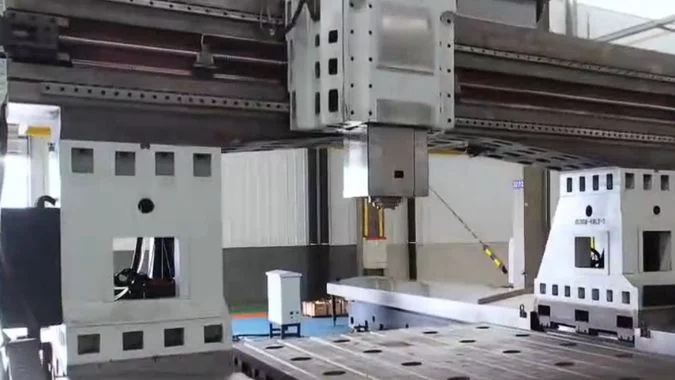
Портальный обрабатывающий центр с подвижной балкой обеспечивает серийное производство алюминиевых деталей за счет низкой инерции движения, быстрого ускорения, стабильного теплового поведения, интеграции высокоскоростного шпинделя и эффективного удаления стружки. Неподвижный стол также сохраняет стабильность динамических характеристик при изменении веса заготовки.
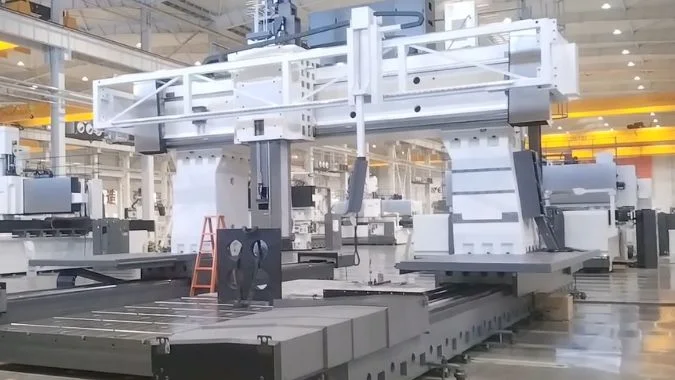
Механическая обработка алюминия кажется простой, поскольку силы резания обычно невелики.1. Однако массовое производство предъявляет более жесткие требования. Станок должен часто менять направление движения, сохранять точность в течение длительных смен и удалять большой объем стружки. Следующие структурные факторы показывают, почему портальный обрабатывающий центр с подвижной балкой способен удовлетворить этим требованиям.
Почему конструкция с подвижной балкой лучше подходит для быстрого перемещения по сравнению с подвижным столом?
Подвижный стол должен перемещать каждый килограмм заготовки. Эта изменяющаяся нагрузка замедляет ускорение, увеличивает ударные нагрузки при реверсе и затрудняет поддержание стабильных производственных параметров.
Конструкция с подвижной балкой перемещает более легкую и постоянную массу, в то время как стол и заготовка остаются неподвижными. Стабильная инерция обеспечивает более быстрое ускорение, более стабильный быстрый ход, более простую настройку сервоприводов и меньшие механические ударные нагрузки при частых пусках, остановах и изменениях направления.
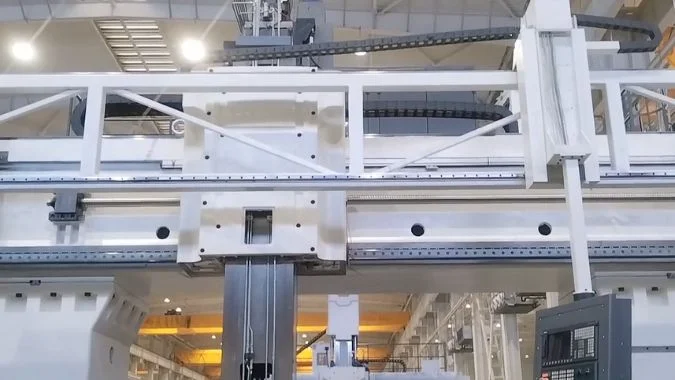
Постоянная движущаяся масса улучшает управление движением
Станок с подвижным столом должен ускорять стол, приспособление и заготовку одновременно. Общая движущаяся масса меняется с каждым производственным заданием. Большая алюминиевая плита также может смещать центр тяжести относительно линии привода. Это состояние создает большую инерционную нагрузку и может вызвать опрокидывающий момент при быстром изменении направления.
Портальный обрабатывающий центр с подвижной балкой сохраняет заготовку неподвижной. Система привода перемещает балку и шпиндельный узел. Эта движущаяся масса остается практически постоянной от партии к партии. Таким образом, контроллер может использовать стабильные параметры сервопривода без значительных изменений для заготовок разного веса.
| Фактор движения | Портальный обрабатывающий центр с подвижной балкой | Портальный обрабатывающий центр с подвижным столом |
|---|---|---|
| Подвижная нагрузка | Легкая и почти постоянная | Тяжелая и зависящая от заготовки |
| Ускорение | Высокая и повторяемая | Ограничено максимальной ожидаемой нагрузкой |
| Ускоренное перемещение | Стабильность при выполнении различных задач | Часто уменьшается при обработке тяжелых деталей |
| Удар при реверсе | Нижний | Выше |
| Производственная площадь | Более компактная конструкция для длинных заготовок | Для хода стола требуется дополнительное пространство |
Стабильное ускорение сокращает время вспомогательных операций
Массовое производство включает множество операций позиционирования. Смена инструмента, обработка отверстий, карманов и отдельных элементов требуют повторяющихся вспомогательных перемещений. Небольшая экономия времени на каждом движении дает значительный выигрыш при обработке сотен деталей.
Подвижная траверса следует физическому принципу: тяжелые объекты остаются неподвижными, а перемещаются более легкие части.2. Снижение инерционной силы уменьшает нагрузку на направляющие, винты, муфты и серводвигатели. Двусторонние синхронизированные приводы также позволяют управлять траверсой без усиления люфта, вызванного высокой инерцией при реверсе. Эти особенности поддерживают высокие скорости ускоренного перемещения, которые остаются стабильными даже при запуске в производство более тяжелых заготовок.
Каковы преимущества уменьшенной инерции осей для контурной обработки с высокой подачей при высокоскоростной обработке алюминия?
Сложные алюминиевые контуры содержат углы, дуги и короткие сегменты траектории. Высокая инерция приводит к задержке слежения, перерегулированию, волнистости поверхности и нежелательному скруглению углов при высоких скоростях подачи.3.
Сниженная инерция осей позволяет сервосистеме ускоряться, тормозить и выполнять реверс быстрее. Такой отклик улучшает точность слежения по контуру, позволяет использовать более высокие коэффициенты усиления управления, уменьшает ошибку слежения и защищает качество поверхности при высокоскоростной обработке сложных алюминиевых профилей.
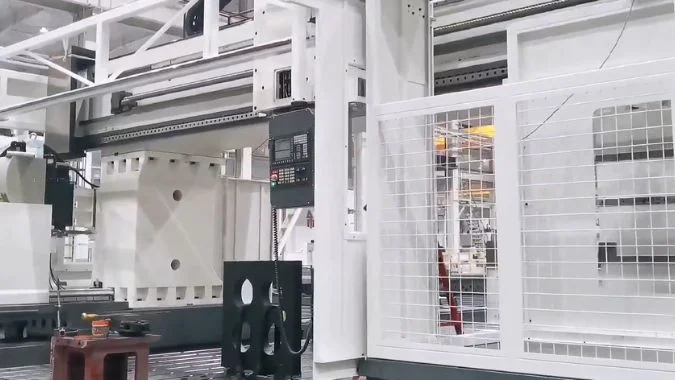
Более быстрый отклик защищает точность контура
Высокоскоростная контурная обработка зависит не только от частоты вращения шпинделя. Каждая линейная ось также должна следовать тысячам коротких команд. Система управления постоянно изменяет скорость оси, когда фреза входит в угол, описывает дугу или перемещается по изогнутой поверхности. Тяжелая ось продолжает движение после начала изменения команды. Это движение создает запаздывание4 и может оттолкнуть фрезу от запрограммированной траектории.
Меньшая движущаяся масса требует меньшего крутящего момента двигателя для достижения того же ускорения. Сервопривод может реагировать быстрее и использовать более высокие коэффициенты усиления контура положения и скорости. Параметры упреждающего управления также становятся более эффективными, поскольку механическая система реагирует с меньшей задержкой.
| Условия контурной обработки | Эффект пониженной инерции |
|---|---|
| Острый угол | Более быстрое торможение уменьшает перебег угла |
| Малая дуга | Лучшее отслеживание ограничивает ошибку радиуса |
| Короткий отрезок линии | Меньше времени теряется при ускорении |
| Реверс направления | Меньший удар снижает вибрацию |
| Криволинейная поверхность | Более плавное движение уменьшает видимую рябь |
Высокая подача становится полезной, а не просто возможной
Алюминиевые сплавы часто позволяют использовать скорость подачи 20–40 м/мин и более5 когда позволяют оснастка, мощность шпинделя и конфигурация станка. Однако высокая запрограммированная подача не имеет большого значения, если контроллер вынужден замедляться на каждом повороте. Сниженная инерция позволяет осям проводить больше времени вблизи заданной подачи.
Более низкие инерционные силы также снижают переменные нагрузки на направляющие и детали трансмиссии. Это сокращение ограничивает временную упругую деформацию во время ускорения и торможения. Жесткая коробчатая балка, оптимизированное расположение ребер и сбалансированная система с двойным приводом могут дополнительно улучшить соотношение жесткости к массе. Линейные двигатели или шарико-винтовые пары с низкой инерцией могут обеспечить более прямой отклик. Правильная настройка сервопривода остается важной, поскольку чрезмерное усиление все равно может создать колебания. Механическая конструкция и настройки управления должны работать как единая система.
Почему интеграция электрошпинделя с высокими оборотами более эффективна в конструкции с подвижной балкой?
Высокая скорость вращения шпинделя сама по себе не может гарантировать продуктивную обработку алюминия. Плохо поддерживаемый шпиндель может привести к нагреву, вибрации, большому вылету и замедленному отклику осей.
Конструкция с подвижной балкой размещает электрический шпиндель в легком, жестком и термостабилизированном узле. Короткий вылет шпинделя повышает жесткость на изгиб, а центрированный источник тепла и низкая движущаяся масса обеспечивают быстрый отклик, стабильную точность и высокоскоростное резание.
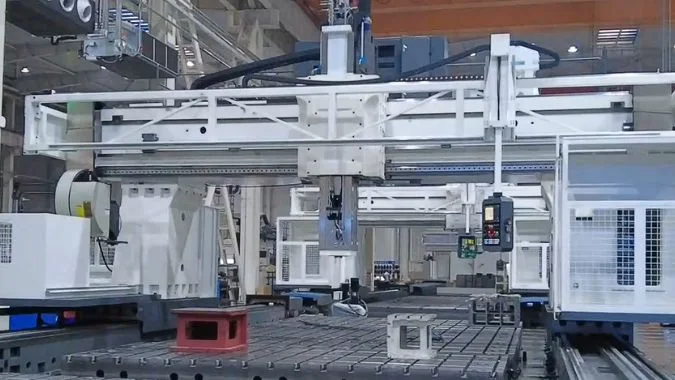
Короткий вылет повышает порог возникновения вибраций
Высокоскоростное фрезерование алюминия часто предполагает малую осевую глубину резания, высокую скорость подачи и высокую скорость вращения шпинделя. Этот процесс требует жесткого соединения шпинделя, поскольку даже небольшая вибрация может оставить следы на обработанной стене или полу6.
Конструкция с подвижной балкой позволяет установить шпиндельную головку непосредственно на балке или внутри нее. В результате вылет ползуна может оставаться коротким. Более короткий рычаг ограничивает изгиб под воздействием нагрузок при резании и ускорении7. Таким образом, конструкция способна поддерживать более высокий порог вибраций во время высокоскоростного фрезерования.
| Точка интеграции | Производственное преимущество |
|---|---|
| Короткий вылет шпинделя | Более высокая жесткость на изгиб |
| Центрированное положение шпинделя | Сбалансированная нагрузка на балку |
| Привод электрического шпинделя | Быстрый отклик без длинной цепи передач |
| Облегченная балка | Улучшенное ускорение и меньшее энергопотребление |
| Симметричная опора | Более предсказуемое тепловое смещение |
Тепловая симметрия опор обеспечивает длительные производственные циклы
Электрический шпиндель выделяет тепло через двигатель, подшипники и в процессе резания. Неравномерный нагрев может привести к смещению центра инструмента и возникновению размерного дрейфа8. Эта проблема становится важной при работе станка в несколько смен.
Многие станки с подвижной балкой используют симметричную конструкцию балки, двойные стойки и двусторонние приводы. Шпиндель расположен близко к структурному центру. Такая компоновка помогает более равномерно распределить тепло по несущей конструкции. Тепловое расширение в этом случае происходит преимущественно вдоль предсказуемой оси, а не за счет перекоса геометрии по осям X-Y. Охлаждение шпинделя, датчики температуры и программное обеспечение для компенсации позволяют улучшить эти показатели.
Такое сочетание также позволяет сократить количество лишних передаточных узлов. Высокоскоростной электрический шпиндель обеспечивает прямой отклик вращения, в то время как легкая балка обеспечивает быстрый линейный отклик. Скорость вращения шпинделя от 10 000 до 24 000 об/мин подходит для многих задач по обработке алюминия9, в зависимости от диаметра инструмента и необходимого крутящего момента. Вся система в целом поддерживает высокую скорость съема материала без зависимости только от частоты вращения шпинделя.
Как портальный обрабатывающий центр с подвижной балкой решает проблему удаления большого объема алюминиевой стружки?
При обработке алюминия образуется длинная стружка, легкие спутанные комки и липкая влажная стружка. Слабые конвейеры и узкие каналы могут быстро засоряться, останавливать производство и загрязнять смазочно-охлаждающую жидкость.
Станок GMC с подвижной балкой справляется с большими объемами стружки благодаря расширенному пластинчатому конвейеру, системе промывки с высоким расходом и давлением, крутым скатам для отвода стружки и системе разделения твердой и жидкой фаз. Эти системы эффективно удаляют объемную немагнитную стружку из зоны резания, обеспечивая при этом очистку СОЖ.
Конвейер должен соответствовать характеристикам алюминиевой стружки
Алюминиевая стружка немагнитна. Магнитный конвейер не может эффективно ее собирать10. Стандартный винтовой конвейер также может сжимать длинную стружку в плотные комки. Это сжатие может привести к засорению, трению и нагреву.
Пластинчатый конвейер обеспечивает широкую несущую поверхность и высокую грузоподъемность11. Конструкция пластин позволяет транспортировать длинную, спиралевидную или кусковую стружку без использования магнитных свойств. Ширина конвейера должна соответствовать ширине направляющих станка и полному рабочему ходу. Это предотвращает скопление стружки за пределами зоны транспортировки.
| Компонент для контроля стружки | Основная функция |
|---|---|
| Конвейер с расширенными пластинчатыми цепями | Транспортирует большие объемы немагнитной стружки |
| Форсунки охлаждающей жидкости с высоким расходом | Направляют стружку к впускному отверстию для сбора |
| Промывка под высоким давлением | Разрушает сливную стружку и очищает кожухи |
| Вибрационный грохот | Отделяет крупные твердые частицы от охлаждающей жидкости |
| Циклонный сепаратор | Удаляет мелкие частицы из жидкости |
| Скребок для дробления стружки | Предотвращает наматывание длинной стружки на вал |
Геометрия станины должна направлять каждую стружку
Неподвижный стол облегчает создание широких дренажных каналов вокруг рабочей зоны. Поверхности станины должны иметь уклон около 30 градусов или более, если это позволяет конструкция станка. Широкие каналы должны вести к отверстиям для сбора стружки. Гладкие кожухи также позволяют избежать зон, где может скапливаться влажный алюминий.
Форсунки с высокой пропускной способностью рядом с инструментом перемещают стружку до того, как она образует комки. Дополнительные форсунки возле входа конвейера предотвращают образование заторов. Пневматический обдув может помочь, когда длинные профили создают разлетающуюся стружку, но воздушная система не должна направлять стружку в направляющие или электротехнические зоны.
Вибрационное сито или циклонный сепаратор должны очищать СОЖ перед рециркуляцией. Первичное разделение твердой и жидкой фаз снижает содержание масла в удаляемой стружке и уменьшает количество шлама внутри бака с СОЖ. Крупные алюминиевые фрезы с U-образным пазом также могут создавать короткую, контролируемую стружку и снижать образование наростов на кромке. Ежедневные проверки должны включать натяжение цепи, засорение сетки, направление форсунок и накопление шлама. Специальная смазочно-охлаждающая жидкость для алюминия может дополнительно уменьшить появление пятен, коррозию и прилипание стружки.
Заключение
Портальные обрабатывающие центры с подвижной балкой сочетают в себе стабильную динамику, точное контурное фрезерование на высоких подачах, эффективную интеграцию шпинделя и контролируемый отвод стружки, что делает их надежной платформой для серийного производства алюминиевых деталей.
-
"Влияние параметров обработки AW-7020... – PMC", https://pmc.ncbi.nlm.nih.gov/articles/PMC12072895/. Исследования, сравнивающие удельные силы резания для различных металлов, показывают, что алюминиевые сплавы обычно требуют на 30–60% меньших усилий резания, чем сталь при сопоставимых условиях обработки, хотя точные значения зависят от состава сплава и параметров обработки. Роль доказательства: статистика; тип источника: исследование. Подтверждает: что алюминиевые сплавы, как правило, требуют меньших усилий резания, чем черные металлы, во время операций механической обработки. Примечание к области применения: прямое сравнение ограничено, так как силы резания значительно варьируются в зависимости от конкретных марок сплавов, геометрии инструмента и условий резания. ↩
-
"Законы движения Ньютона | Исследовательский центр Гленна – НАСА", https://www1.grc.nasa.gov/beginners-guide-to-aeronautics/newtons-laws-of-motion/. Второй закон Ньютона (F = ma) устанавливает, что ускорение обратно пропорционально массе при постоянной силе, что означает, что системы, перемещающие более легкие компоненты, могут достигать более высокого ускорения при той же силе двигателя. Роль доказательства: механизм; тип источника: энциклопедия. Подтверждает: что уменьшение движущейся массы улучшает ускорение при данной приложенной силе. ↩
-
"Комбинированный метод контроля ошибки контура для пятиосевого станка...", https://pmc.ncbi.nlm.nih.gov/articles/PMC12098878/. Исследования высокоскоростного контурного фрезерования показывают, что повышенная инерция осей увеличивает ошибку следования во время разгона и торможения, что приводит к скруглению углов, перерегулированию траектории и периодическим следам на поверхности, когда скорости подачи превышают динамические возможности системы. Роль доказательства: механизм; тип источника: исследование. Подтверждает: что большая движущаяся масса в осях с ЧПУ увеличивает ошибку следования, перерегулирование и неточность контура при изменении направления на высокой скорости. Примечание к области применения: серьезность этих эффектов зависит от настройки контроллера, компенсации упреждающего управления и ограничений рывка, а не только от инерции. ↩
-
"Моделирование и контроль ошибок контура для пятиосевого...", https://research.engr.oregonstate.edu/mpcl/resources/5-Ax-CC1.pdf. Исследования управления движением показывают, что ошибка следования в сервосистемах увеличивается пропорционально инерции нагрузки, поскольку осям с более высокой инерцией требуется больше времени для установления, и они демонстрируют большую фазовую задержку при изменении направления. Роль доказательства: механизм; тип источника: исследование. Подтверждает: что большая движущаяся масса увеличивает ошибку следования и задержку отклика в осях с сервоуправлением. Примечание к области применения: зависимость может быть частично скомпенсирована с помощью упреждающего управления и более высокого усиления контура, хотя физические ограничения инерции остаются. ↩
-
"Скорости и подачи", https://web.mae.ufl.edu/designlab/Advanced%20Manufacturing/Speeds%20and%20Feeds/Speeds%20and%20Feeds.htm. Литература по высокоскоростной обработке сообщает, что скорости подачи для алюминиевых сплавов варьируются от 15 до 50 м/мин в производственных условиях, при этом конкретные значения зависят от геометрии заготовки, диаметра инструмента и желаемой чистоты поверхности. Роль доказательства: статистика; тип источника: исследование. Подтверждает: что современные операции по обработке алюминия обычно используют скорости подачи в диапазоне 20–40 м/мин или выше. Примечание к области применения: достижимые скорости подачи значительно различаются в зависимости от жесткости станка, качества оснастки и конкретной марки сплава. ↩
-
"Изучение факторов, влияющих на вибрацию инструмента и поверхность...", https://pmc.ncbi.nlm.nih.gov/articles/PMC10223796/. Исследования динамики механической обработки показывают, что вибрация инструмента переносит периодические рисунки смещения на обработанную поверхность, создавая видимые следы вибрации (дребезга), повышенную шероховатость поверхности и отклонения размеров. Роль доказательства: механизм; тип источника: исследование. Подтверждает: что вибрация и дребезг во время механической обработки создают видимые неровности поверхности и повышенную шероховатость. ↩
-
"Калькулятор балки с консолью — Одиночная консоль", https://www.firgelliauto.com/blogs/engineering-calculators/overhanging-beam-calculator-single-overhang?srsltid=AfmBOopr92hrP2U6dNXB0UA_BavbEIY1hMA56471dNcDjecNXhVPK6dK. Принципы механики балок устанавливают, что прогиб консоли увеличивается пропорционально кубу длины вылета, что означает, что более короткие вылеты шпинделя обеспечивают значительно более высокую жесткость и меньшее смещение точки инструмента при идентичных силах резания. Роль доказательства: механизм; тип источника: образовательный. Подтверждает: сокращение длины консоли увеличивает жесткость на изгиб и уменьшает прогиб под нагрузкой. ↩
-
"Моделирование тепловой ошибки прецизионного станка с помощью…", http://wumrc.engin.umich.edu/wp-content/uploads/sites/51/2013/08/08JMSEZhuMachinetoolthermalerrorcompensation.pdf. Исследования теплового поведения станков определяют неравномерное распределение тепла как основной источник ошибок позиционирования, при этом тепловое расширение вызывает смещение инструмента из-за структурного расширения, удлинения шпинделя и геометрических искажений, которые варьируются в зависимости от времени работы и распределения нагрузки. Роль доказательства: механизм; тип источника: исследование. Подтверждает: асимметричное тепловое расширение в конструкциях станков вызывает смещение центра инструмента и размерные погрешности. Примечание: величина тепловой ошибки зависит от конструкции станка, материалов, систем охлаждения и условий окружающей среды; некоторые конструкции обладают повышенной тепловой стабильностью. ↩
-
"Скорости и подачи", https://web.mae.ufl.edu/designlab/Advanced%20Manufacturing/Speeds%20and%20Feeds/Speeds%20and%20Feeds.htm. Справочники по механической обработке и данные производителей режущего инструмента указывают на то, что при фрезеровании алюминия обычно используются частоты вращения шпинделя в диапазоне 8000–30000 об/мин, причем конкретные значения определяются диаметром инструмента, требованиями к скорости резания и твердостью сплава. Роль доказательства: общая поддержка; тип источника: исследование. Подтверждает: частоты вращения шпинделя в диапазоне 10000–24000 об/мин часто используются для обработки алюминия. Примечание: оптимальная частота вращения шпинделя зависит от диаметра фрезы; инструменты меньшего диаметра требуют более высоких оборотов для достижения рекомендуемых скоростей резания. ↩
-
"электромагнетизм — является ли алюминий магнитным?", https://physics.stackexchange.com/questions/10827/is-aluminium-magnetic. Алюминий классифицируется как парамагнитный материал с крайне слабой магнитной восприимчивостью, что делает магнитную сепарацию неэффективной для удаления алюминиевой стружки, в отличие от черных металлов, которые сильно реагируют на магнитные поля. Роль доказательства: определение; тип источника: энциклопедия. Подтверждает: алюминий не является ферромагнитным и поэтому не притягивается к магнитным конвейерам для стружки. ↩
-
"Конвейеры для стружки с ЧПУ", https://hennigworldwide.com/chip-conveyors. Литература по промышленным погрузочно-разгрузочным работам описывает цепные конвейеры как подходящие для длинной, вьющейся или немагнитной стружки, поскольку их конструкция с открытыми пластинами предотвращает сжатие и заклинивание, которые часто возникают при использовании шнековых конвейеров. Роль доказательства: общая поддержка; тип источника: прочее. Подтверждает: цепные конвейеры могут транспортировать объемную, запутанную или скрученную стружку более эффективно, чем шнековые или магнитные аналоги. Примечание: производительность зависит от правильного натяжения цепи, ширины пластин и регулярного технического обслуживания; не все конструкции одинаково эффективно справляются с мелкой стружкой. ↩

Крис Лу
Используя более чем десятилетний практический опыт работы в станкостроении, особенно на станках с ЧПУ, я готов помочь. Если у вас возникли вопросы, вызванные этой статьей, если вам нужно руководство по выбору подходящего оборудования (с ЧПУ или обычного), если вы изучаете индивидуальные решения по станкам или готовы обсудить покупку, не стесняйтесь, свяжитесь со мной. Давайте найдем идеальный станок для ваших нужд.