

لماذا تعتبر مخرطة سويسرية ذات محور B ضرورية لتصنيع براغي العظام الطبية المعقدة والغرسات؟
لا تترك الغرسات الطبية الصغيرة مجالاً للخطأ أثناء التشغيل الآلي. فالتجهيزات المتعددة قد تؤدي إلى تفاوتات في الأبعاد، وتلف السطح، وظهور نتوءات، وتلوث، وتأخيرات مكلفة في الإنتاج.
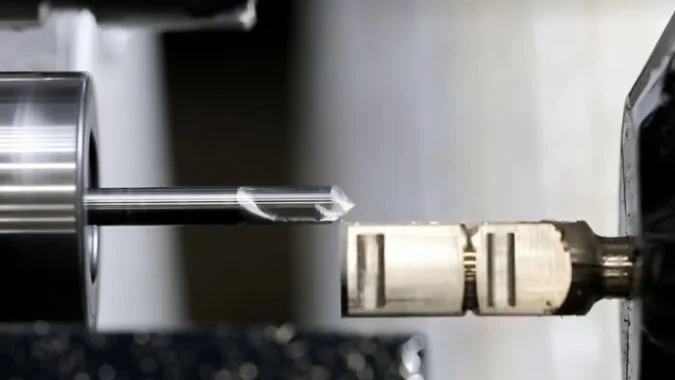
تُنجز مخرطة سويسرية ذات محور B الثقوب المائلة، وفتحات التدوير، والأسنان اللولبية، والأسطح المنحنية، والأسطح المتعددة في تثبيت واحد. فهي تدعم الأجزاء الدقيقة بالقرب من نقطة القطع، وتقلل من أخطاء التثبيت، ويمكنها الحفاظ على تفاوتات الدفعات بما يقرب من ±0.003 مم في ظل ظروف تشغيل آلية معتمدة.
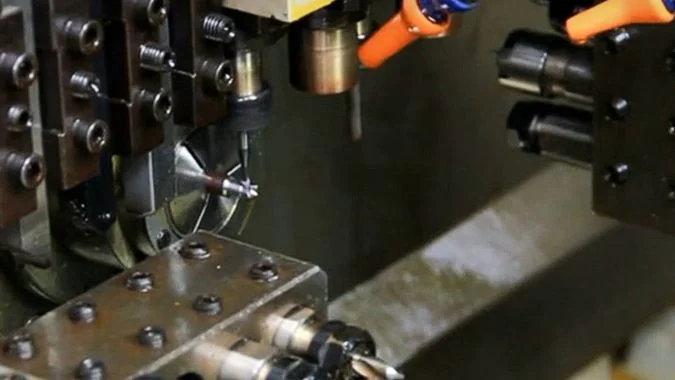
يمكن أن تكون براغي العظام الطبية أقصر من 10 مم وتتضمن ميزات تقترب من مقياس 1 مم.1. حجمها الصغير لا يعني بساطتها. تخلق تجاويف توركس، وثقوب القفل، والأسنان اللولبية المتغيرة، والأقسام الرقيقة ظروف تشغيل آلية متطلبة.2. يضيف المحور B التحكم الزاوي اللازم لدمج هذه العمليات في منصة واحدة. ولهذا التكامل في العمليات تأثير مباشر على الدقة، ووقت الدورة، وجودة السطح، ومناولة الأجزاء.
ما هي وظيفة المحور B في المخرطة من النوع السويسري؟
لا يمكن للخراطة القياسية الوصول بسهولة إلى الميزات الزاوية أو المنحنية. وبدون التحكم الزاوي، يزيد كل تثبيت إضافي من الخطأ، والمناولة، وخطر إتلاف سطح الغرسة النهائي.
يقوم المحور B بتدوير رأس الأداة أو وحدة التشغيل الآلي حول خط مركزي زاوي. وهو يعمل مع محاور X و Y و Z لتحديد موقع أدوات القطع في زوايا مختارة للتفريز، والثقب، والتنصت، والشق، والشطب، وتشغيل الكنتور الآلي.
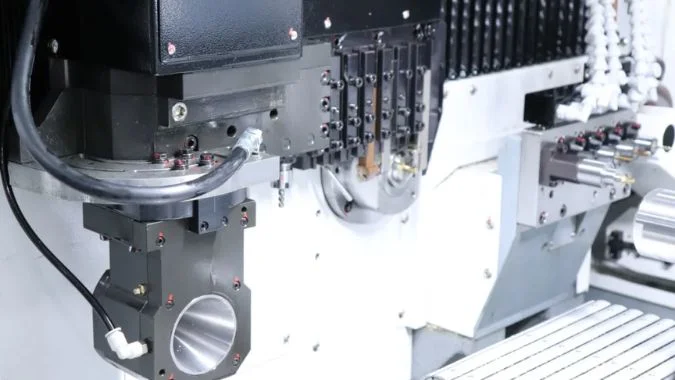
كيف يوسع المحور B من قدرة التشغيل الآلي؟
يحول المحور B المخرطة من النوع السويسري من منصة تعتمد بشكل أساسي على الخراطة إلى مركز تشغيل آلي مرن للخراطة والتفريز. يعتمد نطاق دورانه الدقيق على تصميم الماكينة. توفر بعض الأنظمة نطاقاً مثل 0-95 درجة، بينما قد توفر تكوينات أخرى حوالي ±110 درجة.3. يسمح التحكم المؤازر (سيرفو) للمحور بالفهرسة إلى زاوية محددة أو التحرك مع محاور أخرى يتم التحكم فيها.
تجعل هذه الحركة الميزات غير المحورية قابلة للوصول دون إزالة قطعة العمل. يمكن أن يتلقى برغي طبي ثقباً متقاطعاً مائلاً، وتجويف توركس، وشطبة، وسطحاً مفرزاً خلال دورة واحدة. ويمكن أن يتلقى دعامة الأسنان سطحاً غير منتظم، وميزة قفل سداسية، وثقب توجيه متعدد الزوايا في نفس التثبيت.
كما يدعم جلبة التوجيه المنزلقة القضيب بالقرب من نقطة القطع. هذا الهيكل مفيد عند تشغيل التيتانيوم أو المواد القابلة للتحلل الحيوي بأقطار تتراوح بين 0.5-2 مم تقريباً.4. فهو يقلل من الانحناء والاهتزاز بينما يتحكم المحور B في اتجاه الأداة.5.
| قدرة المحور B | الاستخدام في التصنيع الطبي | فائدة الإنتاج الرئيسية |
|---|---|---|
| الفهرسة الزاوية | الثقوب المائلة وميزات القفل | إعدادات أقل |
| حركة متعددة المحاور | الأسطح المنحنية والفتحات الحلزونية | انتقالات أكثر سلاسة بين الميزات |
| التحكم في زاوية الأداة | الشطف وتشطيب الحواف | تقليل الحاجة إلى إزالة النتوءات يدوياً |
| دمج الخراطة والتفريز | الأسنان اللولبية، والأسطح المستوية، وتجاويف القيادة | الإنجاز بتثبيت واحد |
| اتجاه قطع محسّن | الجدران الرقيقة والميزات الدقيقة | نتوءات أقل وتشوه أقل |
لماذا يعتبر الإنجاز بتثبيت واحد مهماً للغرسات الطبية؟
كل عملية تثبيت جديدة تؤدي إلى نقل مرجع قياس إضافي6. Even a small positioning difference can affect the relationship between a screw thread, drive recess, and locking hole. A B-axis keeps these features tied to the same machining reference.
Repeated handling can also mark a finished surface. It can leave clamp impressions or introduce particles before cleaning and passivation. One-clamping production does not remove the need for a validated cleaning process. It does reduce unnecessary contact and process movement. This reduction is valuable for parts with strict surface integrity and traceability requirements.
The cutting angle can also be adjusted for titanium alloys, cobalt-chromium alloys, stainless steel, and newer biodegradable materials7. A better tool approach can reduce burr formation and residual stress around thin walls. These conditions can support better fatigue performance when the complete manufacturing process is properly controlled.
هل يمكن للمحور B إجراء عمليات على كل من المغزل الرئيسي والمغزل الفرعي؟
Poor spindle coordination can leave one side of a machine waiting. It can also create confusion about whether one B-axis can machine two separate workpieces at once.
A B-axis may be configured to serve the main spindle, the sub-spindle, or both machining zones at different times. However, one physical B-axis normally cannot cut separate parts at both spindles simultaneously. Machine layout and tool-bank access determine its actual reach.
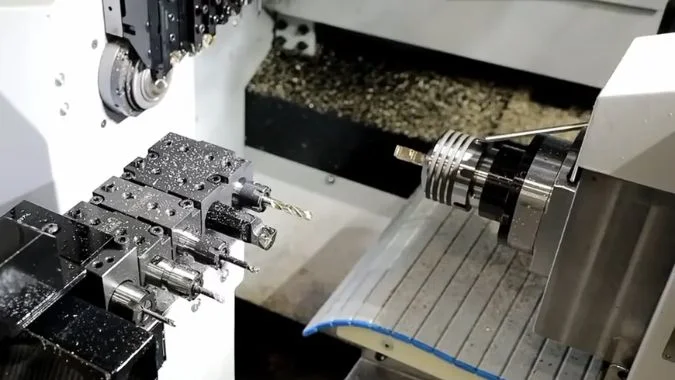
How Do the Main and Sub-Spindles Work Together?
A dual-spindle Swiss-type lathe often uses independent CNC channels. The main spindle performs front-side operations while the sub-spindle receives the part and completes back-side work. After transfer, the main spindle can begin machining the next section of bar while the sub-spindle finishes the previous part. This parallel structure can reduce idle time.
The B-axis is normally mounted on a defined tool bank, gang slide, or independent tool unit. Its physical location controls which spindle it can reach. Some machine designs allow the B-axis tooling to approach both spindle positions. Other designs dedicate it mainly to the main spindle or the sub-spindle. A machine specification must therefore be checked before a process plan is approved.
لا يشغل محور B المفرد سوى موضع تشغيل مادي واحد في كل مرة. قد يقوم بقطع ميزة بزاوية عند المغزل الرئيسي ثم يقوم لاحقًا بتشغيل ميزة على الجانب الخلفي عند المغزل الفرعي. لا يمكنه عادةً إجراء كلا القطعين في نفس اللحظة.
| نشاط الماكينة | المغزل الرئيسي | مغزل فرعي | دور محور B |
|---|---|---|---|
| الخراطة الأمامية | نشط | متاح أو قيد العمل | قد يقوم بفهرسة الأدوات للميزات ذات الزوايا |
| نقل القطعة | المزامنة | المزامنة | عادة ما تكون بعيدة عن منطقة النقل |
| التشطيب الخلفي | يبدأ القطعة التالية | ينهي القطعة السابقة | قد يخدم منطقة المغزل التي يمكن الوصول إليها |
| الإنتاج المتوازي | تشغيل مخزون قضبان جديد | يكمل المكون المنقول | يتعامل مع عملية واحدة قابلة للوصول في كل مرة |
ما هي الأجزاء الطبية التي تستفيد من الإنتاج بمغزل مزدوج؟
غالبًا ما تتطلب براغي تقويم العظام معالجة آلية كاملة على كلا الطرفين. يمكن لعمود الدوران الرئيسي تشكيل مقطع السن الملولب، وتشكيل الرأس، وتفريز تجويف التشغيل. بينما يمكن لعمود الدوران الثانوي الإمساك بالمكون قبل القطع وإتمام الجهة الخلفية، كما يمكنه أيضًا القيام بعمليات الثقب، أو الخراطة الوجهية، أو شطب الحواف، أو إنهاء ميزات الطرف.
تجنب هذه العملية إسقاط جزء دقيق شبه مكتمل في صينية لإعادة تحميله لاحقًا. هذه النقطة مهمة لأن البراغي الصغيرة جدًا يصعب توجيهها وتثبيتها مرة أخرى. كما أن التحميل الثانوي يخلق فرصًا لحدوث خدوش، واختلاط الدفعات، وأخطاء في المرجع.
تعتمد مكاسب وقت الدورة على توازن العمليات. إذا كانت المعالجة الآلية للجانب الخلفي تستغرق وقتًا أطول بكثير من العمل على الجانب الأمامي، فقد يصبح عمود الدوران الثانوي هو المحطة المحددة للسرعة. يجب أن يوزع تخطيط العمليات المهام حيثما أمكن. يمكن أن يؤدي الاستخدام المتزامن للأدوات، وتغييرات مسار الأداة، وبيانات القطع المناسبة إلى تحسين هذا التوازن. في ظل الظروف المناسبة، يمكن للمعالجة الآلية المتكاملة تقليل وقت الدورة بنسبة تزيد عن 30%، بينما قد تحقق بعض الأجزاء مكاسب تتراوح من ثلاثة إلى خمسة أضعاف8 مقارنة بالإنتاج المجزأ متعدد الآلات.
كيف يلغي المحور B الحاجة إلى ملحقات أدوات التشغيل الزاوية المكلفة؟
تزيد الأدوات الحية الزاوية المخصصة من التكلفة، وتشغل أماكن الأدوات، وقد لا توفر سرعة دوران عمود الدوران المطلوبة للميزات الدقيقة. كما أنها تزيد من متطلبات الصيانة والإعداد.
يقلل المحور B من الاعتماد على ملحقات الأدوات الحية الزاوية عن طريق تدوير أداة قياسية أو عمود دوران خارجي عالي التردد إلى زاوية القطع المطلوبة. لا يلغي هذا المحور الحاجة إلى كل الأدوات الحية، لكنه يمكن أن يستبدل العديد من العمليات ذات الزاوية الثابتة بإعداد أبسط وأقل تكلفة.
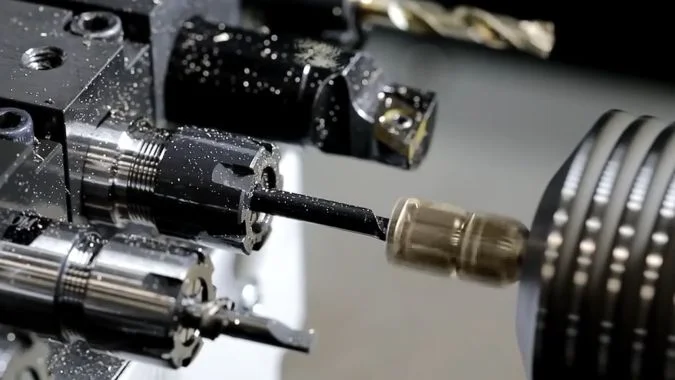
ما هي طريقة الاستبدال العملية؟
الفكرة الرئيسية بسيطة. يوفر المحور B تحديد الموقع الزاوي، بينما يوفر عمود دوران ثابت عالي السرعة دوران الأداة. لا يحتاج عمود الدوران إلى آلية زاوية خاصة به تعمل بمحرك مؤازر لأن محور الآلة يحدد زاوية الاقتراب.
يمكن لحامل التوسيع حمل عمود دوران تفريز مستقل عالي التردد. قد يعمل عمود الدوران النموذجي للمعالجة الدقيقة بسرعات تتراوح بين 30,000 إلى 80,000 دورة في الدقيقة ويكون لديه تفاوت في الدوران يبلغ 1 ميكرومتر أو أقل9. نطاق السرعة هذا مفيد للقواطع الصغيرة المستخدمة في شقوق توركس (Torx)، والثقوب الزاوية، والحزوز الضيقة، والكونتور الدقيق.
يقوم برنامج التحكم الرقمي بالحاسوب (CNC) بفهرسة المحور B، وبدء تشغيل عمود الدوران الخارجي، وتنسيق الحركة مع المحاور الخطية. يمكن لهذا الترتيب تقليل تغييرات الأدوات والتعديلات اليدوية للزاوية. كما يمكنه تحرير أماكن أدوات أخرى عندما يغطي عمود دوران واحد عدة اتجاهات زاوية.
| التكوين | التحكم الزاوي | السرعة النموذجية | أفضل استخدام |
|---|---|---|---|
| أداة حية ثابتة | ثابتة بواسطة هندسة الحامل | منخفضة إلى متوسطة | ميزات متكررة بزاوية واحدة |
| أداة حية ذات زاوية مؤازرة | مدمجة في ملحق الأداة | متغير | تشغيل مرن وعالي القيمة |
| محور B مع عمود دوران قياسي | يتم توفيره بواسطة محور الماكينة | متوسط إلى مرتفع | تشغيل عام متعدد الزوايا |
| محور B مع عمود دوران عالي التردد | يتم توفيره بواسطة محور الماكينة | 30,000–80,000 دورة في الدقيقة | الثقوب الدقيقة، والشقوق، والخطوط الدقيقة |
متى تظل الأداة المائلة الحية ضرورية؟
تم تصميم المغزل عالي التردد بشكل أساسي للقطع الخفيف. قد لا يوفر محركه الصغير وواجهة الأداة عزم دوران كافٍ للتشغيل الخشن الثقيل، أو الثقوب الكبيرة، أو الشقوق العميقة. كما أن نتوءه الممتد يمكن أن يقلل من الصلابة. تصبح هذه الحدود أكثر أهمية عند التعامل مع المواد الصلبة وأعماق القطع الكبيرة.
تظل أداة الطاقة المدمجة ذات المحور B مفيدة عندما تتطلب العملية عزم دوران عالٍ وحركة مستمرة متعددة المحاور. قد تتطلب عمليات الطحن الحلزوني المعقدة، وإزالة المواد العميقة، وتشكيل الأسطح المنحنية الصعبة ترتيب أدوات مدفوعة أكثر صلابة. يجب مراعاة هيكل الماكينة، وتصميم محمل المغزل، وطول الحامل، وقوة القطع.
لذلك، يجب التعامل مع المحور B كوسيلة لتقليل الاعتماد على الحوامل الزاوية المكلفة، وليس كبديل فيزيائي شامل. بالنسبة للثقوب الزاوية المفهرسة، والشقوق الضحلة، والطحن متعدد الأوجه، والعديد من الميزات الطبية الدقيقة، قد يوفر المغزل القياسي أو عالي التردد حلاً أقل تكلفة. أما بالنسبة للقطع الثقيل، فقد تظل الملحقات الأكثر صلابة ضرورية.
ما مستوى الدقة الذي يمكن أن تحققه المخرطة من النوع السويسري باستخدام وظيفة المحور B؟
يمكن أن تكون المواصفات على مستوى الميكرون مضللة دون وجود أدوات مستقرة وتحكم في درجة الحرارة. لا يمكن لمواصفات الماكينة وحدها أن تضمن التفاوت النهائي لغرسة طبية.
يمكن لمخرطة سويسري ذات محور B قادر أن توفر تحديد موقع خطي يقارب 0.003 مم وتكرارية تقارب 0.001 مم. قد تصل فهرسة المحور B إلى 0.001 درجة، بينما تقع تفاوتات الأجزاء المعتمدة عادةً ضمن ±0.005 مم ويمكن أن تقترب من ±0.002–0.003 مم للأجزاء الدقيقة المناسبة.
ما هي مؤشرات الدقة الأكثر أهمية؟
تصف دقة تحديد الموقع مدى قرب وصول المحور إلى الموقع المطلوب. تصف دقة تحديد الموقع التكراري مدى ثبات عودته إلى ذلك الموقع. كلا الرقمين مهمان، لكن لا يساوي أي منهما دقة الجزء النهائي. تعتمد النتيجة النهائية أيضًا على محاذاة جلبة التوجيه، وجودة القضيب، ونفاد المغزل، وقوة القطع، وتآكل الأداة، وحالة سائل التبريد، والاستقرار الحراري.
يؤدي خطأ زاوية المحور B أيضًا إلى حدوث خطأ خطي أكبر كلما ابتعدت نقطة القطع عن مركز المحور. لذلك يجب التحكم في بروز الأداة. تدعم مجموعة الأدوات القصيرة والصلبة تحديد موقع أفضل للميزات وجودة سطح أفضل.
| مؤشر الدقة | القيمة النموذجية عالية الأداء | المعنى العملي |
|---|---|---|
| تحديد موقع المحور الخطي | حوالي 0.003 مم | القدرة على الوصول إلى موقع مبرمج |
| تكرارية المحور الخطي | حوالي 0.001 مم | القدرة على تكرار نفس الحركة |
| دقة فهرسة المحور B | حوالي 0.001 درجة | تحديد الموقع الزاوي لوحدة الأداة |
| تكرارية المحور B | حوالي ±0.0005° إلى ±0.001° | الاتساق عبر عمليات الفهرسة المتكررة |
| تفاوت ثابت للدفعة الإنتاجية | حوالي ±0.005 مم | هدف إنتاجي شائع تحت التحكم |
| تفاوت عالي الدقة للأجزاء الدقيقة | حوالي ±0.002–0.003 مم | ممكن باستخدام عملية كفؤة ومُعتمدة |
كيف يمكن الحفاظ على ±0.003 مم في الإنتاج؟
يتطلب التشغيل الآلي المستقر على مستوى الميكرون أكثر من مجرد شراء آلة بمواصفات مناسبة. يجب أن يتمتع القضيب بقطر واستقامة وحالة مادية مضبوطة. يجب أن يتناسب جلبة التوجيه مع القضيب وتوفر الدعم دون احتكاك مفرط. يجب أن تتمتع أدوات القطع بحد أدنى من الانحراف وتآكل يمكن التنبؤ به.
تؤثر درجة الحرارة أيضاً على النتائج. يقلل إحماء الآلة، والتحكم في سائل التبريد، ودرجة حرارة الورشة من الحركة الحرارية. يجب أن تستند حدود عمر الأداة إلى الانحراف المقاس للميزة بدلاً من الفشل المرئي للأداة. يمكن لعملية القياس أثناء التشغيل أو الفحص المنتظم اكتشاف الحركة قبل أن تتجاوز الدفعة حدود التفاوت.
يجب على الشركات المصنعة للمعدات الطبية أيضاً التحقق من التحكم في النتوءات، والتنظيف، والتشطيب السطحي، وإمكانية التتبع.10. الدقة الأبعاد وحدها لا تثبت أن الزرعة مقبولة. يجب أن تتضمن العملية طرق فحص مناسبة، ومعدات معايرة، ومناولة مضبوطة، وفحوصات جودة موثقة.
الخاتمة
تجمع مخرطة سويسري ذات محور B بين التشغيل الزاوي، ودعم جلبة التوجيه، والإنتاج ثنائي المغزل، والإنجاز في تثبيت واحد لإنتاج زرعات طبية معقدة بدقة عالية واتساق ومخاطر مناولة أقل.
-
"الأدوات والمعدات التقويمية للمبتدئين. الجزء 2"،, https://pmc.ncbi.nlm.nih.gov/articles/PMC3215475/. توثق أدبيات الزرعات التقويمية أن مسامير العظام ذات الشظايا الصغيرة والشظايا الدقيقة تتراوح أقطارها تقريباً من 1.5 مم إلى 4.0 مم، بأطوال إجمالية تتراوح عادةً بين 4 مم و30 مم، مما يتطلب دقة دون مليمترية في ملفات تعريف اللولب، وتجاويف القيادة، وميزات القفل. دور الأدلة: دعم عام؛ نوع المصدر: تعليمي. يدعم: النطاقات الأبعاد لمسامير العظام الطبية الصغيرة المستخدمة في التطبيقات التقويمية. ↩
-
"6 تحديات للتشغيل الآلي الدقيق تم حلها باستخدام التصنيع الذكي (DFM)"،, https://www.phi2.com/blog/6-precision-machining-challenges-solved-with-smart-dfm/. تشير أبحاث التصنيع إلى أن الميزات صغيرة الحجم مثل تجاويف القيادة، والثقوب المتقاطعة، وأشكال اللولب المتغيرة في الزرعات الطبية تفرض تحديات تشمل قيود الوصول للأداة، وتكوين النتوءات، والتباين الأبعادي الناتج عن قوى القطع، وصعوبة الحفاظ على سلامة السطح عبر أنواع ميزات متعددة في قطعة عمل واحدة. دور الأدلة: آلية؛ نوع المصدر: بحثي. يدعم: التحديات التقنية المرتبطة بتشغيل الميزات الدقيقة المعقدة في الزرعات الطبية. ↩
-
"مخرطة أوتوماتيكية من النوع السويسري | ماكينات CNC نيويورك"،, https://starcnc.com/products/. تُظهر معايير صناعة الأدوات الآلية أن تكوينات المحور الدوار (B-axis) تتراوح عادةً من أنظمة الفهرسة المحدودة (±30 درجة إلى ±45 درجة) إلى التصاميم القادرة على الدوران الكامل، حيث توفر تطبيقات التشغيل المستمر عادةً نطاق حركة زاوية يتراوح بين ±90 درجة إلى ±120 درجة اعتمادًا على بنية الماكينة ومتطلبات تجنب التصادم. دور الدليل: إحصائية؛ نوع المصدر: مؤسسة. يدعم: نطاقات الحركة الزاوية النموذجية للمحاور الدوارة في ماكينات التحكم الرقمي بالحاسوب (CNC) عالية الدقة. ملاحظة النطاق: يختلف النطاق الفعلي بشكل كبير حسب الشركة المصنعة وطراز الماكينة. ↩
-
"قمع الاهتزاز باستخدام التحكم في تشكيل المدخلات في ..."،, https://pmc.ncbi.nlm.nih.gov/articles/PMC8951330/. تُظهر أبحاث ميكانيكا التشغيل الآلي أن دعم جلبة التوجيه (guide bushing) الموضوعة بالقرب من منطقة القطع يقلل بشكل كبير من انحراف قطعة العمل والاهتزاز، وهو أمر مهم بشكل خاص للأجزاء النحيلة ذات نسب الطول إلى القطر التي تتجاوز 3:1، حيث يمكن أن يؤدي القطع بدون دعم إلى أخطاء في الأبعاد، وارتجاف (chatter)، وجودة سطح رديئة. دور الدليل: آلية؛ نوع المصدر: بحث. يدعم: المبدأ الميكانيكي لدعم جلبة التوجيه في تقليل انحراف قطعة العمل أثناء التشغيل الآلي للأقطار الصغيرة. ↩
-
"الانحراف والدقة في تصنيع المعادن باستخدام CNC السويسري"،, https://metalcutting.com/knowledge-center/deflection-precision-cnc-swiss-machining/. تُظهر أبحاث ديناميكيات الأدوات الآلية أن هياكل الدعم الموضوعة بالقرب من منطقة القطع تقلل من الطول الفعال غير المدعوم لقطع العمل النحيلة، مما يزيد من التردد الطبيعي وصلابة نظام قطعة العمل والماكينة، وهو ما يقلل بشكل كبير من الانحراف تحت قوى القطع ويقمع اهتزاز الارتجاف التجديدي. دور الدليل: آلية؛ نوع المصدر: بحث. يدعم: المبدأ الميكانيكي الذي يقلل به دعم جلبة التوجيه من الانحراف والاهتزاز في قطع العمل النحيلة. ↩
-
"المرجع (Datum) في التفاوتات والأبعاد الهندسية (GD&T): التعريف، الميزات، والأنواع ..."،, https://www.xometry.com/resources/machining/datum-in-gd-t/. تُثبت مبادئ هندسة التصنيع أن كل إعادة تموضع لقطعة العمل تُدخل أخطاء محتملة في مرجع التحديد (datum reference) بسبب تفاوتات التثبيت، واختلافات التثبيت، وعدم اليقين في المحاذاة، حيث يصبح تراكم الخطأ ذا أهمية خاصة في التطبيقات ذات التفاوتات الضيقة حيث يجب الحفاظ على علاقات الميزات ضمن نطاق الميكرونات. دور الدليل: آلية؛ نوع المصدر: تعليم. يدعم: مبدأ نقل المرجع وتراكم الخطأ في التصنيع متعدد الإعدادات. ↩
-
"سلامة المعادن والمواد الأخرى المستخدمة في الطبي ..."،, https://www.fda.gov/medical-devices/products-and-medical-procedures/safety-metals-and-other-materials-used-medical-devices. تحدد أدبيات علوم مواد الأجهزة الطبية سبائك التيتانيوم (خاصة Ti-6Al-4V)، وسبائك الكوبالت والكروم، والفولاذ المقاوم للصدأ (316L)، والبوليمرات القابلة للتحلل الحيوي وسبائك المغنيسيوم كفئات مواد رئيسية للغرسات العظمية والأسنان، ويتم اختيارها بناءً على التوافق الحيوي، والخصائص الميكانيكية، ومقاومة التآكل، والتطبيقات السريرية المحددة. دور الدليل: دعم عام؛ نوع المصدر: تعليم. يدعم: فئات المواد الشائعة المستخدمة في تصنيع الغرسات الطبية. ↩
-
"الجدولة الفعالة لتقليل أوقات الإعداد وزيادة ..."،, https://dspace.mit.edu/entities/publication/76066a30-586f-4948-9df9-9c7499a3e196. تشير دراسات كفاءة التصنيع إلى أن دمج العمليات متعددة الإعدادات في عمليات ذات إعداد واحد يحقق عادةً تخفيضات في وقت الدورة بنسبة 20-40%، مع ملاحظة تحسينات أكبر (مكاسب إنتاجية تتراوح بين 2-5 أضعاف) في الحالات التي يشكل فيها التعامل مع الأجزاء، وتعقيد التثبيت، ووقت الإعداد أجزاءً كبيرة من دورة الإنتاج الأصلية. دور الدليل: إحصائية؛ نوع المصدر: بحث. يدعم: مكاسب الإنتاجية من تقليل عمليات الإعداد في التصنيع الدقيق. ملاحظة النطاق: تعتمد المكاسب الفعلية بشكل كبير على تعقيد الجزء، وتصميم العملية الأصلي، وتوازن التشغيل. ↩
-
"(PDF) مغزل فائق السرعة لعمليات الطحن الدقيق, https://www.academia.edu/20318396/An_Ultra_high_Speed_Spindle_for_Micro_milling. توثق أدبيات التصنيع الدقيق أن المغازل الآلية عالية التردد المصممة لعمليات التصنيع الدقيق تعمل عادةً في نطاق 30,000–100,000 دورة في الدقيقة، حيث تحقق الوحدات ذات الدرجة الدقيقة تفاوتًا محوريًا وشعاعيًا أقل من 1–2 ميكرومتر من خلال أنظمة محامل دقيقة وتجميعات دوارة متوازنة. دور الدليل: إحصائي؛ نوع المصدر: بحث. يدعم: مواصفات أداء المغازل عالية التردد المستخدمة في تطبيقات التصنيع الدقيق. ↩
-
"التحقق من صحة العمليات: المبادئ والممارسات العامة, https://www.fda.gov/files/drugs/published/Process-Validation–General-Principles-and-Practices.pdf. تتطلب لوائح الأجهزة الطبية، بما في ذلك لائحة نظام الجودة الخاصة بإدارة الغذاء والدواء (21 CFR 820) ومعيار ISO 13485، من الشركات المصنعة التحقق من صحة عمليات التصنيع من خلال أدلة موثقة تثبت أن الإجراءات تنتج باستمرار أجهزة تلبي المواصفات المحددة مسبقًا، بما في ذلك الدقة الأبعاد، وخصائص السطح، والنظافة، والتتبع الكامل طوال فترة الإنتاج. دور الدليل: إجماع الخبراء؛ نوع المصدر: حكومي. يدعم: المتطلبات التنظيمية للتحقق من صحة العمليات في تصنيع الأجهزة الطبية. ↩

كريس لو
بالاستفادة من أكثر من عشر سنوات من الخبرة العملية في مجال صناعة أدوات الماكينات، خاصةً مع ماكينات بنظام التحكم الرقمي، أنا هنا لمساعدتك. سواءً كانت لديك أسئلة أثارها هذا المنشور، أو كنت بحاجة إلى إرشادات بشأن اختيار المعدات المناسبة (ماكينة بنظام التحكم الرقمي أو تقليدية)، أو كنت تستكشف حلولاً مخصصة للماكينات، أو كنت مستعدًا لمناقشة عملية شراء، فلا تتردد في الاتصال بي. دعنا نعثر على الأداة الآلية المثالية لاحتياجاتك.