
Blog
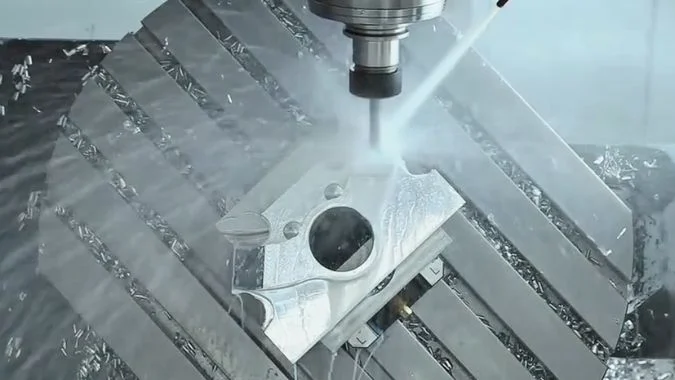
How to Choose the Right Cutting Fluid for a 5-Axis Machining Center?
High speeds, changing tool angles, and long coolant circuits place cutting fluids under severe stress. A poor match can cause corrosion, tool wear, foam, and downtime. The right cutting fluid...
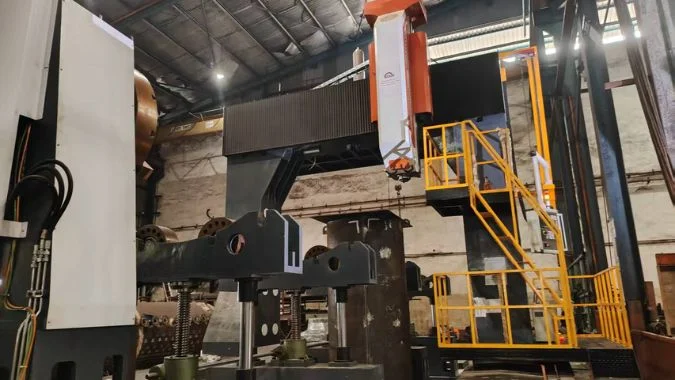
What Are the Advantages of a CNC Gantry Drilling Machine Over Traditional Drilling Machines?
Manual drilling of large workpieces takes time and depends heavily on operator skill. Small positioning mistakes can quickly cause scrap, delays, and added costs. A CNC gantry drilling machine offers...
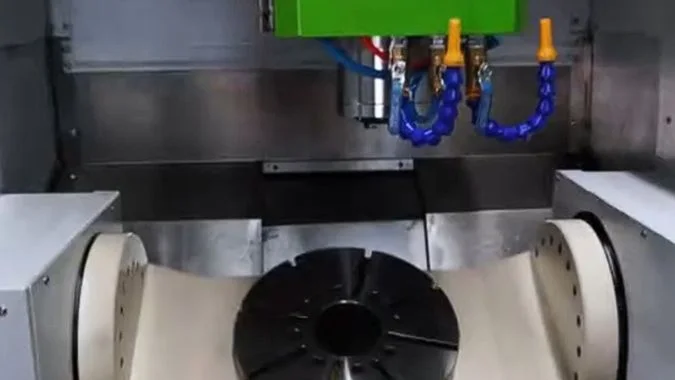
What Is the Meaning of “Fake Five-Axis” Achieved by 3+2 Axis CNC Milling Machines?
A five-axis label can create false expectations. Without understanding the actual motion mode, manufacturers may select equipment that cannot machine the required surfaces. “Fake five-axis” commonly describes 3+2 positioning machining....
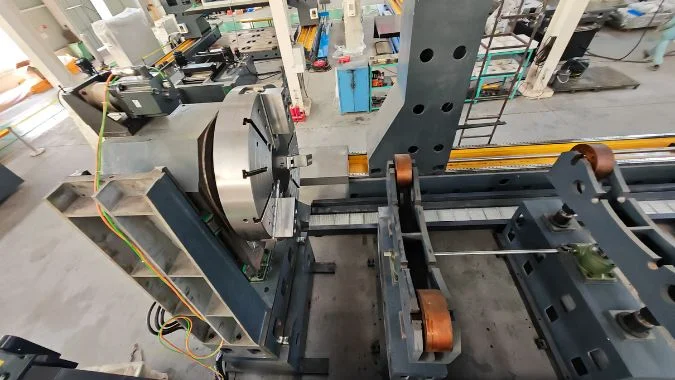
What Is a CNC Drum Drilling Machine?
Large boiler drums can contain hundreds of tube holes1. Manual marking and drilling can cause positioning errors, long production cycles, and serious assembly problems. A CNC drum drilling machine is...
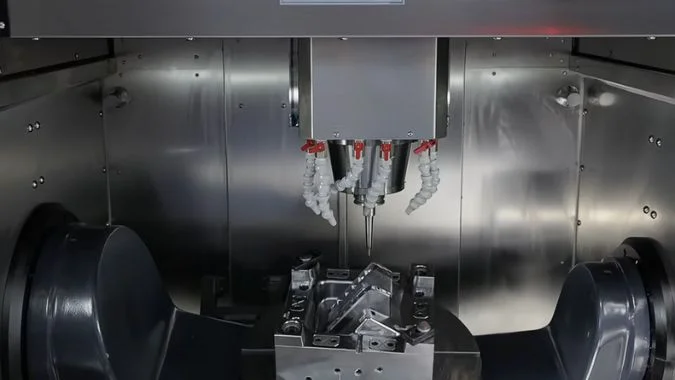
What Are the Advantages of a Five-Axis Machining Center Compared to a Four-Axis One?
Complex parts create clamping errors, tool interference, poor finish, and long cycle time. A wrong machine choice can turn one job into many risky steps. A five-axis machining center adds...
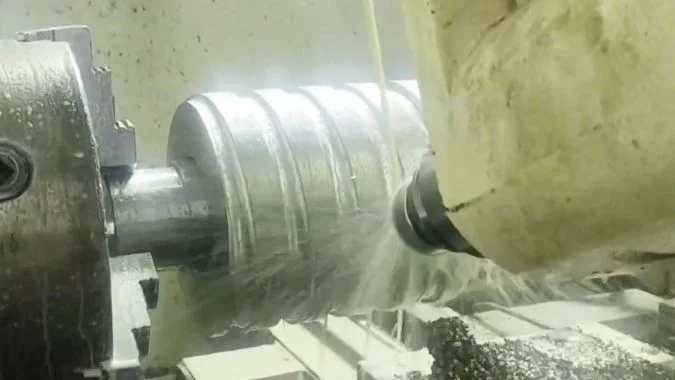
How to Choose Between External and Internal Whirling Machine?
Choosing the wrong whirling method can cause poor accuracy, unstable cutting, wasted cost, and delayed delivery. The key is matching the machine to the screw. Internal whirling is better for...
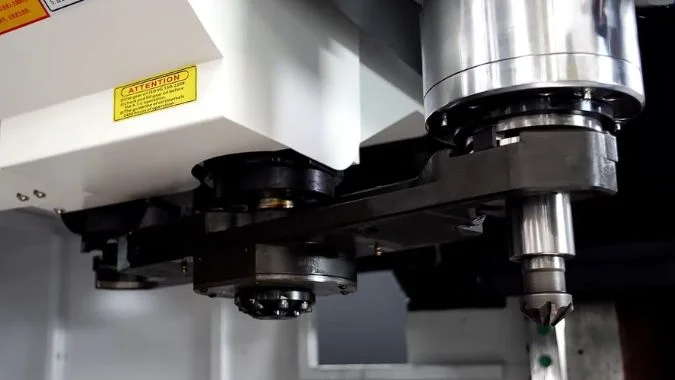
What Are the Risks of Running a Machining Center with a Damaged Spindle?
A damaged spindle does not fail quietly for long. It can ruin accuracy, destroy tools, damage the machine, and create serious safety risks. Running a machining center with a damaged...
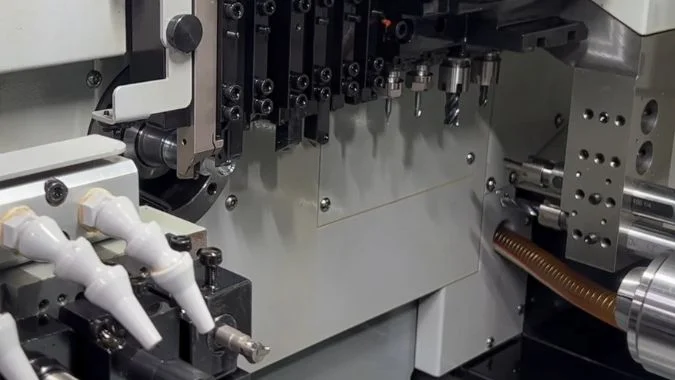
What Are the Characteristics of a Dual-Spindle Swiss-Type Lathe?
Small shaft parts often expose the limits of ordinary turning. Long overhang, repeated clamping, and slow transfer can cause error, scrap, and unstable output. A dual-spindle Swiss-type lathe uses a...
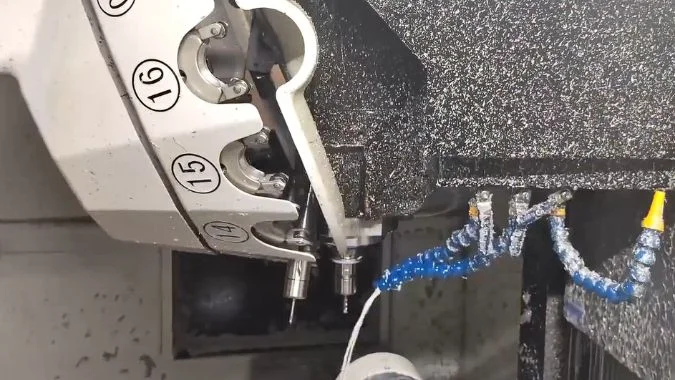
What Happens If a Tool Is Loaded Incorrectly on a Tapping Center?
A small loading error can become a serious machining fault. Poor clamping, wrong length, or dirty contact surfaces may damage parts, tools, and the spindle. If a tool is loaded...